
The Art of Going Somewhere by Water
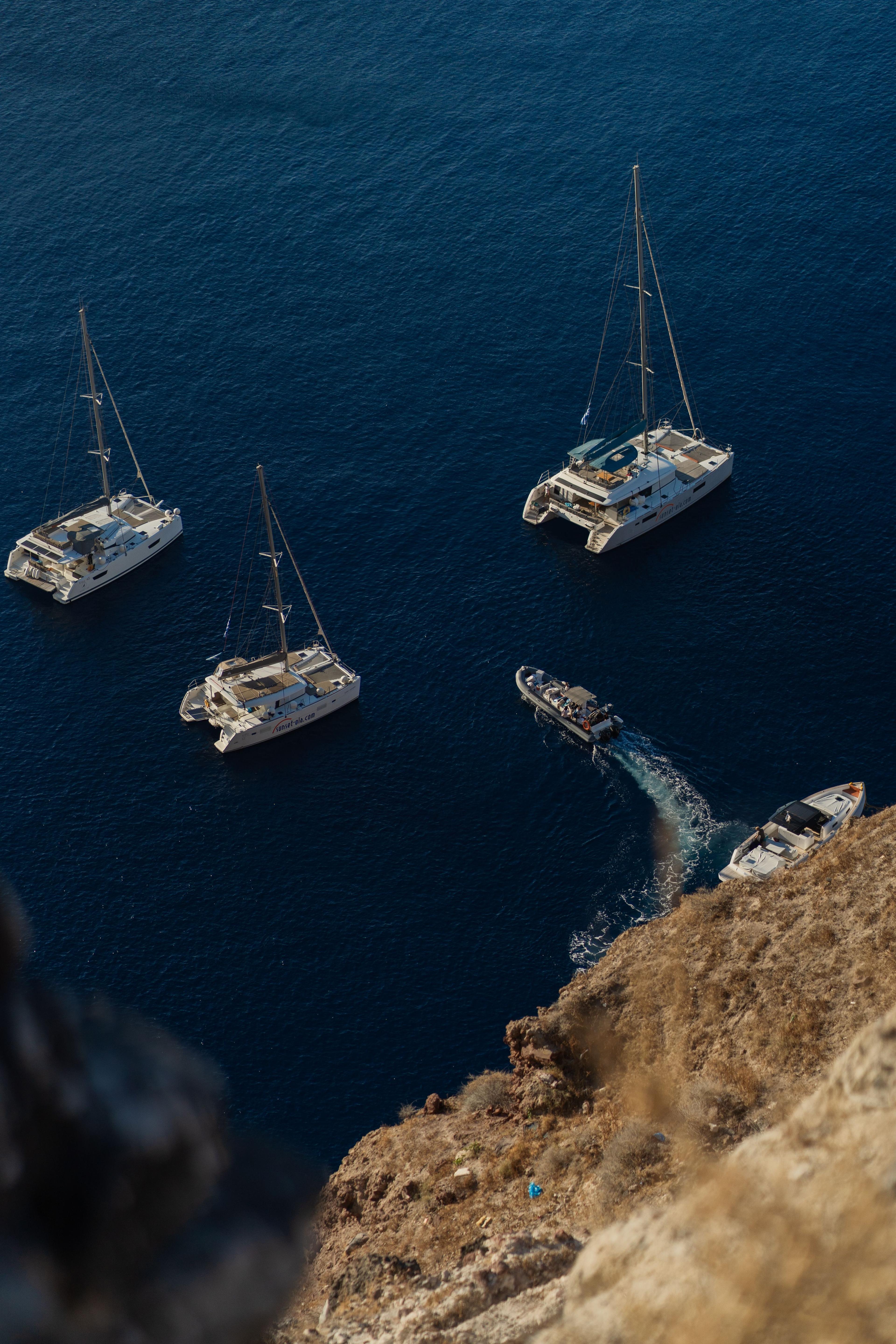
A boat changes what getting there means. On land, the journey is the part you put up with. On the water it is often the thing you booked: the hour it takes to reach a bay, the harbour you come into at the end of the afternoon, a day shaped by where you are heading and how fast you can go. That is why choosing a private charter is less like choosing a car and more like choosing a day. How that day feels is the subject of The Pleasure of Going Nowhere in Particular. This piece is about the decisions that come before it.
A good day on the water is not measured by the size of the boat or by how much has been arranged. It is measured by how well the vessel, the route, the company and the pace belong together. Decide the day first and the boat will follow. Several of the usual worries, about size, price and which website to use, shrink to their proper proportions.
Start with the day you want
Different occasions ask different things of a charter, and it helps to name yours before you look at a single listing.
An afternoon of swimming needs little distance and plenty of unhurried time at anchor. A celebration is mostly about the people: how many, how comfortable, and what is being eaten and by whom. A lunch ashore turns the day into a journey with a destination and a table that expects you at a certain time. Exploring a coastline is about distance, and travelling between harbours or islands makes the plan depend on where you can tie up that night. A longer holiday aboard turns the boat into somewhere to live.
Each of these sets three numbers before it sets a boat: how many people, how long, and how far. Write those down first.
Choose the boat for the day
Once you know the day, the choice of vessel becomes practical. A sailing yacht is slower, and for some people that pace is the point. A motorboat covers more ground in a short time, which matters if the bay you want is a long way from the harbour. A catamaran is often chosen for its deck space and steadier motion, though layouts differ widely. None of these is a step up from the others, and no category guarantees a particular standard of comfort. Look at the layout of the individual boat: where people sit, where there is shade, how you get on and off, and where you can swim from.
A stated passenger limit is a maximum, not a recommendation. The formats of charter, and what each asks of you, are set out in How to Choose the Right Yacht Charter for Your Day on the Water. The question of who steers, whether you, a skipper or a crew, is explored in A Few Days Between Harbours. Here, the useful test is simpler: does this boat suit the route you have in mind?
How long to book, and where that takes you
The length of a charter and the length of a journey are different things, and the mistake is to plan the second without checking it against the first.
Work backwards from the part of the day you care about. If the point is a swim and a long lunch in a particular bay, count the time to reach it and the time to come back, and see what is left. Suppose, purely as an illustration, that the bay is an hour each way at the boat's cruising pace. On a four-hour charter, that leaves two hours at anchor, and less if the wind is against you. A shorter route, or a longer booking, may suit the day better than squeezing the original plan in.
No universal times are given here, because there are none. Speed, distance, sea conditions and the pace you want all change them, and the sensible way to find out is to ask. Describe the day you want to the operator or skipper and ask what is realistic, where you could stop, and how the route would change if conditions did. Ask, too, when the booked time starts and finishes, and whether it includes boarding, returning and refuelling.
If the plan involves arriving somewhere by boat, the harbour matters as much as the water. The Little Harbour is about what a harbour asks of the boat that comes into it, which is worth knowing before you promise yourself dinner in one.
The full cost, not the headline
The price you first see is rarely the whole price, and the difference is not consistent. Published arrangements vary between platforms and between operators, so what follows is a picture of the range and not a rule.
Some marketplaces show a price that already includes their own fees and leave other items to be settled separately. Click&Boat, for example, says the price displayed covers the boat rental, its commission and its service fees. Unless a listing says otherwise, it adds that the skipper is not included, and nor are fuel and cleaning, which are paid to the owner at the harbour on the first day. On Boatsetter, a US marketplace, a non-refundable service fee is applied to the listed price, extra payments such as fuel and deposits carry a processing fee, and a security deposit of at least US$500 is held on a card until after the trip. Getmyboat describes itself as a venue and not a party to the rental agreement, charges its own service fee on top of the rental price, and says renters may sign a separate agreement or waiver with the owner that adds restrictions.
Operators vary just as widely. The Moorings, which charters in the Caribbean and the Mediterranean among other places, lists food and drink, a skipper, marina and mooring fees, and fuel on bareboat and power charters among the things not included, and gives some Mediterranean charters the option to prepay fuel. On its crewed charters, by contrast, the captain and chef, meals and drinks (with some exceptions) and fuel are included, while gratuity, marina fees beyond those included, and flights are not.
The same day can therefore be priced very differently depending on what it already covers. Write down what your day actually needs: a skipper, fuel for your route, food and drink, a berth if you are staying overnight, entry or park fees, a gratuity. Then check which of those each quote includes. Do not assume that any item applies, or does not, to every booking. A cheaper boat that leaves everything out may cost more than a dearer one that leaves nothing out. A dearer one may simply be paying for things you will not use.
What to ask before you book
A short list does most of the work. Ask for the answers in writing.
- How many people can the boat carry, and how many does it carry comfortably?
- Who will run the boat, and is a skipper or crew included in the price?
- Where does the trip start and finish, and are they the same place?
- What is the proposed route and timing, and who decides if it changes?
- What does the price include: fuel, food, drinks, equipment, towels, taxes?
- Are there fees or charges that are paid separately, on the day or at the dock?
- What are the weather and cancellation terms for this particular listing?
- Are there local requirements or restrictions, such as park fees, permits, or rules on swimming, music or alcohol?
None of these is bureaucratic. Each one removes a small surprise from a day that should have none.
Leave room for the day to change
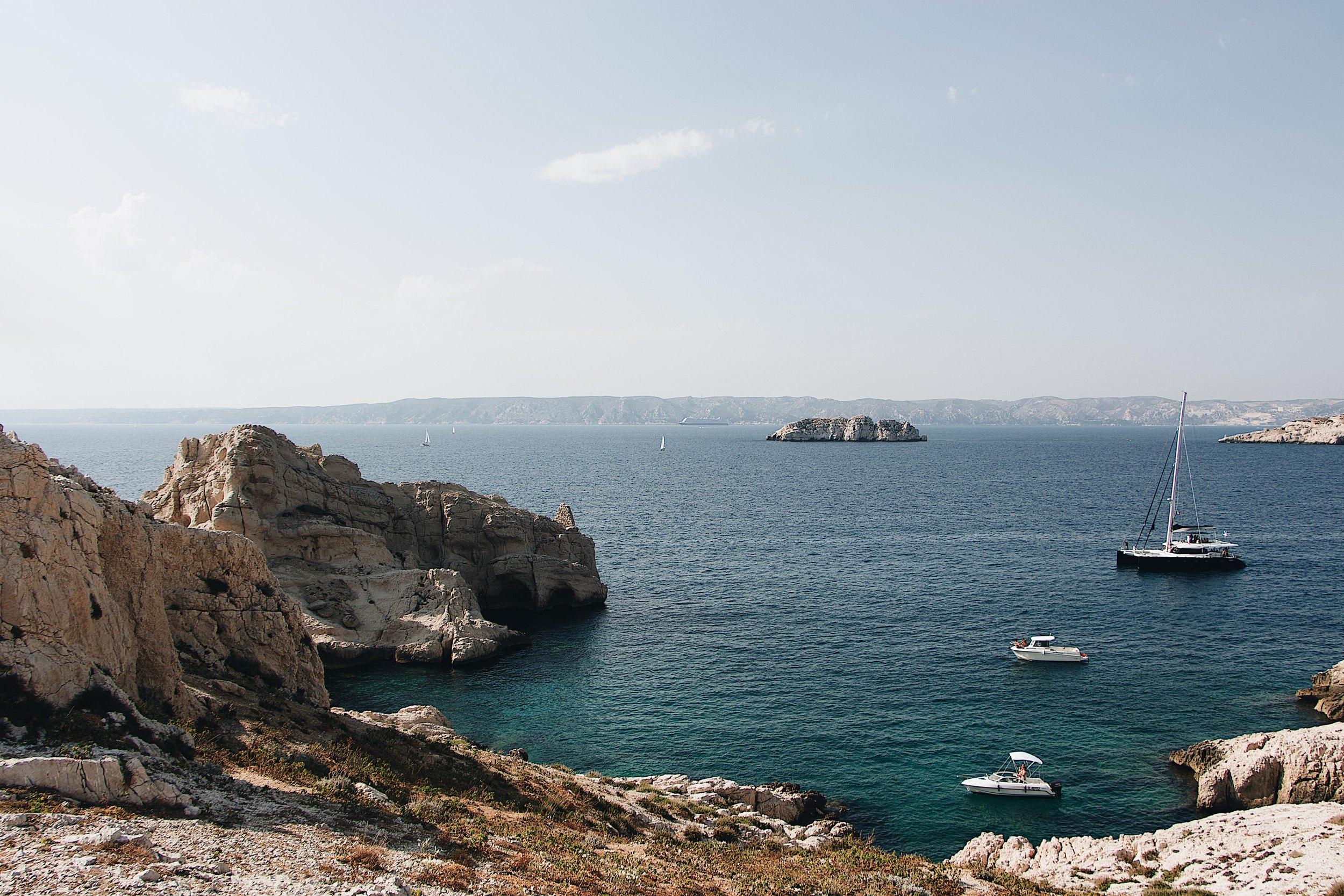
Plans made on the water are provisional, because the water decides some of them. A day with room in it is nearly always better than one that depends on every hour going to plan.
It also pays to read the weather terms before paying and not after. On the platforms read for this piece, the decision to cancel or delay for weather generally rests with the captain or owner, and cancellation terms are set listing by listing. Getmyboat says each listing carries its own policy, chosen by the owner. Boatsetter offers flexible, moderate and strict policies, and applies the strict one to charters outside the United States unless a listing says otherwise. Getmyboat's terms also say that if you cancel because you are worried about the forecast and the captain thinks the trip is safe, the standard cancellation terms apply and a refund is not guaranteed. Those are those platforms' own terms, and another operator's will differ, so ask what happens, in writing, before you pay.
Build some slack into the plan. Choose a route with a shorter alternative or a sheltered anchorage, and keep the first day of a longer trip loose. The Royal Yachting Association advises checking the forecast before you go and getting regular updates if you will be out for any length of time, and making sure the tides and currents fit what you are planning. The skipper will know the local conditions better than any guide, and a good one will tell you honestly what the day is likely to allow.
Where to look next
When you start comparing real boats, line them up against the same few things: the day you want, the route and the time it needs, who is running the boat, what the price includes, and how the weather and cancellation terms work. Explore boats for a day on the water. (opens in a new tab) Sailo is one marketplace where you can browse by destination, type of boat and trip length, with or without a captain. It is worth comparing what you find there against the questions above, and against the operators and platforms you trust.
The day you chose
The best charter is not necessarily the largest boat, the longest booking or the most elaborate arrangement. It is the one whose vessel, duration, route and price fit the day you actually wanted. A boat is only ever a way of going somewhere. The art is knowing, before you book, where you mean to go, and how slowly you would like to get there.
Keep this one
Save it to Pinterest.
Share this story
The Twenty Acres Club
An archive of things worth noticing. Receive our private seasonal notes on the wardrobe, the house, travel and the small details that make a life its own.