
The Riding Club
A world around horses, and why we go back.
Dressage, jumping, trails, a working paddock, a borrowed pony at the end of a lane. The ways in are many and the discipline matters less than it seems. This is a Club about the horse, and what it gives to the person who keeps turning up.
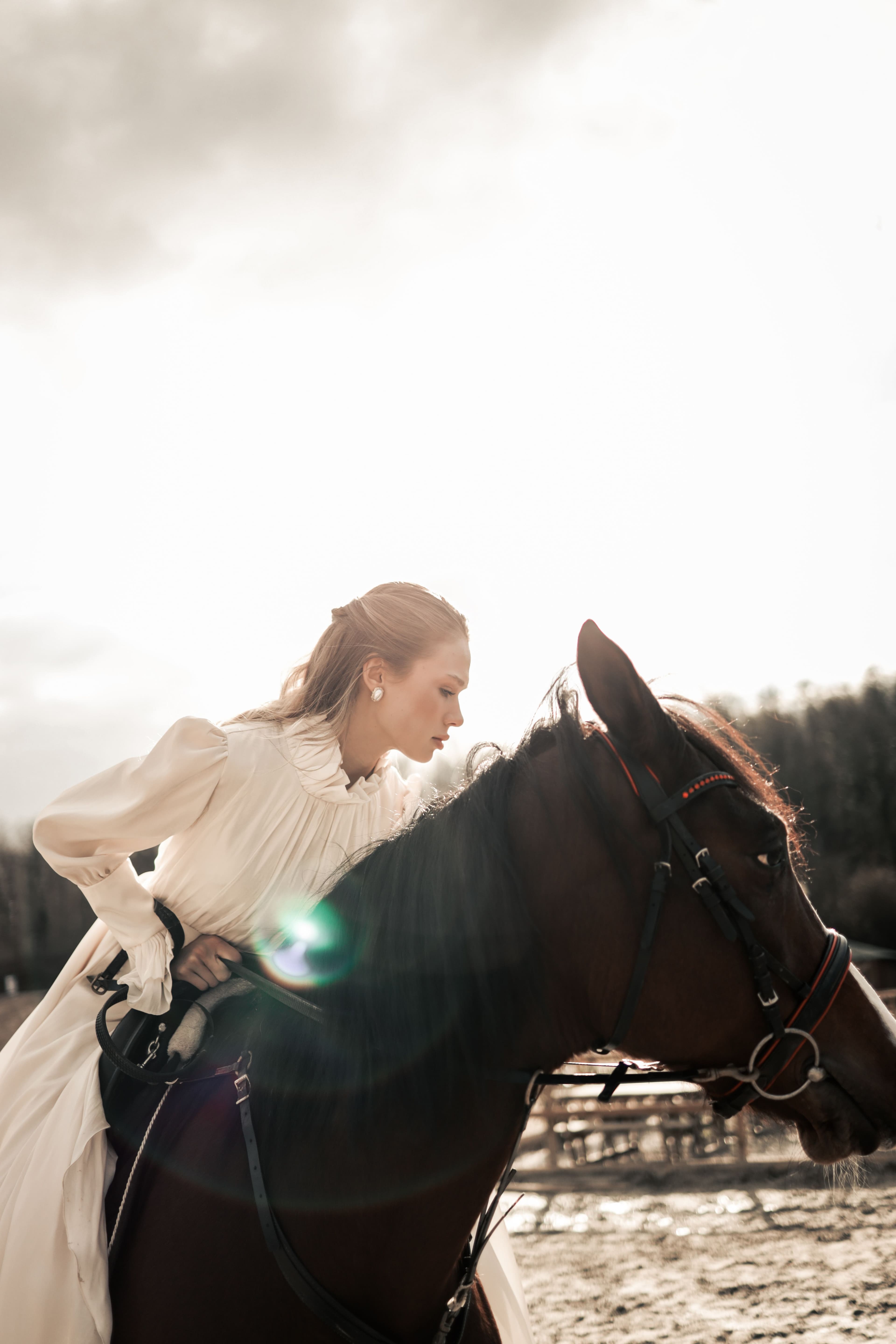
Over the Gate
There is a moment, usually at a gate, when a horse lifts its head and looks at you. Nothing is asked and nothing is offered. The ears turn. For a second you are being considered by something much larger than yourself, and you stand a little straighter without deciding to.
Anyone who has loved a horse knows the rest of it. The warmth through a winter coat. The smell of a neck, which is like no other smell and which no one has ever managed to describe to someone who has not stood there. Dust in the light of a barn door. The scrape of a hoof pick, the weight of a head resting for a moment against your shoulder.
People are asked, sooner or later, why they keep going back. The answer is rarely ready. It tends to arrive sideways, in the middle of doing something else.
What Horses Give
People come to horses by very different roads. One learns to jump on a school pony in a sandy ring. Another rides out with a family that has always ridden. There are people who work cattle, people who school a single movement for a year, people who have not sat on a horse in a decade and still keep a halter on a hook. The disciplines have their own languages and their own quarrels. Most of the quarrels are invisible from the gate.
What they share is attention. A horse takes it, politely and without negotiation. You walk into the paddock thinking about the afternoon, and somewhere between the gate and the fence line you have stopped. You are watching an ear. A hind foot, tipped and resting, or not. The tearing of grass. A tail against a flank. A latch somewhere behind you. The small sounds that were already there, but which you had not been listening for.
Then the watching becomes a kind of conversation. A tightening around the eye, a held breath, a weight shifting before the foot has moved: you begin to see these before you could say what you saw. Nobody teaches this directly. It builds the way you learn the mood of a house from the sound of a door. You come to know the horse that is easy today and the one that is not, and you adjust before anything has been said. It is a conversation conducted entirely without language, and both sides are, in their way, listening.
Somewhere in that conversation you remember how large the other party is. A horse is heavy and quick and strong, and has chosen, on the whole, to be patient with you. Feed comes first, then water, then feet, a rug on or off as the weather turns. The animal's needs set the order of the day. Whoever arrived wanting to be in charge finds that what is asked of them is quieter than that. You have to mean what you ask, and you have to notice the answer. Everyone has been refused, at some point, by a horse who simply was not going to.
That changes the meaning of confidence. It is not the loud kind. It is being clear enough to ask, calm enough to wait, and willing to change your mind when the answer is no. Then you are up, and being carried. The swing of the walk, the rocking canter, warmth coming up through the saddle. It cannot be done well by holding yourself apart from it. Somewhere in the first few strides the shoulders come down from around the ears and the week falls behind. People say it feels quiet, and often cannot say where the noise went.
Afterwards there is the brushing, the dust lifting in the light. A hand run down a leg to check what no one has mentioned. A horse leaning, very slightly, into the stroke. It is a way of paying attention that happens to leave a coat shining. By then the weather has become part of the day too. Rain is a decision about rugs and ground. Wind makes a horse silly. Frost makes it careful. The season arrives through the sound of the ground underfoot long before the calendar says anything.
And then, somehow, you do it again. Next week, and the week after, in nearly the same order but never quite the same. Time behaves differently here. An hour is neither short nor long. It is simply full, and then it is over, and the phone in the car still shows the same afternoon. Years go the same way. Through moves and jobs and children, through seasons when there is no horse of their own, people find their way back to a fence line. Someone goes every Saturday for a decade and could not tell you what any one of those mornings was for.
Perhaps that is when it becomes something more than an activity. The horse has become part of the shape of a life, the way a river is part of the shape of a town. The town would be a different place without it, though no one would ever put it that way. There may be years when you ride often and years when you hardly ride at all. The knowledge remains. So does the feeling of standing at a gate and being noticed.
At the end of the day the horse is turned out, or walked in, and the gate is latched. Hands smell of leather and animal. Nothing has happened that could be told as a story. Someone drives home with the window down and has the particular feeling of having been, for a few hours, entirely where they were.
From the Journal
A few things from the Journal that feel at home here.
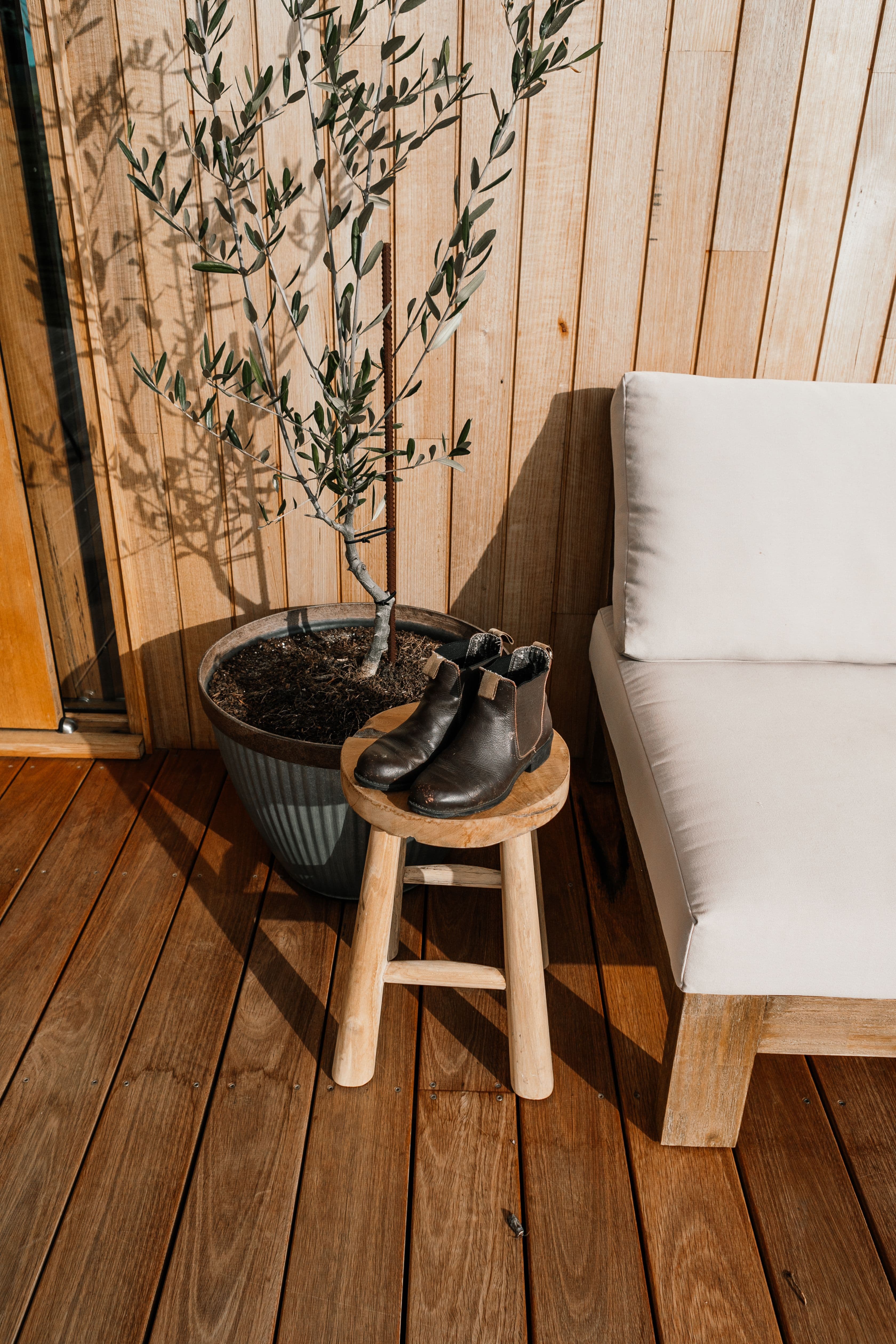
Why We Still Keep Things That Need Looking After
Some of the most satisfying things we own are not the perfect ones. They are the ones that need something from you.
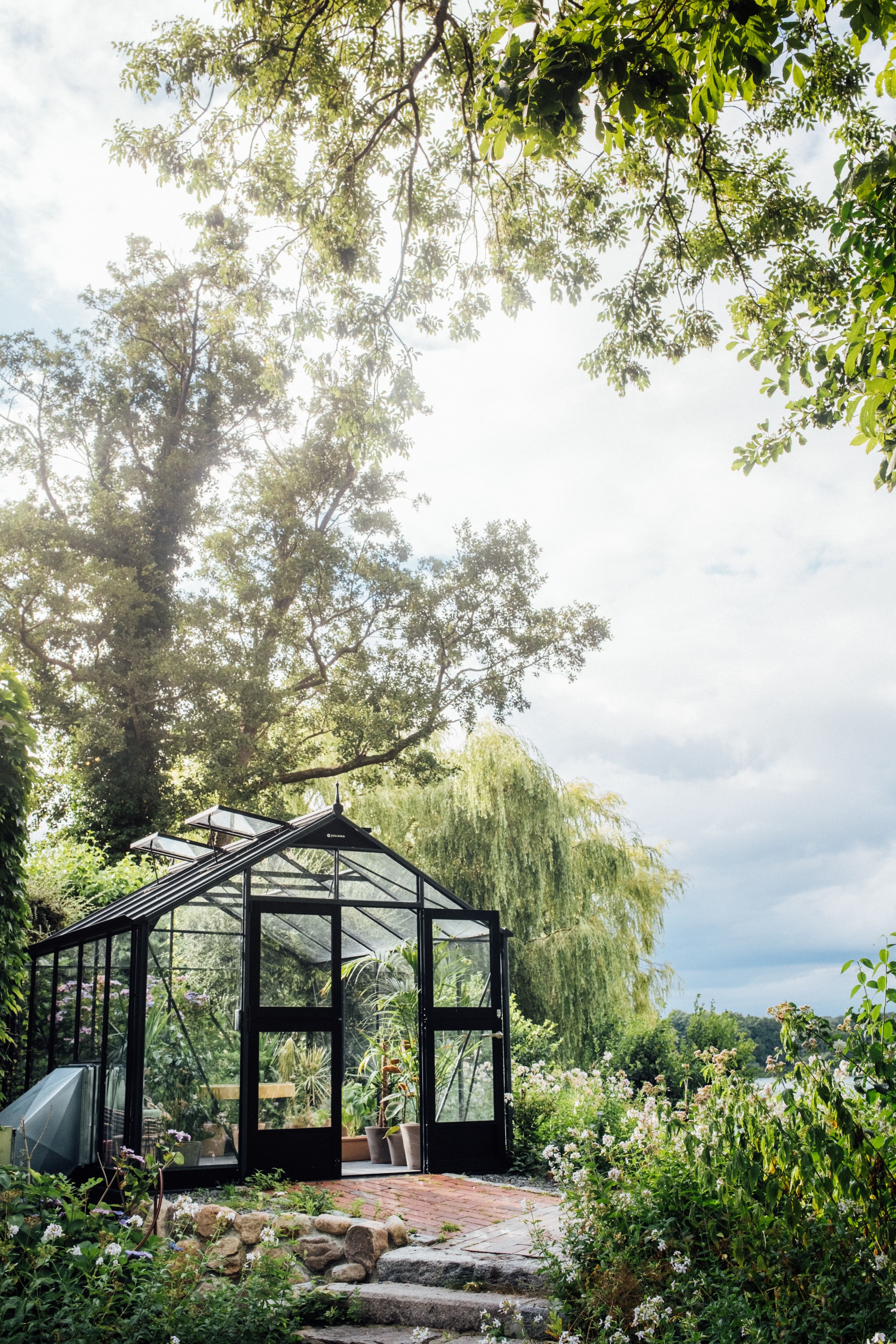
The Garden Tools Worth Keeping
A good garden tool isn't the one that looks most impressive when it's bought. It's the one that becomes familiar in the hand, gets maintained rather than discarded, and is still there years later.
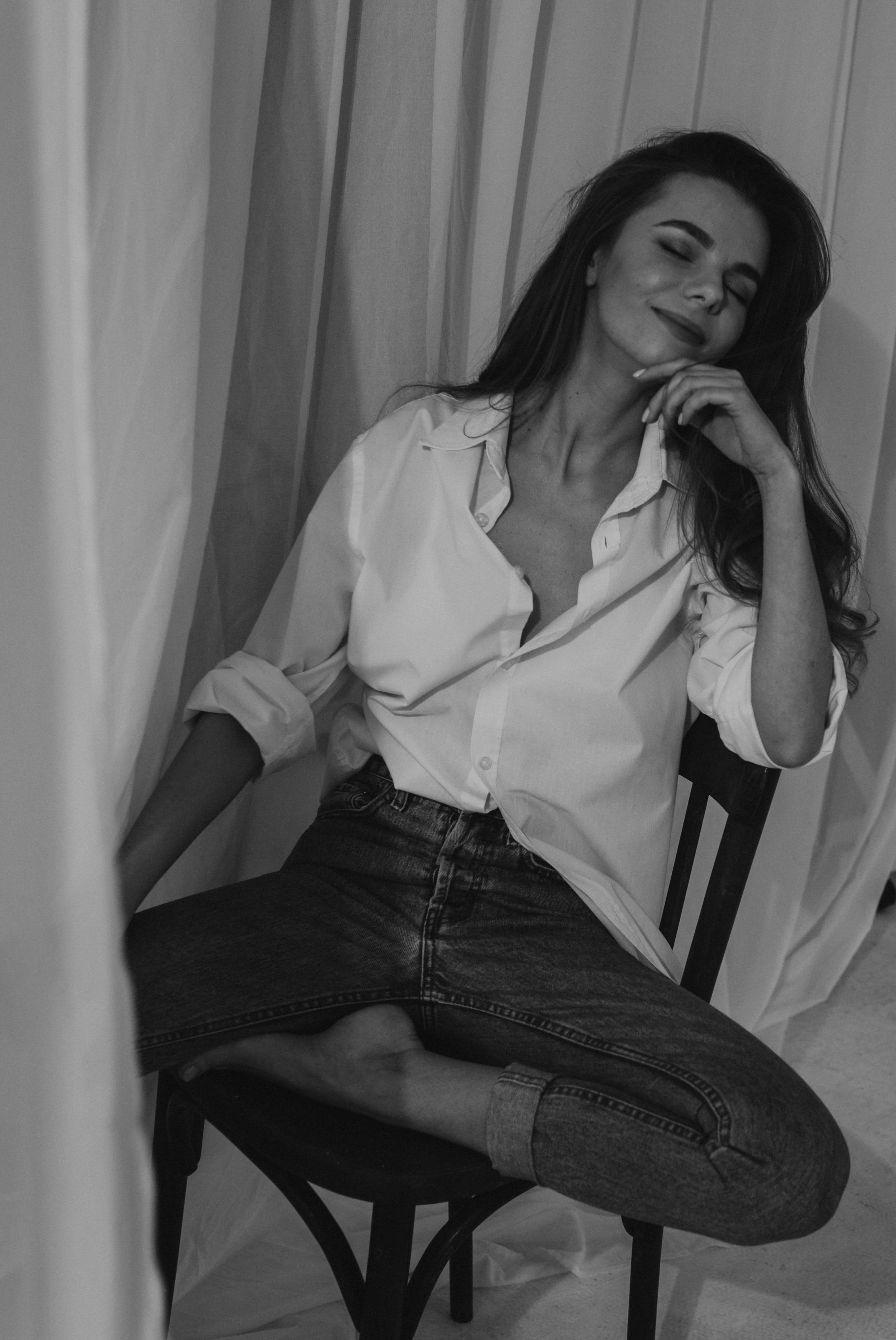
Why Vintage Levi's Get Better With Age
Some clothes look better when they are new. Others become themselves through wear. Why vintage Levi's belong to the second category.
From the Club
A few things we've been keeping.
Things worth noticing
A note from Twenty Acres, occasionally. New stories, beautiful things, and the details we're keeping.