
How to Choose the Right Yacht Charter for Your Day on the Water
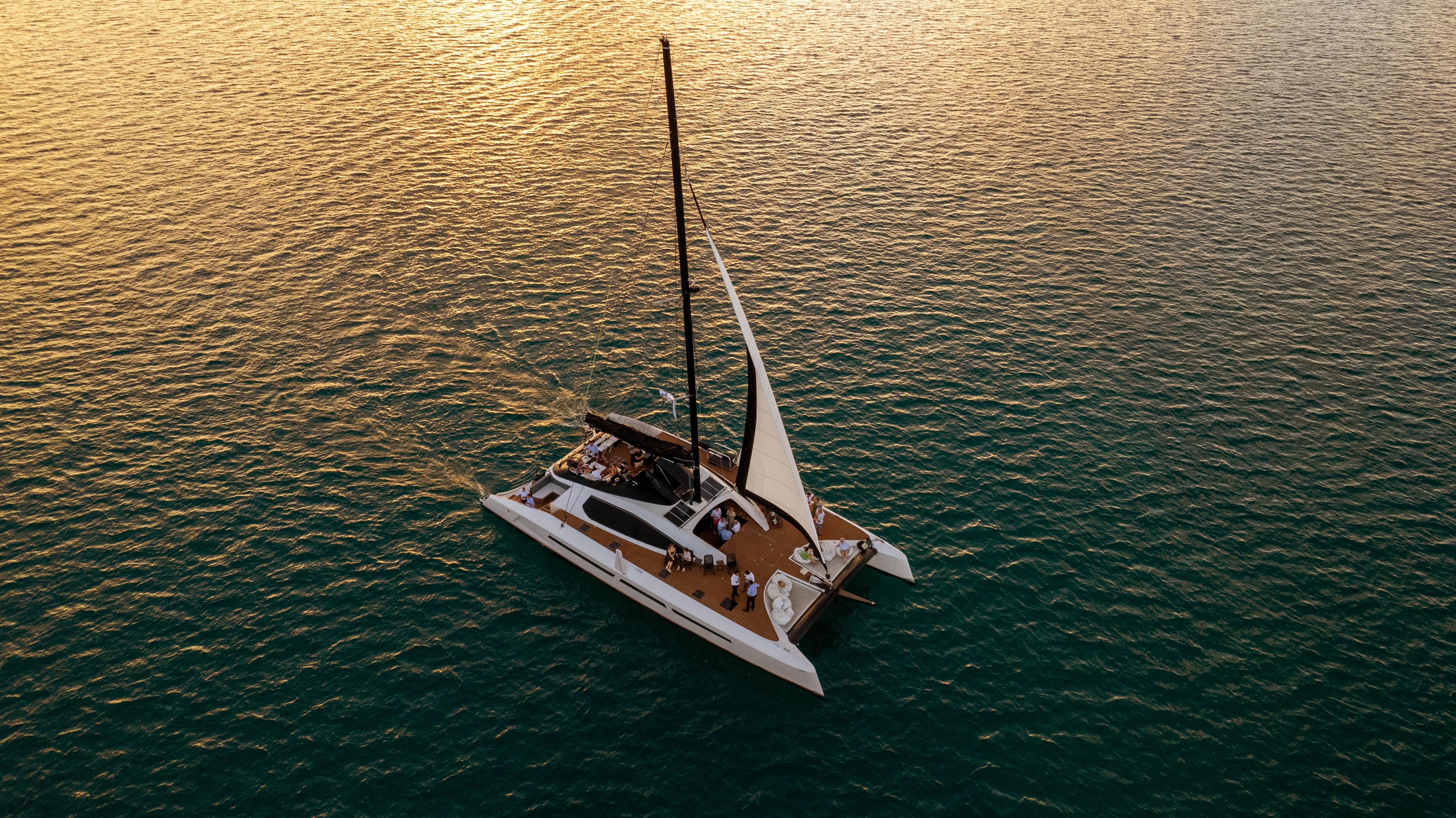
By early afternoon the anchor is down in a quiet bay. Lunch is on the table in the shade, someone has already gone in for a swim, and the harbour you left that morning is a smudge of roofs on the shoreline. Nobody is looking at a phone. Nobody is quite sure what time it is.
That day does not come from hiring a boat. It comes from choosing the right kind of day for the people on board: how many there are, how long you want to be out, how much you would like to be doing and how much you would like to be left alone. The vessel is only part of it. The format, the crew, the route and the terms all shape what the hours feel like.
This guide sets out the choices in the order they tend to matter, so that when you do begin to look at real charters you know what you are comparing.
Decide what kind of day it is
Start with the occasion and the group. A few hours with friends on a warm afternoon is a different undertaking from a birthday for a dozen people, and both are different again from a few nights moving between harbours. Think about how many will be on board, how long you want to be out, and what you expect to do: swim, eat, sit, explore a coast, reach a particular place.
Think about the people as well. Are there children, or older relatives who will want an easy way on and off the boat? Is anyone prone to seasickness? Does someone want to sail, while someone else would like to read? Honest answers help you avoid a charter that suits the photographs but not the group.
The formats, plainly
Charters generally come in a few formats, though the terms and names vary between operators and countries, so always confirm what a particular listing means.
On a bareboat charter you take the boat without a skipper and are responsible for sailing or running it. Bareboat charters can require evidence of boating experience, particular qualifications or both, depending on the vessel and the jurisdiction. Confirm the requirements with the operator before booking. It gives the most freedom and asks the most of you.
On a skippered charter, a skipper is provided to run the boat. Having someone responsible for operating the vessel leaves you and your guests free to enjoy the day, which can suit groups with little or no boating experience.
A crewed charter adds further crew, often including someone to cook and look after the guests. It suits longer trips, and the price will reflect the additional crew, so it is worth asking exactly what is included. It is a different experience, closer to staying in a small hotel that happens to move.
There is also the question of length. A day or half-day charter is a contained, manageable first step. A multi-day charter turns the boat into a place to live and asks for more planning around cabins, provisioning and the pace of the days.
Sail or motor
The kind of boat shapes the day more than people expect. A sailing yacht is usually slower and quieter, and its pace is part of the pleasure for some people. It heels in the wind, which some guests love and others find uncomfortable, and it covers less ground. A motor boat is often faster and can reach more places in a limited time, which suits a short day with a particular destination, though it is typically noisier and uses more fuel.
Catamarans are often chosen for their stability and deck space, which can suit groups and families, though they may not be right for everyone. If someone on board is uneasy on the water, the operator may be able to suggest a suitable boat and route, and a shorter, calmer outing is a gentle place to start.
Capacity and comfort
A vessel will usually have a stated maximum number of passengers, so ask what it is and how it is set, and treat it as a ceiling rather than a target. A boat that is permitted to carry twelve, for example, may be comfortable for eight. Look at the deck space, the seating, the shade and the swimming platform, and find out whether there is a toilet on board and how it works.
Think about how easy it is to get on and off. A high step from a jetty or a narrow ladder into the water can be difficult for small children and older guests. If you are staying overnight, look closely at the cabins and the sleeping arrangements, since a boat that sleeps six on paper may not do so happily in practice.
Reading the cost
Start by confirming whether the quoted price is for the entire vessel or charged per person, and whether a minimum booking period applies. The headline figure may leave things out, so request a written breakdown of what it includes. Common items to clarify are the skipper or crew, fuel, mooring or harbour fees, cleaning, taxes, insurance and any damage deposit, as well as equipment such as paddleboards or snorkels, and the exact hours covered. On some charters fuel is included, on others it is added at the end, and the difference can be significant.
For multi-day charters with a crew, ask how food and drink are handled and whether provisioning is paid in advance or at cost. Where a crew is provided, find out what is customary for gratuities in that region, so that there are no surprises.
It is also worth considering what you actually need. A shorter charter on a smaller boat, with the right mix of swimming, lunch and a calm afternoon, can be more satisfying than a larger boat for longer. The most expensive option is not necessarily the best one for your group.
The operator and the terms
Before booking, it is worth establishing who is operating the vessel and whether the vessel and the operation meet the requirements that apply where you will be sailing. Those requirements differ from place to place, so ask rather than assume. Find out what licensing the operator and the vessel hold, whether the vessel is permitted to carry passengers on charter, and what insurance covers passengers on board.
Ask about safety as well. What equipment does the vessel carry, including lifejackets for every passenger and appropriately sized lifejackets for children? How is the safety briefing conducted, and when? What happens if conditions deteriorate during the day, and who decides whether to delay, change or cancel the trip: the skipper, the operator or you?
Then read the commercial terms closely. Look at the deposit, the payment schedule, the cancellation conditions and any additional charges, and note the point at which a booking becomes fixed. Terms can differ from one listing to another, particularly where boats are listed by individual owners and operators.
A friendly, prompt reply from an operator is useful to know about, but it does not replace checking the credentials, arrangements and terms themselves. Ask for them in writing, and be wary of any answer that stays vague on safety, insurance or cancellation.
Timing and the weather
Conditions on the water vary by location, season and day. Ask the operator about the usual conditions for your intended route and time of year, and check how the itinerary can change if the forecast or sea state makes the original plan unsuitable. A day that allows for a shorter route, a more sheltered anchorage or a later start is easier to enjoy than one that depends on everything going to plan.
Leave some flexibility if you can, and prepare for what the day may ask of you: sun protection, a layer for the breeze or the evening, and any seasickness remedies that suit you. The operator can tell you what is worth bringing, including what footwear is appropriate on board.
What to confirm before the day
A few practical details are better settled in advance. Where and when do you meet, and how long will the charter last? Is the route fixed, or can you choose? Can you bring your own food and drink, and is there a policy on alcohol? What is the position on children, pets and music? Are swimming stops included, and is there equipment for them? What happens if someone is late?
Having the answers in writing means that the day itself can be spent on the water rather than on logistics.
Choosing the day that suits you
The boat that is ideal for a swim and a long lunch may be too small for an overnight stay. A quiet sailing yacht may be too slow for a group that wants to reach a particular cove. A larger crewed charter may offer ease at a price that does not suit the occasion. The aim is not to find the most impressive option, but the one that fits the people, the pace and the purpose of the day.
When those are clear, the choice usually follows.
Where to look next
When you start comparing real charters, line them up against the same short list: the vessel and the format of the charter, how many people it carries comfortably, where it departs from, how long you will be out and what the itinerary allows, what the price includes, and how the booking, weather and cancellation terms work. Looking through available charters with those details set side by side is a practical next step.
The day worth having is rarely the busiest one. It is the one where the boat suits the people on it, and the water does the rest.
Keep this one
Save it to Pinterest.
Share this story
The Twenty Acres Club
An archive of things worth noticing. Receive our private seasonal notes on the wardrobe, the house, travel and the small details that make a life its own.