
Where to Stay in Tuscany for a Villa Holiday
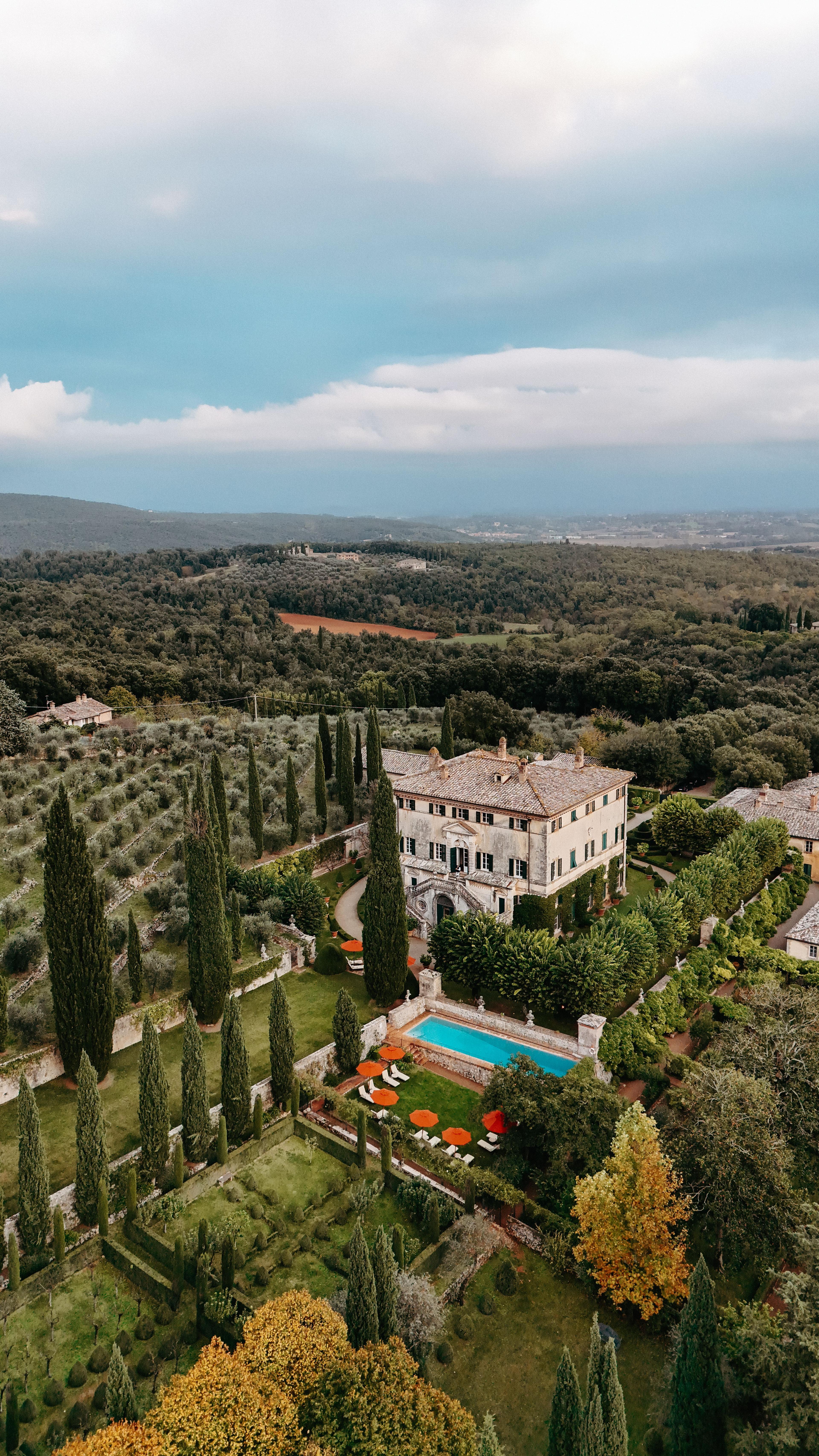
A villa listing in Tuscany tends to begin with the house: shutters open, a table laid in the shade, hills softening towards the horizon. What it seldom shows is the road that connects the house to everything else, and that road decides more of the week than the photographs suggest.
Tuscany is a large region. A house in one part of it gives you a different holiday from a house in another, even when the two look alike on a screen. This guide is about choosing where to base yourself first, and then what to check about a particular house once you are there. The room-by-room questions, about beds, kitchens and shade, are in How to Choose a Villa for a Week Away. This one is about the map.
Start with how you want the days to go
Most villa holidays settle into one of three rhythms, and it helps to know which is yours before you open a single listing.
The first is a week centred on the house, with the occasional outing: a market, a long lunch nearby, an afternoon by the pool. The second is a week of towns and cities, with the house as the place you return to in the evening. The third includes the sea, so that some days are spent on a beach rather than a hillside.
None is better than the others, but each points to a different part of the region. A week built around the house tolerates distance, because you will not be leaving much. A week built around cities does not, because the same drive is repeated every day. A week that includes the sea needs the coast within reasonable reach, which is not true of much of inland Tuscany.
Two practical questions sharpen the choice. Who will be driving, and will they want to be on the road after dinner? Public transport in Tuscany is better than many visitors expect, with regional trains to many towns and buses to the rest (opens in a new tab), but it is organised around towns, not around a house on a hillside. For a villa in the countryside, plan on having a car.
Five places to base a villa holiday
These are regional generalisations, not promises about any individual house. Within every area, two villas can be a very different drive apart, so treat each description as somewhere to start asking questions.
Chianti, between Florence and Siena
Chianti is the landscape most people picture first: hills of vines and farmhouses spread across the countryside of both Florence and Siena (opens in a new tab). It is organised around villages such as Greve, Castellina and Radda, each with its own shops and restaurants, which makes it a comfortable base for a week that mixes house days with short outings.
The trade-off is that Chianti is a large and loosely defined area. A villa near Greve and a villa near Castelnuovo Berardenga sit in different positions relative to the two cities, so the village named on the listing tells you more than the word Chianti does. If both Florence and Siena are on your list, look at a map before you accept that a house is conveniently between them. Ask about the last stretch of road as well. Some houses stand at the end of an unpaved track, and that changes how the drive home feels after dark.
Val d'Orcia
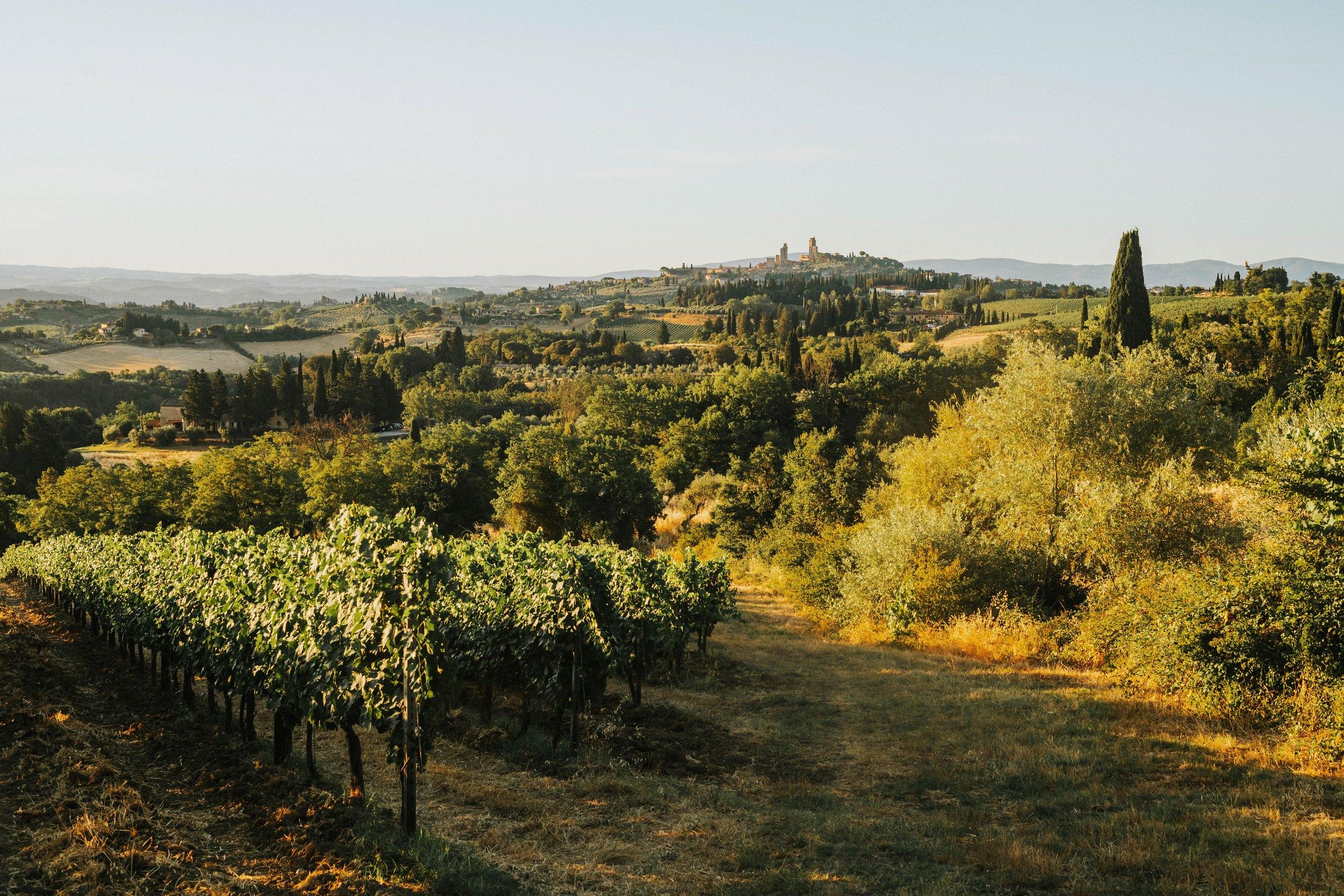
Val d'Orcia is the Tuscany of the calendar photograph: gentle cultivated hills, cypress-lined roads, and small towns such as Pienza, Montalcino and San Quirico d'Orcia. It lies in the province of Siena and has been a UNESCO World Heritage landscape since 2004 (opens in a new tab). It suits a week of space and quiet, with a few unhurried trips to the hill towns, and it suits people who are content to let the landscape be the main event.
It asks more of you in return. The villages are small, the distances between them are real, and in open country shade is a feature of the house rather than something you can assume. Work out the road distance to the nearest shop and the nearest restaurant you would actually want to eat in, not the distance as the crow flies.
The countryside around Florence
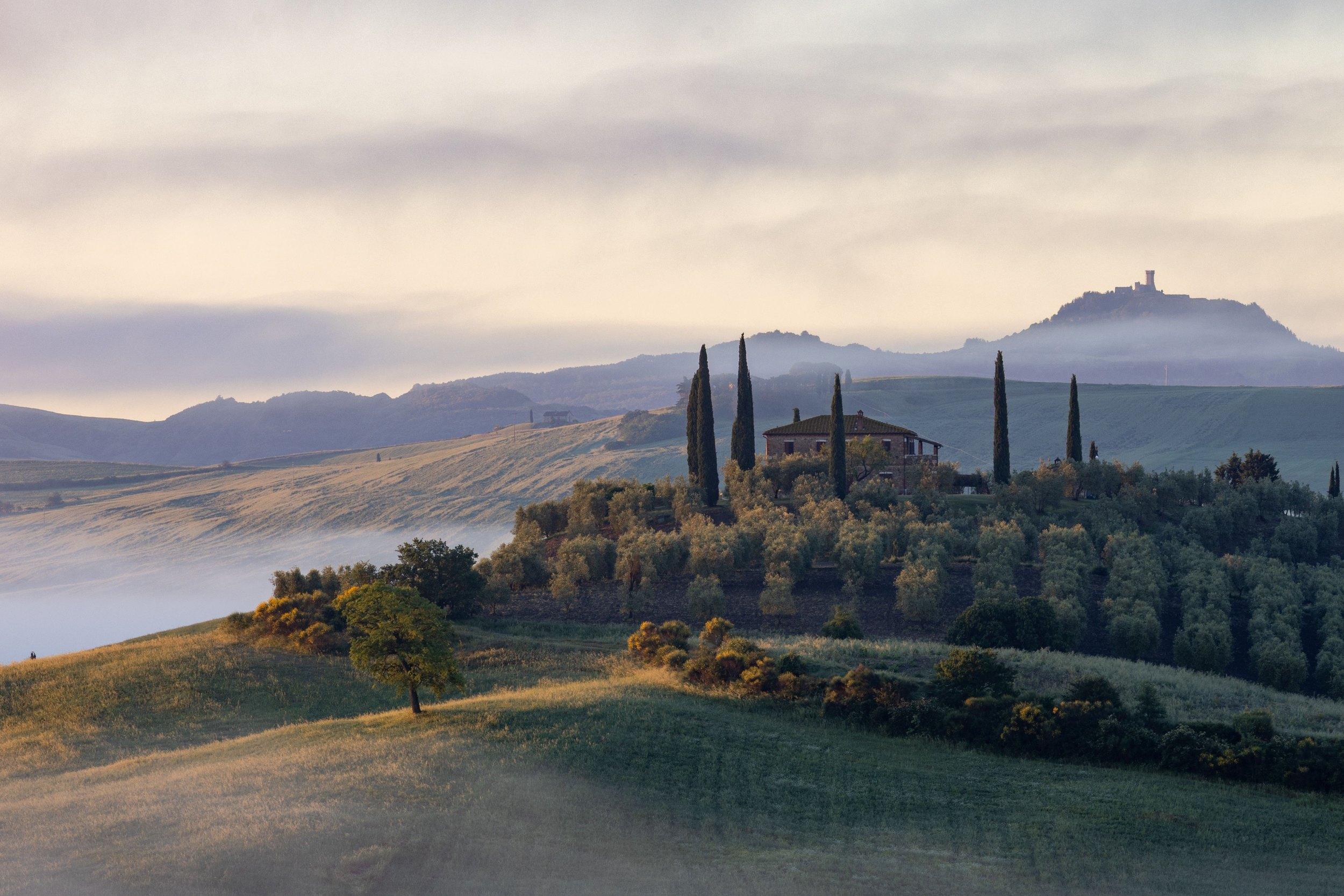
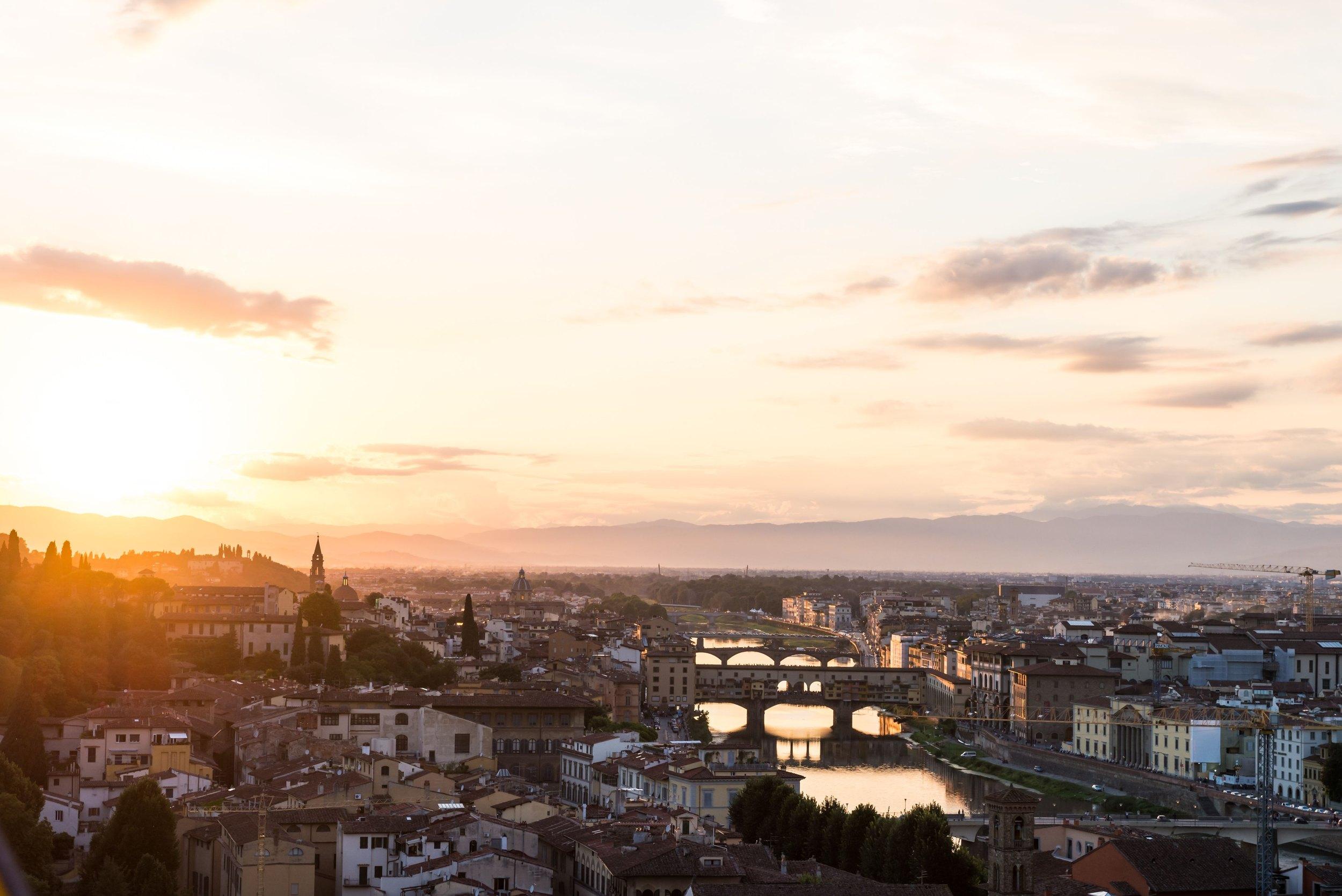
If the cities are the point of the trip, the hills outside Florence give you a house and a gateway. This suits a week of galleries, churches and restaurants, with a garden to come back to in the evening.
The difficulty is that Florence is a city where a car is more burden than help. Many Tuscan cities restrict traffic in their historic centres through limited traffic zones (known as ZTL), and taxis are found at ranks or booked by phone, not hailed in the street (opens in a new tab). So the useful question about a villa nearby is not how many kilometres it is from the city, but how you will actually get in and back: a station within reach, parking you can trust, or a driver for the evening. The answer differs from house to house.
Lucca and the north-west
Lucca is a walled city whose Renaissance ramparts are topped by a tree-lined promenade closed to cars, and the countryside around it is gentler than the hills further south. It tends to suit groups who want a town within easy reach and a bit of variety: a city, the Versilia coast, which includes beach towns such as Viareggio and Forte dei Marmi, and Pisa's airport, one of the region's two main international gateways.
The trade-off is that you should check the privacy a photograph implies. A satellite view takes two minutes and will show you the neighbours, the roads and which way the pool really faces.
The coast and the Maremma
Tuscany has around 330 kilometres of coastline, and the region's tourist board points summer visitors to beaches from Livorno to Talamone and the Maremma and Argentario national parks (opens in a new tab). A week by the sea suits those who want the water to be a daily option rather than a day trip.
Coastal and inland are different propositions, so check which one a listing really is. A house in the southern Maremma can be a long drive from Florence or Siena, and the coast is at its busiest at the same time inland is at its hottest. The tourist board notes that peak season brings crowds on the seaside as well as in the squares (opens in a new tab). Ask how far the house is from the particular beach you would use.
The five, side by side
| Area | Suits | Asks of you | Check on the listing |
|---|---|---|---|
| Chianti | House days with short outings; Florence and Siena both on the list | A car; sometimes an unpaved track | Which village; the route to each city; the last stretch of road |
| Val d'Orcia | Space, quiet and the hill towns | Distance; shade is not a given | Road distance to shops and a good restaurant; shade at the table |
| Around Florence | A week built around the city | A plan for getting in and out | Station or parking; the journey home after dinner |
| Lucca and the north-west | Groups wanting a town, a coast and an airport within reach | Checking that the privacy is real | Satellite view; the drive to the coast |
| Coast and the Maremma | The sea as a daily option | Distance from the cities; summer crowds | The route to the beach you would use and to the nearest town |
Choosing the house around the people travelling
Once you have an area, the house narrows quickly if you begin with who is in it rather than what it offers.
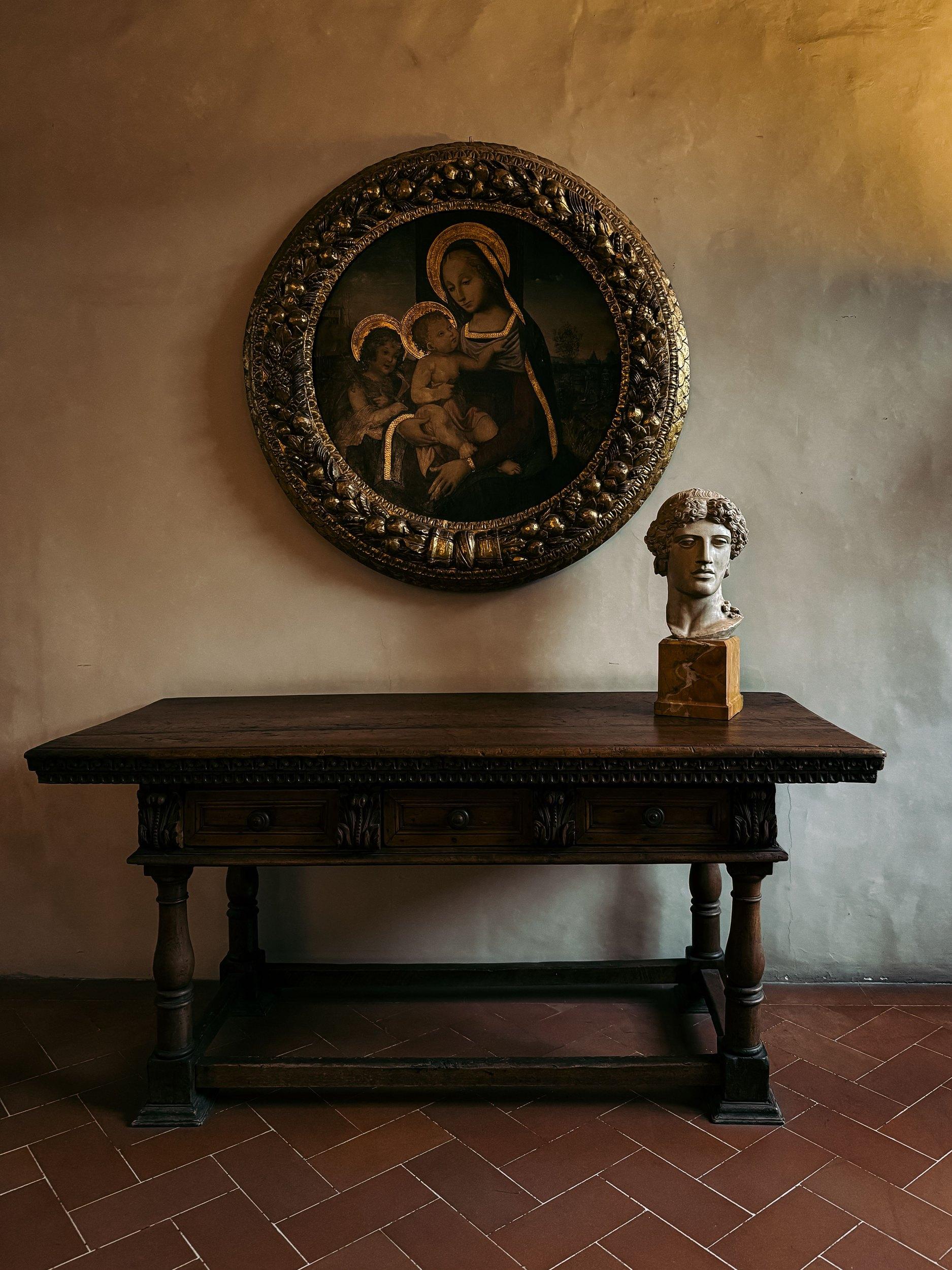
Two couples travelling together want separation as well as a shared table. A family wants children close to parents and water that is safe. Three generations may want one level, or at least a ground-floor bedroom. Traditional farmhouse-style villas sit alongside modern houses in the region, and older houses often have steps, thick walls and floor plans that have grown over time. If someone in your group finds stairs difficult, ask which bedrooms and bathrooms are on the ground floor and whether the way from the parking to the front door is level.
A pool changes the week more than any other feature, so ask precisely what you are getting. Is it private or shared? Is it fenced, and how deep is it? Is it open during your dates and, if you are travelling outside high summer, heated, and is the heating charged separately? Visit Tuscany gives a typical summer range of 15°C to 35°C (opens in a new tab) and an autumn range of 8°C to 30°C (opens in a new tab), so a pool that feels essential in August may be a decoration by late September.
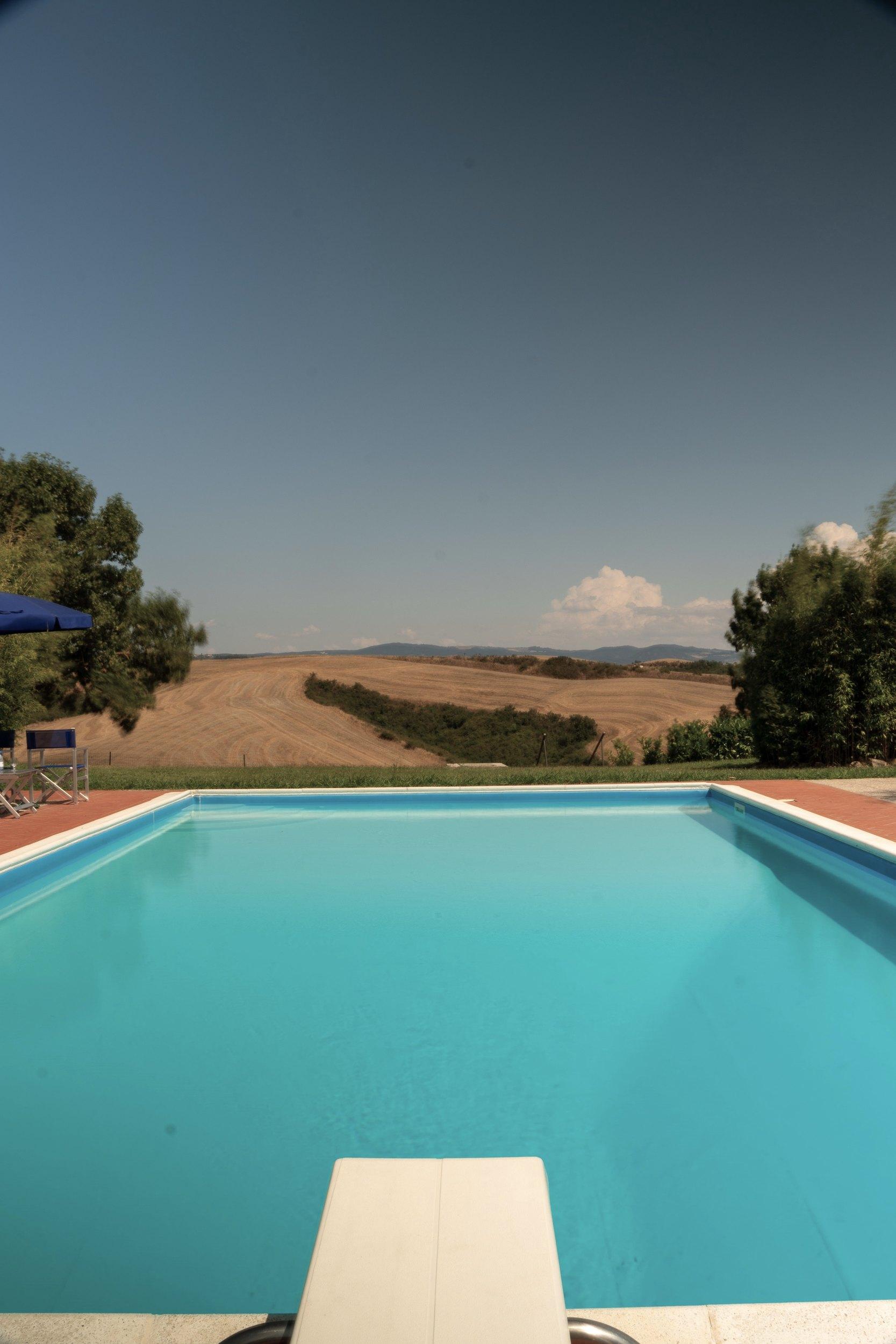
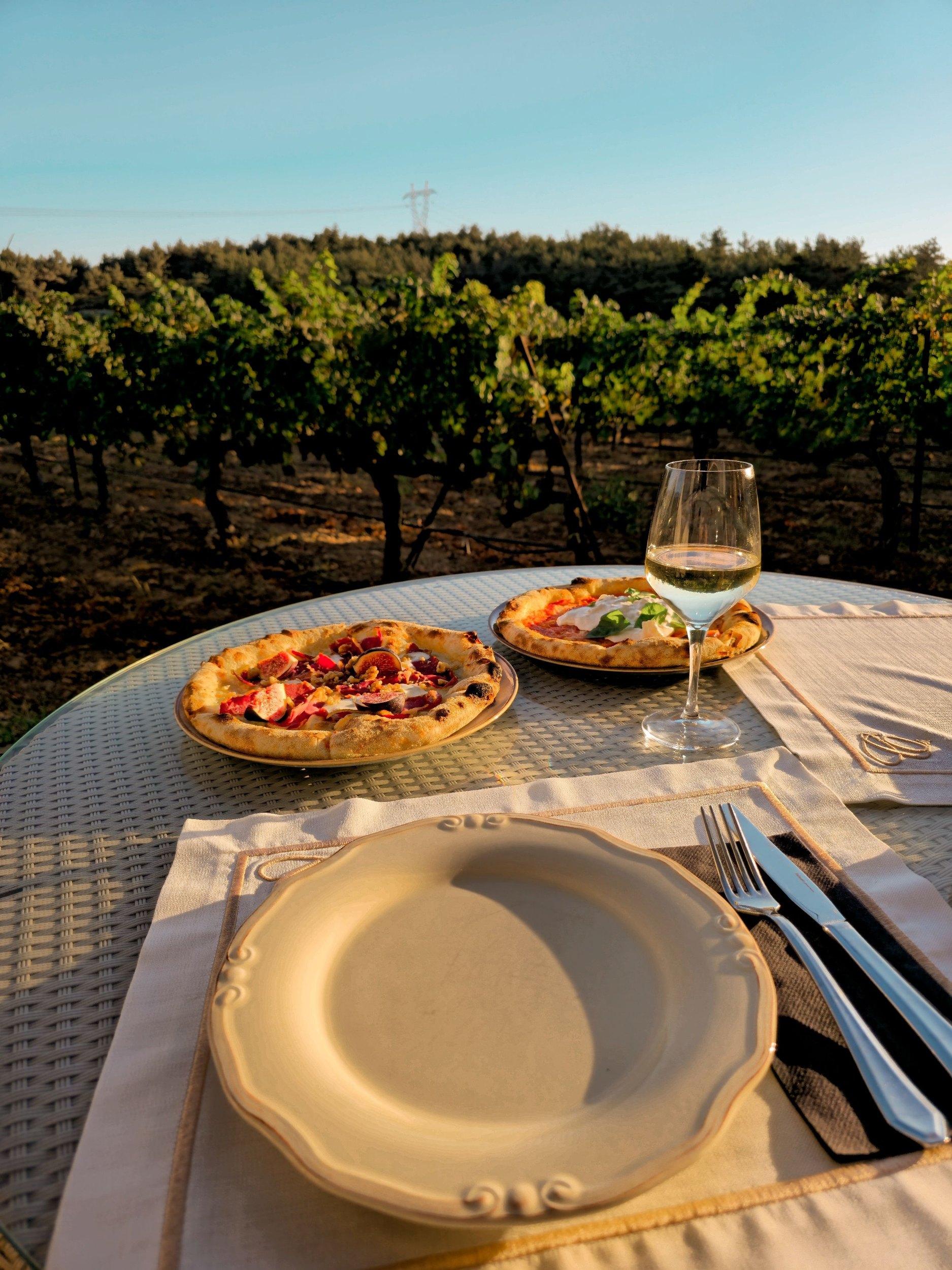
Heat works the other way too. Ask which rooms have air conditioning, and whether there is heating if you are going in spring or autumn, because evenings can be cooler than the afternoon suggests. Then look at the outdoor table. Shade at the place where you will actually eat matters more than a row of loungers in full sun.
What the photographs leave out
Photographs show a house. They do not show the hour after dinner, when the light has gone and someone has to drive back along a narrow road. It is worth imagining that hour for each house on your shortlist, and then asking the questions that would make it easy.
How far is it, by road, from the front door to a shop that sells groceries? To a restaurant you would be glad to eat in? To the town you expect to visit most? Run the routes yourself on a map rather than relying on a listing's phrase "ten minutes from", which can be measured in different ways. Look at the final approach on a satellite view: whether the road is paved, how steep and how narrow it is, and whether a larger car would fit.
If you plan to visit towns by car, find out where you would park. Because of the traffic zones in many centres, the sensible habit is to leave the car outside and walk in. And before you pay a deposit, ask for the answers in writing, along with the booking conditions, so that you are comparing what was said and not what was remembered.
What a week really costs
A weekly price is a starting point. Before comparing houses, ask what sits on top of it and what sits beside it.
On top might be cleaning, heating for the pool, a change of linen or towels, a security deposit and its return, and the local tourist tax. In Italy that tax is set by each municipality, charged per person per night and often paid directly at the property (opens in a new tab), so it varies from town to town. Look up the municipality your house is in rather than assuming.
Beside it sit the hire car and fuel, groceries and the meals you eat out, and any services you would like to add. Top Villas, for example, lists a private chef and airport transfers among its optional concierge services, though whether they are available for a given house is something to confirm.
Guest numbers change the arithmetic more than any other variable. Imagine, purely as an illustration, a house that costs €4,200 for a week. Shared by eight people, that works out at €75 per person per night. Shared by six, it is €100. Same house, same week. Whether that compares well with hotel rooms depends on how many people share it and what else you would buy, and a villa is not automatically the cheaper choice, particularly for a small party.
When to go
There is no best month, only the best month for what you want from the week.
Visit Tuscany divides the year into seasons with typical temperature ranges, and it describes mid-June to August and mid-September as peak season (opens in a new tab), with crowds in the squares and at the seaside, queues at museums and longer waits for a table. The same page singles out May for villages in flower, notes that April mixes rain and sun but has fewer visitors, and warns that March is the coldest of the spring months and can fall to around 5°C.
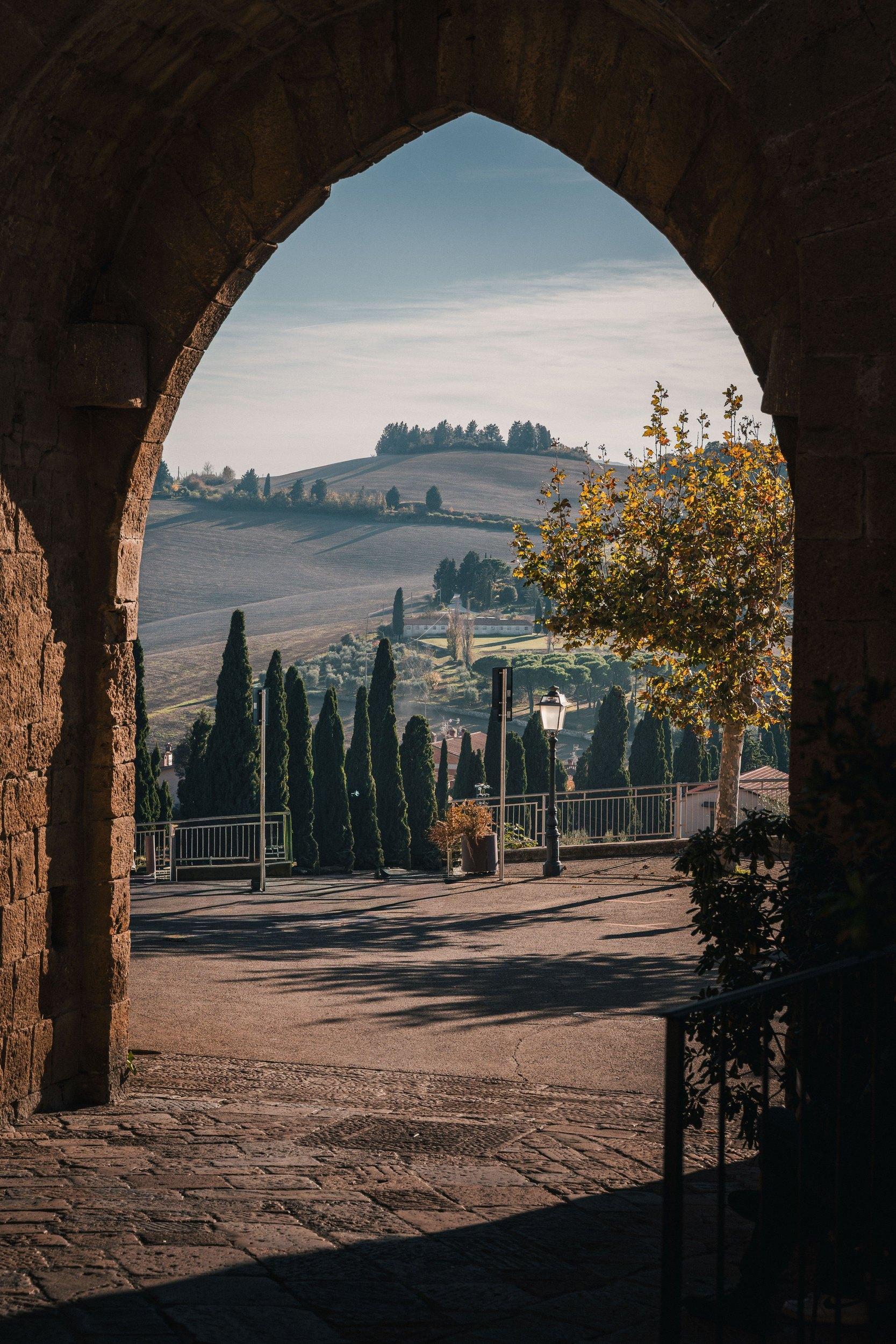
For a villa, these choices translate into the house itself. A summer week favours a pool, shade and cooling, and the coast. Spring and early autumn favour walking and longer outings, and make heating and the question of whether the pool is open more important. September also brings the wine festivals, such as Expo Chianti Classico in Greve (opens in a new tab), held on the second weekend of the month, which is lovely if you want it and a reason to book early if you do not. Seasonal services, including whether a pool is filled and a particular restaurant is open, vary, so ask for your dates.
Finding a house that suits the trip
By now the question should look different. You know whether the week is built around the house, the cities or the sea, how far you are willing to drive, and what you will check before paying a deposit.
Once you have an area in mind, it becomes easier to compare real houses by location, layout and the way you intend to spend your days. One place to do that is Top Villas' Tuscany collection (opens in a new tab), which describes itself as offering more than 300 homes and is organised by areas including Chianti, Florence, Siena, Lucca, Grosseto and Livorno, with optional concierge services. Val d'Orcia sits within the province of Siena, so look at the Siena listings and check the exact position of any house on a map. Treat it as one place to compare among several, and put the same questions to any agency or owner you trust.
It is also worth saying that the answers may point away from a villa. If you keep arriving at towns, dinners within walking distance and no driving, a hotel may suit the trip better, and How to Choose a Hotel You Will Remember is a good place to start. The rest of Travel covers houses, hotels and the sea. For the other side of staying in a house, once you have arrived, there is A House Somewhere Else.
The road you drive home on
Tuscany will be there whichever hill you choose, and most of its hills are worth a week. What differs is the ordinary part: the road back after dinner, the shop you pass on the way, the view from the gate when you come home with a bag of shopping and no particular plan. Choose the place where that ordinary hour is the one you would like to have, and the house, if it is a good one, will take care of the rest.
Keep this one
Save it to Pinterest.
Share this story
The Twenty Acres Club
An archive of things worth noticing. Receive our private seasonal notes on the wardrobe, the house, travel and the small details that make a life its own.