
How to Choose a Villa for a Week Away
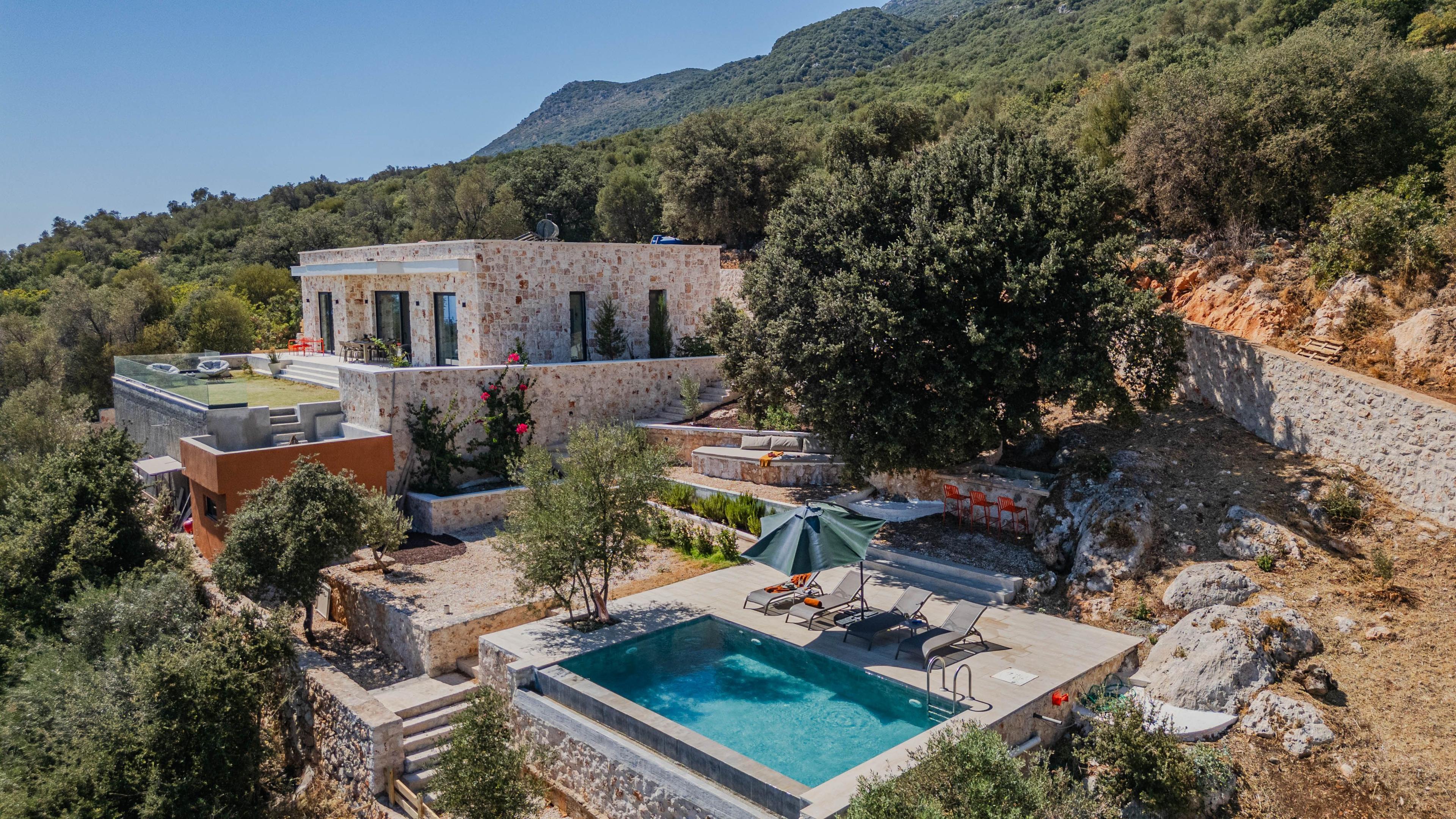
The photographs of a villa are taken in the best hour of the day, with the shutters open and the table laid. Nothing in them need be untrue. But by the third morning of a week away, the house has stopped being a set of images and become a set of small facts: who sleeps closest to the kitchen, how long the one good bathroom is occupied, where the shade falls at four o'clock, how far away the bread is when someone has forgotten to buy it.
A weekend forgives a great deal. A week does not. Over seven days a house either begins to feel like somewhere you live, with its own order and its own pleasures, or it keeps reminding you that you are a guest in someone else's arrangements. The difference rarely comes down to how beautiful the property is. It comes down to whether it suits the people staying in it.
The most useful way to choose a villa is to imagine living in it, room by room and hour by hour, with the people who will actually be there.
Start with the week, not the house
Before opening a single listing, it helps to describe the week in plain terms. Who is coming? One person will be up at six and wanting coffee outside; another will not appear before ten. A couple may want a door that closes firmly on the rest of the house. Someone may find stairs difficult. A child may need to sleep within earshot of a parent. There may be a long lunch every day, or no fixed meals at all.
None of this is complicated, but it changes what you look for. A house that suits two couples who like to keep to themselves is not the house for three generations who want to share every meal. Both can be lovely. Only one will be right for your group.
Count the beds, then look at where they are
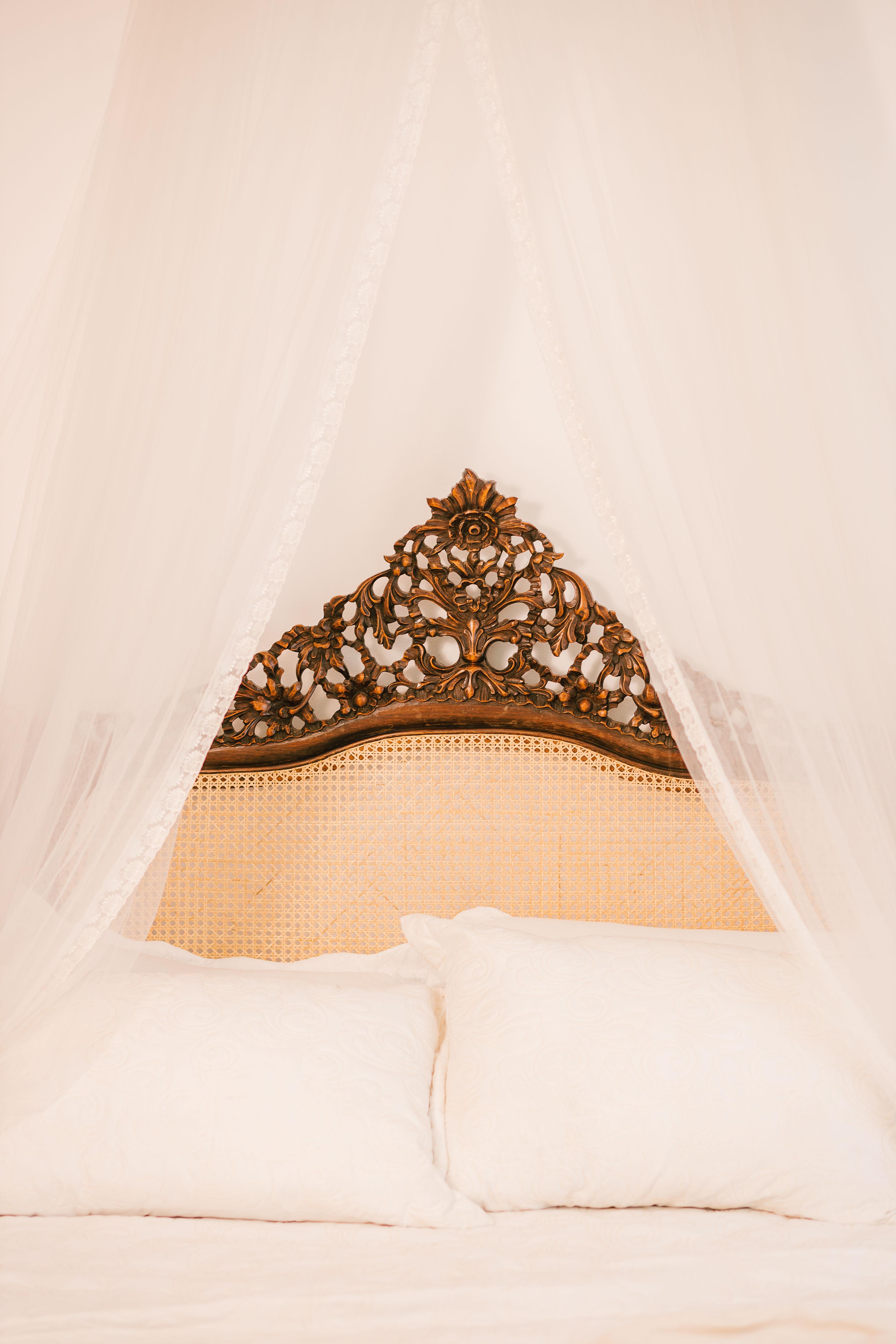
The number of bedrooms is the first thing a listing offers and the least informative. Ten beds can mean five proper bedrooms, or three, with sofa beds in the living room. What matters is how the rooms sit in relation to one another and to the bathrooms.
Look for a floor plan, or ask for one. Notice whether bedrooms share walls with the living areas, which matters if some of the group sleep early and others stay up talking. Check which rooms have their own bathroom, and what "en suite" means in practice: a full bathroom, or a small shower room off a corridor. A house with five bedrooms and two bathrooms can feel generous on the first evening and cramped by the third morning.
The beds themselves deserve a question. A room described as a double or a twin may be arranged in more than one way, and a room that sleeps two children comfortably may not suit two adults. If anyone in the group has difficulty with stairs, find out which bedrooms and bathrooms are on the ground floor, and whether the entrance and garden are step-free.
The most useful test is a simple one. If each person or couple were given a room, would everyone be content with the one they were given? A villa where the answer is yes for every room tends to hold together over a week. One with a single magnificent bedroom and several afterthoughts usually does not.
The kitchen is where the week is decided
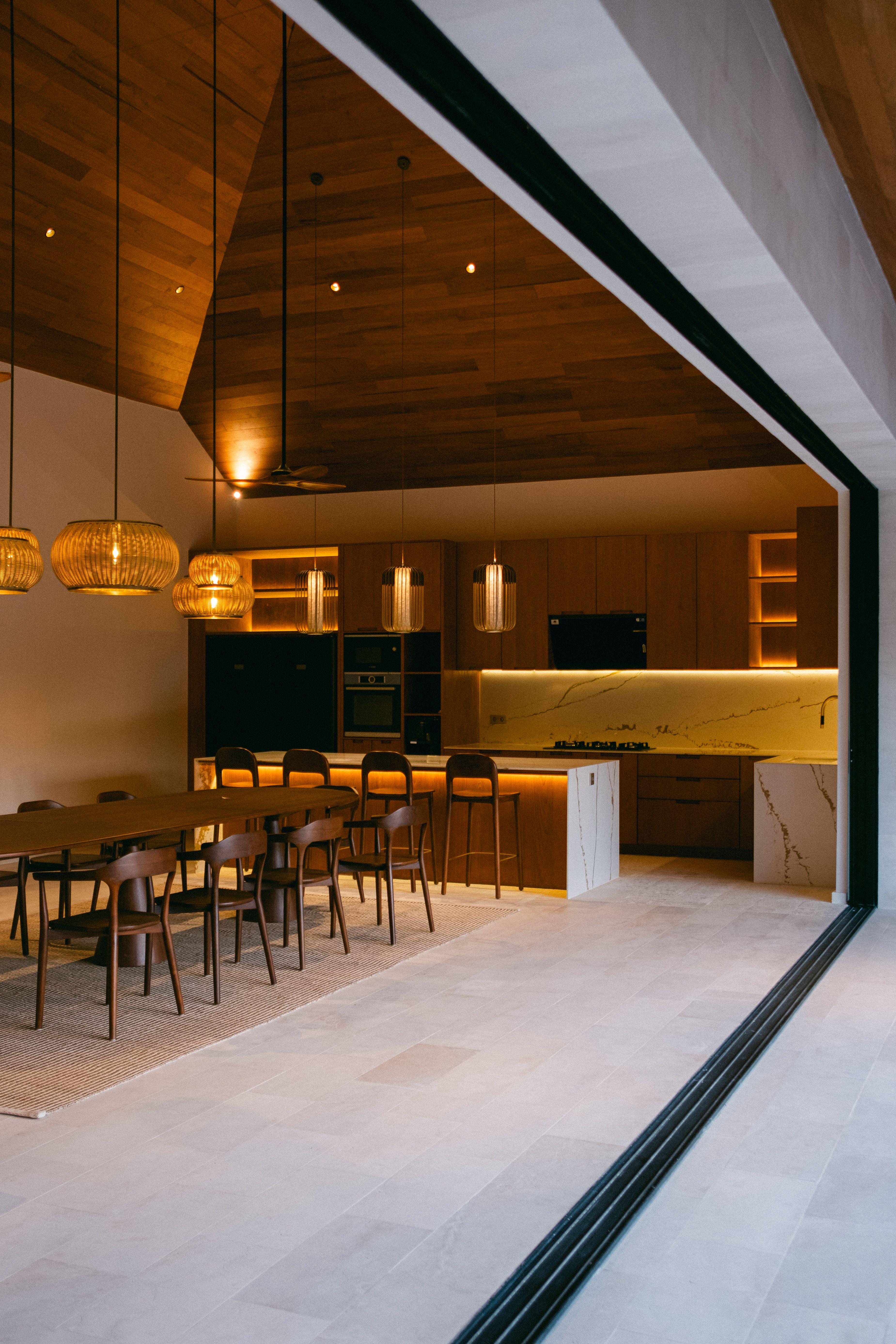
In a house, unlike a hotel, you will eat many meals at home. That makes the kitchen and the table the working centre of the place, and photographs rarely say much about either.
Check that there is somewhere for everyone to sit at once, indoors or out. A table for six is a different house from a table for ten if your group is ten. Look at what the kitchen is equipped for: an oven you can properly cook in, enough pans, a dishwasher if you are many, a refrigerator that will hold a market shop for several days. If you cook, find out what is on the shelves. If you do not, it helps to know what is nearby and whether meals or groceries can be delivered.
Laundry is a small matter that becomes a large one over a week, particularly with children or in hot weather. A washing machine and somewhere to dry things outside is quietly one of the more useful things a house can offer.
The outdoor rooms
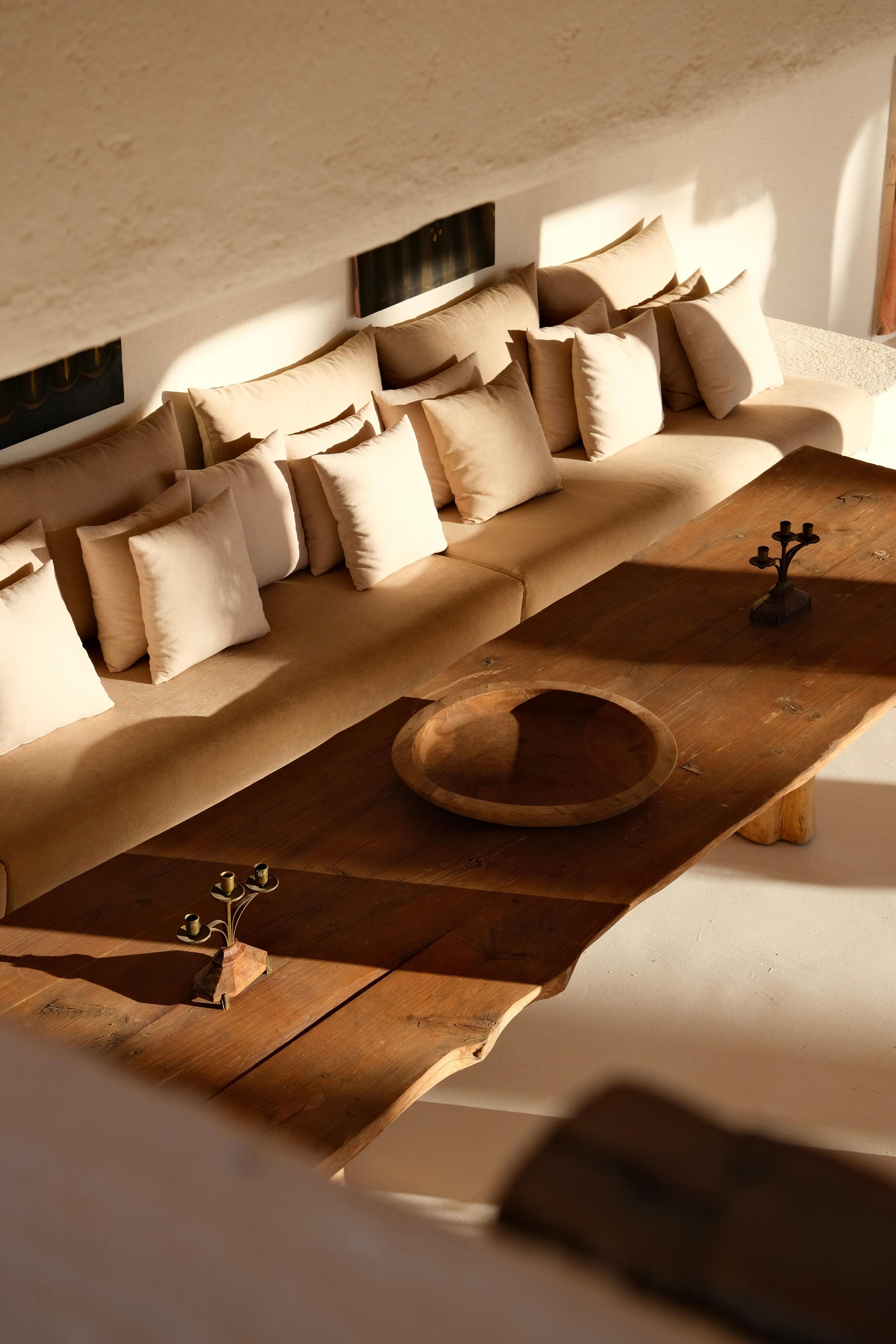
Much of a villa's character lives outdoors, and so does much of the week. A terrace is only as good as its hours of shade. Find out which way the main terrace faces and where the sun falls in the morning and in the afternoon, since a place that is delightful at breakfast can be unusable at four. Look for a table in the shade, not only loungers in the sun.
If there is a pool, consider who it is for. A pool that suits strong swimmers may not suit small children, and the reverse is also true. If young children or less confident swimmers are in the group, ask whether the pool is fenced and gated, how deep it is, and whether there is any other water on the property. The garden matters too: is it private, do neighbours overlook it, and what do the evenings sound like?
How far from everything is right
Location shapes the rhythm of a week as much as the house does. A villa with a view and a long drive to the nearest shop is a different holiday from one a few minutes' walk from a market and a harbour. Neither is better. They suit different groups.
Work out how far it is to the nearest shop, to a decent place to eat, and to the sea or the village you have in mind. More to the point, consider who will be driving. Rural roads are less pleasant after dark, and a house that needs a car for everything depends on one person being willing to drive every time. If the group includes people who do not drive, or who would like a glass of wine at dinner, nearness matters more than the view.
Remoteness also brings quiet, and quiet is what many people want from a week away. The point is to choose it deliberately rather than discover it on arrival.
Reading the listing
Interiors are often photographed with wide lenses, which can make rooms look larger and the distances between them shorter. That is a common way to photograph a room, but it is worth looking for what the images leave out. Is there a photograph of every bedroom and every bathroom? Of the kitchen from more than one angle? Of the outdoor table, and of the view the terrace actually has? A gap is not proof of a problem, but it is a good question.
Read the description for specifics. Measurements, floor levels, the type of heating or cooling, the distance to the nearest village in minutes, and the way the owner describes the neighbourhood tell you more than adjectives do. Read recent guest reviews for patterns rather than single verdicts. If several people mention the same thing, whether it is road noise, water pressure or the generosity of the host, it is worth looking into before you book, perhaps by asking the owner or manager about it directly.
How an owner or manager responds to your questions is also useful to know. A prompt, precise reply is reassuring, though it is no substitute for having the details confirmed in writing.
The costs and terms that change the week
The nightly or weekly figure may not be the whole price. Before comparing properties, ask what, if anything, is charged on top of it. Practices vary from one property and place to another, so it is worth checking cleaning fees, a security deposit and how it is returned, local or tourist taxes, charges for heating a pool or running air conditioning, and the cost of linen, towels or a change of sheets midweek. Check whether there is a minimum stay, and which days the week must begin and end.
Terms matter too. Check the maximum number of guests, whether day visitors are allowed, and what the house rules say about noise in the evening. Check the cancellation terms and what happens if you need to change dates. Ask about check-in and check-out times and how keys are handed over, since a late arrival at a house in the countryside is a different matter if nobody is there to meet you.
Some properties include a housekeeper, a cook or a welcome shop. Others do not. Neither is better, but you should know which you are booking.
Before you commit
By now you will have a picture of the house and of the week. It is worth confirming a few things in writing: the number and arrangement of bedrooms and bathrooms, the bed configuration, what is included in the price and what is extra, how far the nearest shop is, the cancellation terms, and anything that matters to your group in particular, such as a ground-floor bedroom, a fenced pool or a quiet corner to work for an hour. A written answer is useful if anything turns out differently on arrival.
A smaller house can be the right one
It is easy to assume that more space is always better. A very large house can suit a large group beautifully and leave a small one rattling about, with rooms nobody uses and a long walk to the kitchen. A smaller house with one good table and a garden everyone uses often creates the closeness people hoped for.
The same applies to budget. A modest house that suits the group will give a better week than a grand one that does not. Where there is money to spend, it is usually best spent on what you will notice every day: a bedroom each, a bathroom that is not shared by too many, shade, and a place you will enjoy being in.
Where to look next
Once you know what the week needs, you can compare real properties against it: how the bedrooms are arranged, how much kitchen and dining space there is, where the shade falls outdoors, how far the nearest village is and what the booking conditions say. Exploring a collection of villas is a natural next step, particularly where you can see each property's location, accommodation and practical details before deciding, and set them beside the questions in this guide.
The best house for a week is rarely the most impressive one. It is the house in which, by the fourth day, nobody is thinking about the house at all.
Keep this one
Save it to Pinterest.
Share this story
The Twenty Acres Club
An archive of things worth noticing. Receive our private seasonal notes on the wardrobe, the house, travel and the small details that make a life its own.