
A House Somewhere Else
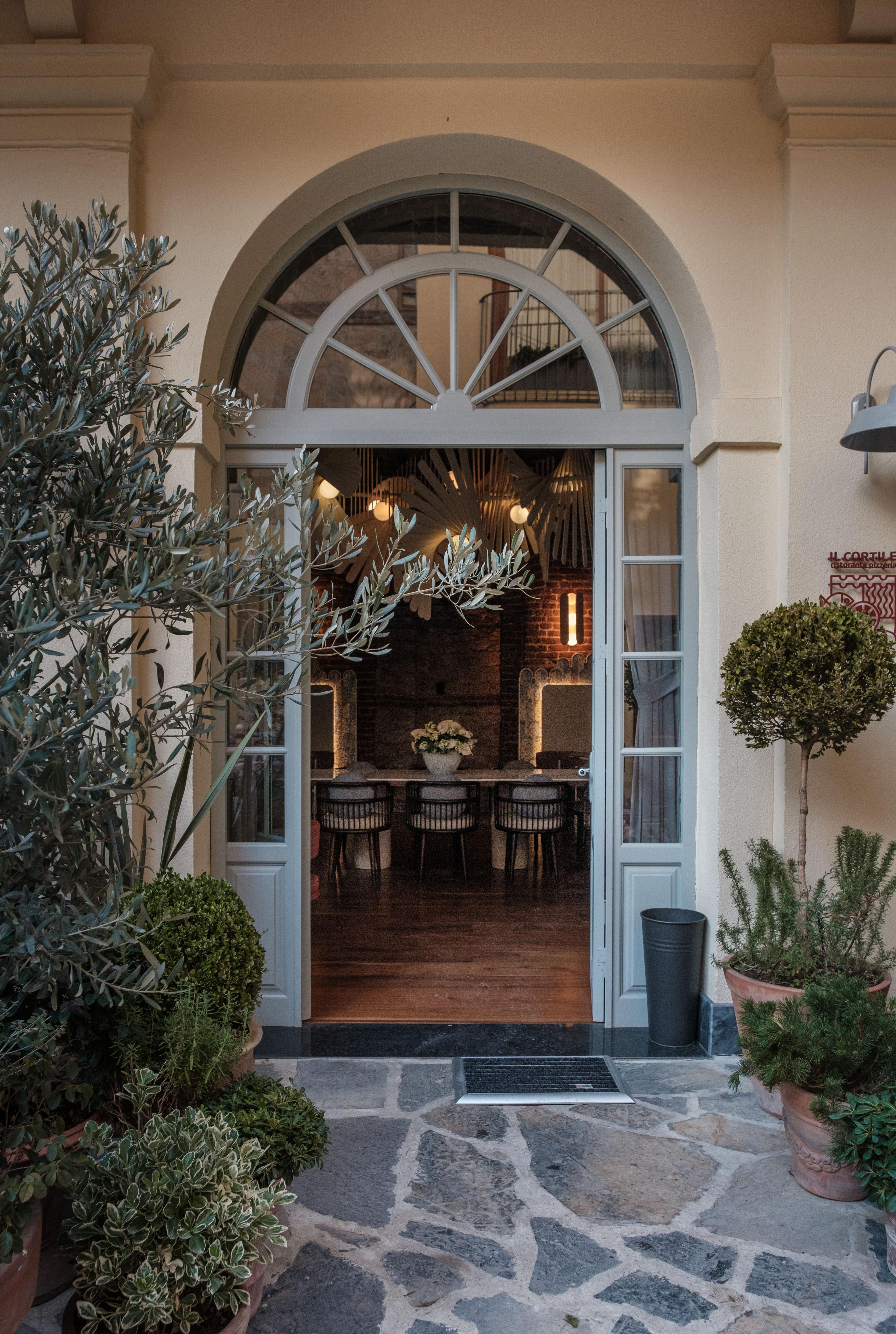
On the difference between staying in a place and living in it, even for a few days.
You wake before you know where you are, and then the ceiling tells you. It is the wrong height. A crack runs across the plaster like a river on a map. The bed faces a wall you do not recognise, and somewhere below a pipe ticks as the house warms, so you lie still and work out where the stairs must be, because here nobody is going to show you.
That is the first difference. A hotel explains itself: a corridor of numbers, a lift, a sign pointing to breakfast. A house explains nothing. You go down in whatever you slept in, one hand on the rail, opening doors. A cupboard of folded sheets. A room of someone else's books, shelved in an order that makes sense only to them. A row of hooks in the hall, and on one hook a waxed jacket that is not yours and will hang there all week like a polite stranger.
The order a house reveals itself in
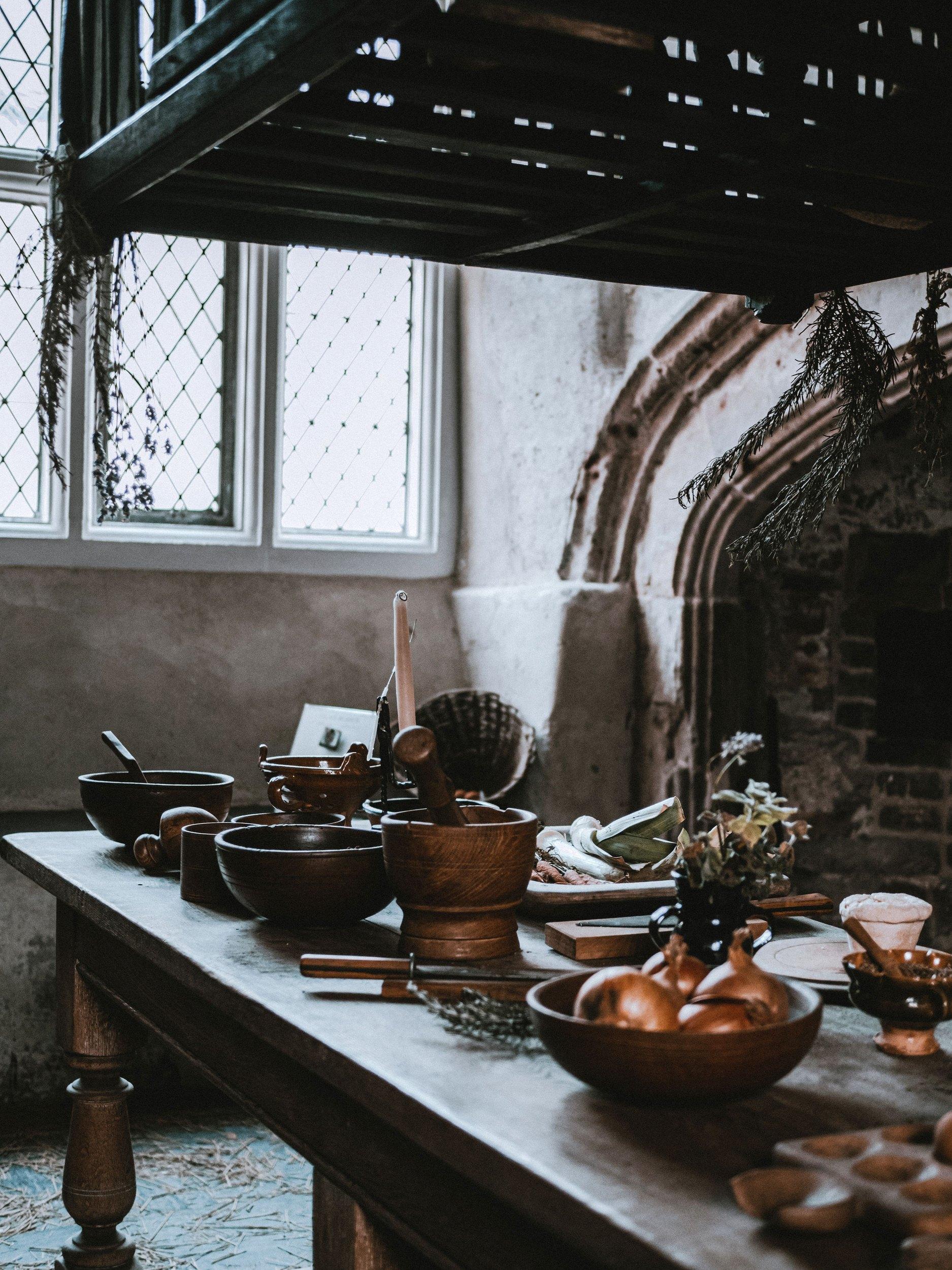
A house shows you its rooms in the order you need them. The kitchen comes first, because there is no one to bring you coffee. The kettle is not where you would have put it. The mugs do not match, and one has a chip you will have found by Sunday and learned to avoid. There is a drawer of string, a jar of matches, a tin with a single teabag in it, and a note on the fridge, in handwriting you will come to know, saying which switch is the hot water, which is the oven, and that the back door sticks.
Then the windows. It is a strange pleasure to find out what a house looks out on by opening it, one pane at a time: a lane, an orchard, a neighbour's roof, the corner of a garden that someone clearly loves and someone else has been asked to water. Each window is a decision made years ago by people who are not here, about what ought to be seen from the sink.
And then outside, which in a house is not scenery but part of the building. The path to the gate. The step worn into a dip. The way to the bakery, which arrives as a line of instructions on the fridge note and which you revise, by the second morning, into a shortcut of your own. A hotel has a location. A house has surroundings, and you learn them with your feet.
A house is also a portrait of other people, and you are allowed to look. The books, the cushions that have settled into the shapes of particular backs, the recipe copied out in pencil and tucked into a cookery book, the tools hung on the shed wall in the order of someone's habits. You are not prying. The house has put them out. To live for a few days in someone else's arrangement is to be a guest of the house as well as its occupant, and the discipline of it, of moving carefully through a life that is not yours, is part of the pleasure.
Researchers who study place attachment, among them Leila Scannell and Robert Gifford, describe the bond between people and places as having three strands: what a place makes us feel, what we understand it to mean, and what we do in it. Most of that work concerns homes and neighbourhoods built up over years, and it has little to say about a long weekend. But it is hard to read the third strand without noticing how much of it a rented house demands in the first hour. You cannot feel at home somewhere you have not yet used. That is our reading, not theirs.
The first routines
By the second morning you have a mug. Everyone does. It is not the best one. It is the one that has begun to be yours, and the fact that nobody assigned it is part of the pleasure. You know which stair complains. The bag lives in a particular corner, alongside the few things from home that you did not need and brought anyway. Your glasses sit on a particular sill, and when you reach for them without looking and they are there, you have, in a very small way, moved in.
The first shop is its own small ceremony. You buy the things the house does not have: milk, salt that is not three years old, something for the first dinner. It is a small claim. A pantry that was someone else's now contains a loaf you chose, and on the shelf by the stove your olive oil stands next to theirs.
On the first night the house is louder than you expected. Floors settle, a fridge hums, an owl or a neighbour's dog keeps hours of its own. By the third night you have stopped hearing them, which is as near as you can come to a measurement of how at home you are. The sounds that were new have become the sounds of the place.
Routines in a borrowed house form quickly and without an audience. In your own house they are inherited, shaped over years by everyone who has lived there. Here they are made fresh, by you alone: when the first coffee happens, whether you eat standing at the counter, which chair is the reading chair. You do not decide any of it. It simply settles, the way water finds its level.
The difference from a hotel is not quality. A good hotel looks after you, and there is a real pleasure in being looked after. A house offers something else. It hands you the keys. It lets you look after a place instead, to fill the kettle and shut the shutters at dusk and put the bins out on the right night, and to find that these small responsibilities, which can feel like a burden at home, are a kind of company.
Another arrangement
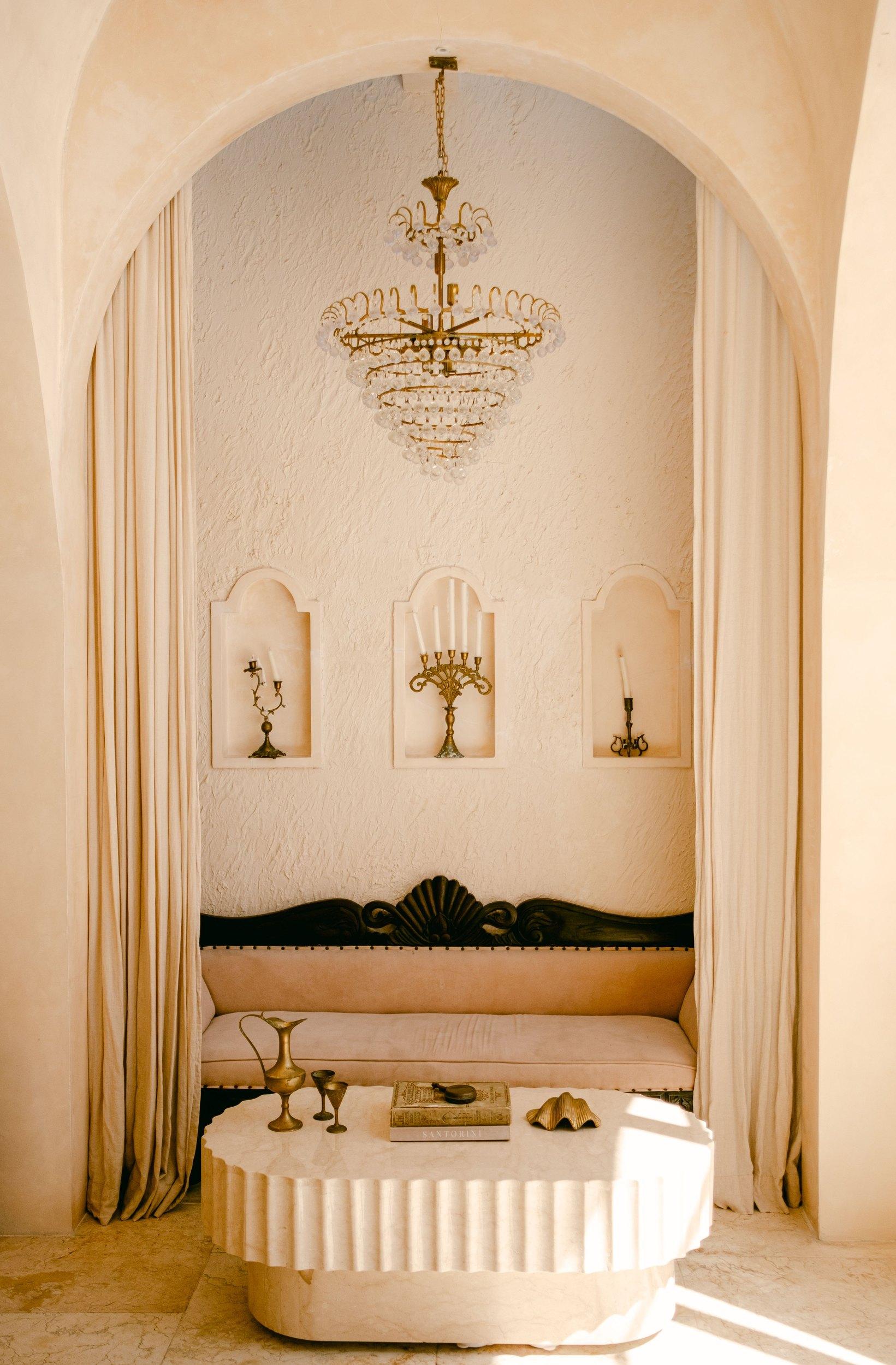
The deeper pleasure arrives around the third day, and it is a kind of speculation. Standing at a kitchen window that is not yours, you begin to imagine another arrangement of ordinary life. What would it be to live where the table is the largest thing in the house and the television is a small matter in another room? Where the bread is a walk away and the bedroom has only a bed in it and a view?
None of this is a plan. It is closer to trying on a coat. A house that is not yours lets you find out which parts of your own life are choices and which are simply furniture. You notice that you eat at the table here, all of you, because the table is the obvious place. You notice that you walk, because the lane is there. You notice that you reach for your phone less often when your hands are busy with a loaf and a knife. These observations cannot be generalised, and they are not discoveries about anyone but you. They add up, though, to a version of yourself tried out for a few days in different surroundings, and that, more than the view, is what a house can offer that a room cannot.
It is a particular way of travelling. A farmhouse with a flagged kitchen, a cottage above a harbour, a villa with its shutters half closed against the afternoon: houses like these are often let by the people who own them, and they ask a little more of a visitor than a hotel does. You find the shops. You learn the heating. You decide when to eat. In return you are given something a hotel, however good, is not built to give, which is the chance to be, for a short while, the person who lives there.
Leaving
On the day you leave, the house asks something of you again. There is no checkout, only the small work of leaving a place fit to be lived in by someone else: the beds stripped, the mugs washed and put back on the wrong shelf, the back door pulled hard because it sticks. You are leaving a house, not a room, and the difference is in your hands.
You do not take much away. A habit, mostly. A week later, in your own kitchen, you notice that you have begun to make the first coffee standing at the window instead of the bench, as you learned to somewhere else. It is a very small change, and the house you left would not know it had caused it.
Keep this one
Save it to Pinterest.
Share this story
The Twenty Acres Club
An archive of things worth noticing. Receive our private seasonal notes on the wardrobe, the house, travel and the small details that make a life its own.