
How to Choose a Hotel You Will Remember
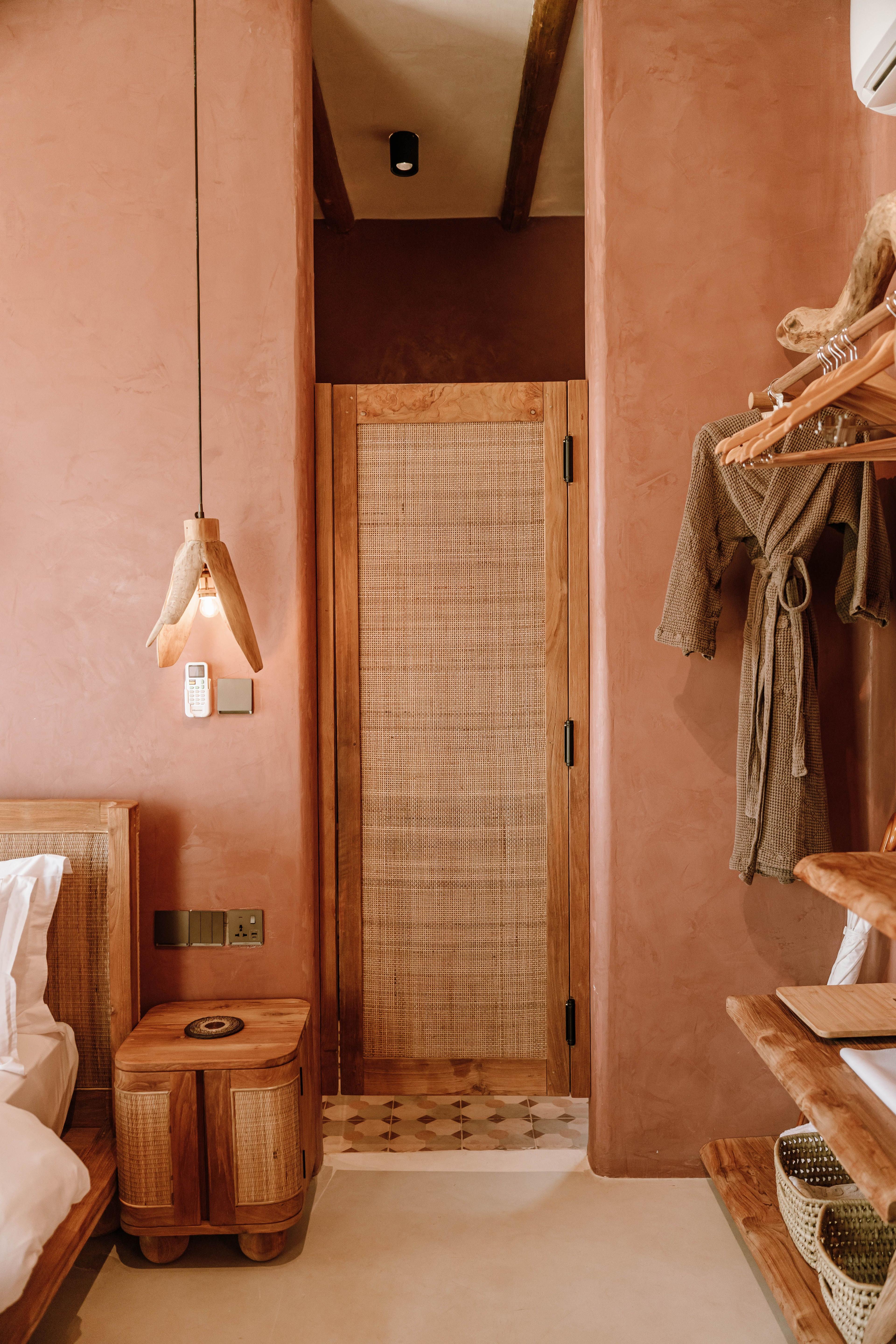
A hotel is nearly always chosen from a distance and remembered from close up. You choose it from photographs of a lobby, a bed and a pool. What you remember some months later is smaller than any of them: the temperature of the room when you first came in, the sound of the corridor at ten o'clock at night, whether breakfast was a pleasure or a transaction, the way someone said good evening as you passed the desk.
This is why choosing a hotel you will remember depends on understanding what you want the stay to do. Some stays are meant to be restful. Some are meant to mark an occasion. Some are meant to put you in the middle of a city with the evening in your hands. A hotel that is memorable for one of those purposes can be entirely forgettable for another.
The better question is not whether a hotel looks impressive, but whether its particular qualities are the ones you will appreciate once you are there.
Start with what the stay is for
A single night after a long drive, a long weekend with someone you love, a week in a city you have always wanted to see: each asks something different of a hotel. For one night, an easy arrival and a quiet room matter most. For a long weekend, the breakfast, somewhere pleasant to sit and the hours between meals begin to count. For a week in a city, location matters, along with a room you will be glad to return to at the end of a long day.
It helps to put the purpose into a sentence before you start looking. It becomes an honest filter, and it protects you from choosing a hotel because it is admired rather than because it suits the trip.
The room matters more than the name
A hotel is a collection of rooms, and they are not all the same. Many hotels sell several categories at different prices, and the difference between two rooms in one hotel can be larger than the difference between two hotels. A well-chosen room in a modest hotel can give a better stay than a standard room in a famous one.
Look closely at what the room is. Which way does it face: a courtyard, a garden, a street, a service area? Which floor is it on? Is there somewhere to sit that is not the bed, and enough light to read by in the evening? Is the bath a bath, or a shower with a curtain? Ask for the size in square metres, and check whether the room in the photographs is the category you are booking, since the images may show a different one.
It is entirely reasonable to write to a hotel and ask for a particular kind of room: quiet, high up, away from the lift, facing the garden. Requests are not always guaranteed, but a well-run hotel will tell you honestly what is possible, and how it answers is useful information in itself.
Location sets the rhythm of the stay
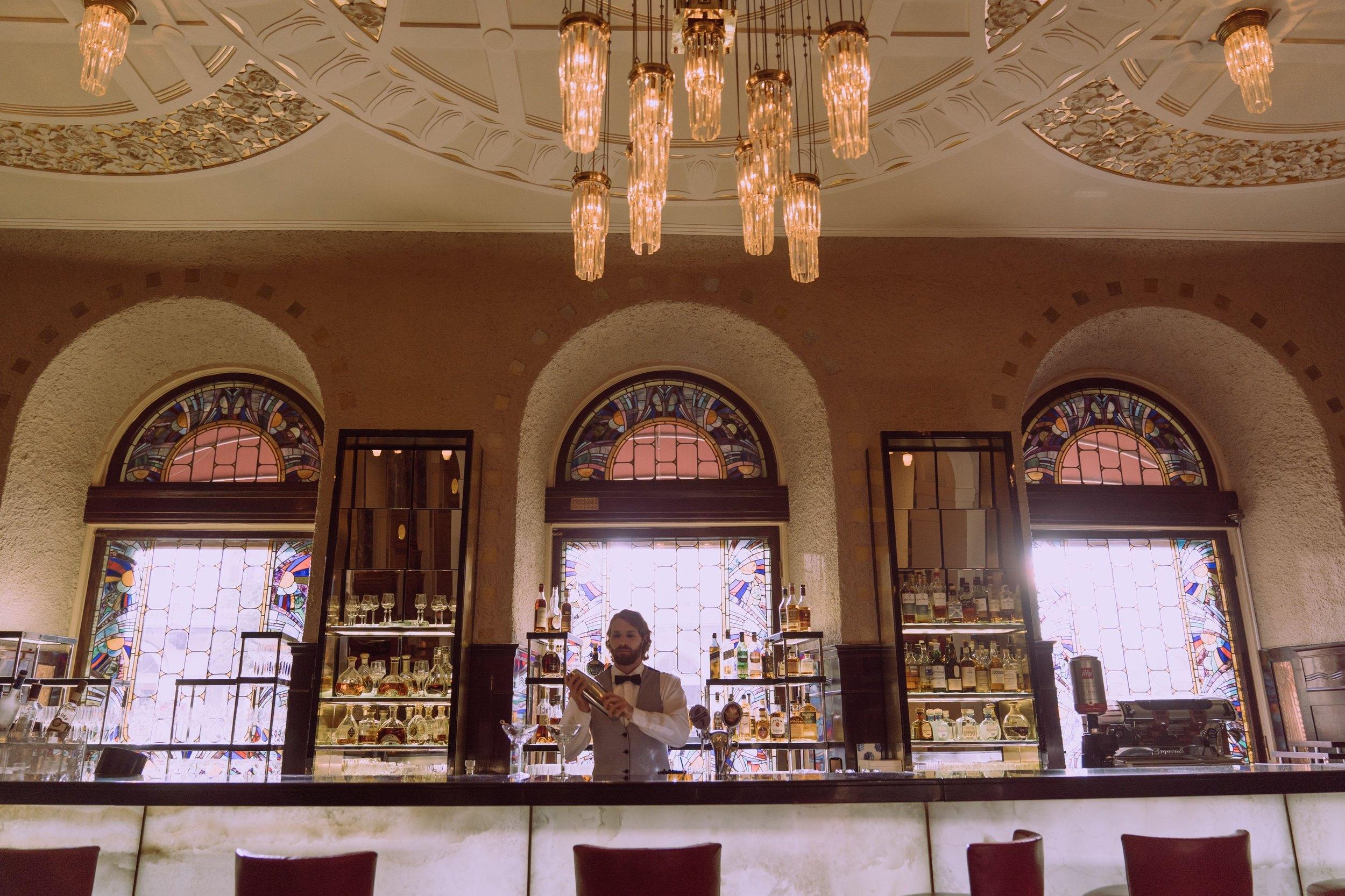
Where a hotel sits decides how the days go. A hotel in the centre of a town lets you step out for coffee, wander back at four and walk to dinner without a second thought. A hotel set in gardens a little way out gives you quiet and the sense of having properly arrived somewhere, but it asks you to plan your outings and perhaps to depend on a taxi or a car.
Each has a price. A hotel in the middle of things may be noisier at night. A hotel at a distance may be lovely at breakfast and tiresome by the third evening if you want to explore. It is worth asking yourself whether you want the hotel to be the destination or the base. Then check how long the walk is to the places you actually want to reach, how you will arrive, and what the street sounds like after dark.
The details that carry a stay
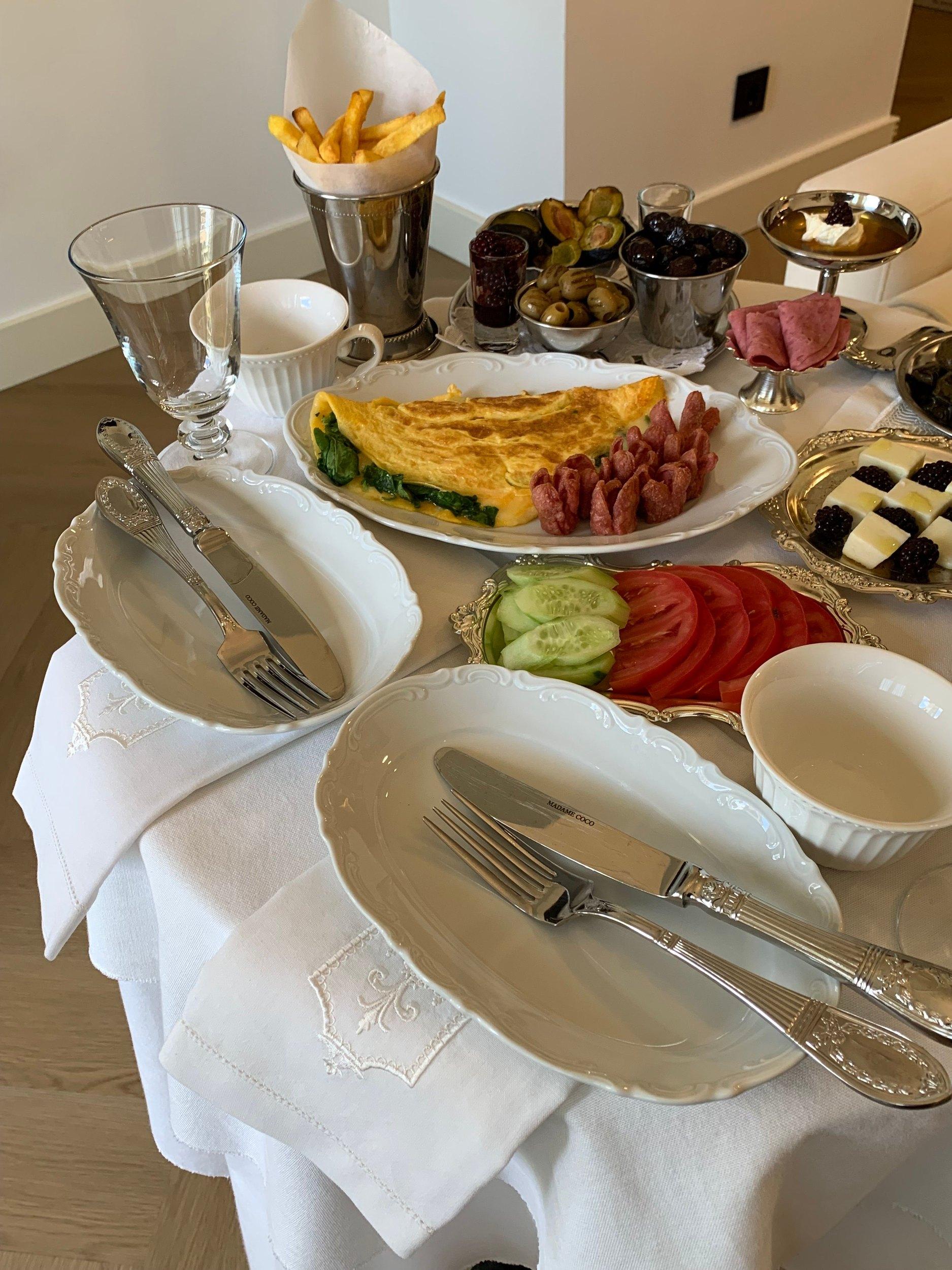
The things people mention when they speak fondly of a hotel are rarely the large ones. They are a breakfast taken without hurry, with the table properly laid and good bread. Linen that has been chosen with some care and a bed that is comfortable. A lamp that gives a soft light. Doors that close quietly. Hot water that arrives promptly. A bar or garden where you can sit without feeling obliged to order a great deal. Someone who remembers your name, or who simply notices when you look unsure which way to go.
None of this appears in a star rating, and most of it is visible only if you look. Check when breakfast is served and until what time, and whether it is included. Look for somewhere to sit that is not your room. See whether the hotel says anything specific about its service: luggage storage, late check-out, an evening turn-down. Specific details about how a hotel operates often tell you more than a page of adjectives about its atmosphere.
Reading what a hotel says about itself
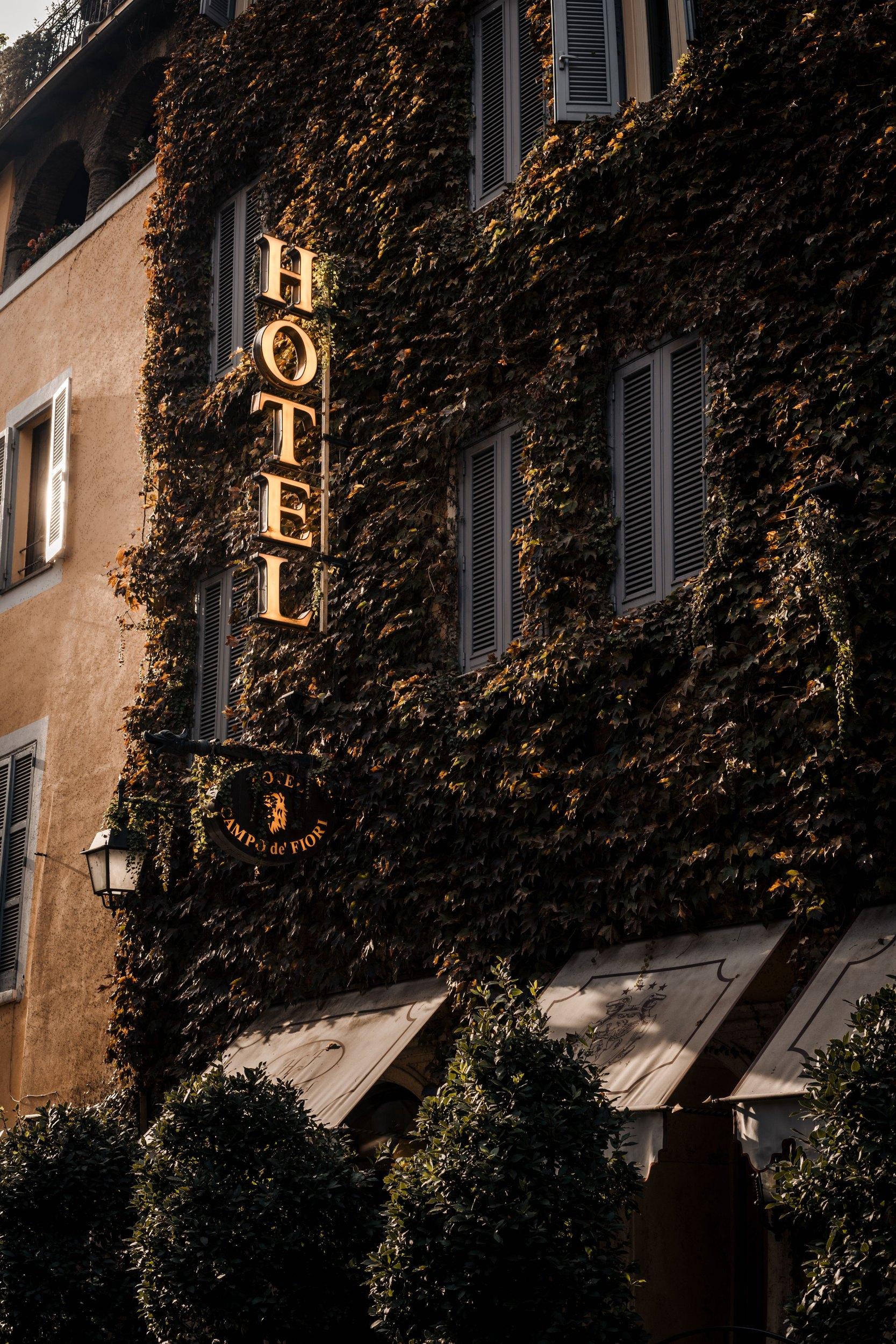
Words such as boutique, intimate, charming and refined are used so widely that, on their own, they are hard to compare. Look also for concrete detail: room sizes, the number of rooms in the hotel, the hours of the restaurant, the months the pool is open, what is being renovated and when.
Recent guest reviews are worth reading for patterns rather than verdicts. One glowing review or one complaint says little. Several people mentioning the same quiet courtyard, the same slow lift or the same warmth at reception is a pattern worth noticing, and worth raising with the hotel if it matters to you. Notice how the hotel replies to criticism too. A measured, specific reply shows something of how it responds when things go wrong, though it is only one signal.
Check the dates as well. A hotel can change a great deal between one season and the next, under new management or during building work, so the most recent reviews are the most useful.
Paying for the right things
A memorable stay does not depend on spending as much as possible. It depends on spending where you will feel it. For many people that is the room itself: a better category, a quieter position, a view of something. For others it is the location, or breakfast, or a flexible rate that leaves room for plans to change.
It is equally reasonable to spend less. A small, well-kept hotel with a good breakfast and kind staff can be remembered long after a more expensive one is forgotten. Consider what you will really use. A spa you will not visit, a restaurant you will not eat in and facilities you will not have time for are costs you do not need to carry.
Before you book
A few questions are worth settling beforehand. What is included in the rate, and what is added: breakfast, taxes, service or resort charges, parking? What are the cancellation terms, and does the lower rate lock you in? What time can you check in, and what can the hotel do if you arrive early or late? If you are marking an occasion, what can they arrange, and will they confirm it in writing?
If you have one or two specific questions, write to the hotel with them. You will learn what you wanted to know, and you will have a small sense of what it is like to be looked after by them before you have committed to anything.
Choosing for the trip you are taking
A hotel that is ideal for a quiet weekend may be a poor match for someone who wants to walk everywhere. A beautiful old room may come with thin walls, a small bathroom or no lift. A hotel chosen for its restaurant is an excellent choice if dinner is the point of the trip, and a less obvious one if you will be out every evening. No hotel suits every purpose, and the most you can do is match its strengths to the stay.
Once you know which of these matters most to you, the choice usually becomes clearer, and often simpler than you feared.
Where to look next
With a clearer sense of what the stay is for, you can start to compare actual hotels on the things that will shape it: which room categories are on offer and what separates them, where each hotel sits, how breakfast and service are described, and what the booking terms allow if plans change. If you would like to continue, look for places where those details are set out clearly for each hotel, so that the comparison rests on specifics rather than adjectives.
The hotels people remember are seldom the ones that tried hardest to impress them. They are the ones that understood what the stay was for.
Keep this one
Save it to Pinterest.
Share this story
The Twenty Acres Club
An archive of things worth noticing. Receive our private seasonal notes on the wardrobe, the house, travel and the small details that make a life its own.