
The Things That Make an Ordinary Day Feel Beautiful

The kettle is on before the day has properly begun. Outside, the light is doing something it does every morning and will do again tomorrow, unremarked. Somewhere in the house a cup is chosen, not the nearest one but a particular one, and for a moment nothing else is happening. Then the morning starts in earnest, and the moment is gone.
It would be easy to say the day that follows is ordinary, and in most respects it is. There will be washing to bring in, emails to answer, the same walk to the same station. Nothing in it will be photographed or repeated to anyone. And yet that first cup, made rather than merely obtained, has already made the day feel slightly different from a day in which the kettle was simply switched on and the coffee simply appeared, drunk on the way out the door and barely tasted. Nothing objective has changed. The tea is the same tea it would have been either way. Something has changed regardless, and it is worth working out what.
Routine and Ritual
It is tempting to think the difference between a routine and a ritual is the action itself, as though some tasks are ordinary and others are meaningful by nature. It rarely works that way. A routine is something done because it needs doing, on the way to something else. A ritual is the same action with attention added, so that for the length of it, the action is the point rather than the means. The two can look identical from the doorway. Only the person doing them knows which one is happening.
This is not a fixed rule, and it would be a mistake to treat it as one. The same act can be a ritual on Tuesday and a routine on Friday, depending on what else is happening and how much attention is left to give it. Some days there is none to spare, and the coffee is simply coffee, drunk standing up, forgotten by the second sip. That is not a failure. A life made entirely of ritual would leave nothing spare for the days that need to be got through quickly, and most days do need that. It is simply what makes the days when attention returns, even briefly, worth noticing when they arrive.
Why Attention Matters
Psychologists who study ritual, rather than the anthropologists who have studied it for longer, have started to ask what it actually does, and their answer is more specific than the word usually suggests in everyday conversation. One recent review of that research, drawing together decades of experiments across social psychology and cognitive science, described three broad things rituals seem to do: they help regulate emotion, they prepare people for something that matters to them, and they mark or strengthen a connection, to another person or simply to the moment itself. None of this depends on the ritual being religious, or collective, or old, or performed in front of anyone. The same regulatory work the review describes can, in principle, be done by a private, repeated, wholly ordinary action, done alone in a kitchen before the rest of the house is awake, on a far smaller and quieter scale than the review's own examples usually involve.
There is also more specific evidence that the ritual itself, not just the outcome, changes how something is experienced. In a series of experiments, people who performed a small structured sequence of actions before eating, tapping a particular rhythm, unwrapping something in a particular order, rated the food that followed as more flavourful and more valuable than people who ate the same food without the sequence. Watching someone else perform the ritual didn't produce the same effect. It had to be done, not observed. The chocolate itself hadn't changed. What had changed was the attention brought to it beforehand.
A separate body of research on what psychologists call savouring, the deliberate act of attending to and extending a positive experience rather than letting it pass, has found a real and fairly consistent effect on how people feel afterwards, gathered across dozens of controlled studies of people asked to do exactly that: to pause on something pleasant rather than move straight through it. None of this proves that any particular ritual works, or that everyone who lights a candle or makes tea properly will feel measurably better for it. The studies tested short, structured exercises, not a life. What they suggest, modestly, is that attention is not a decoration added to an experience after the fact, something applied afterwards to make a moment sound better than it was. It appears to be part of what the experience is made of, in the moment it is happening.
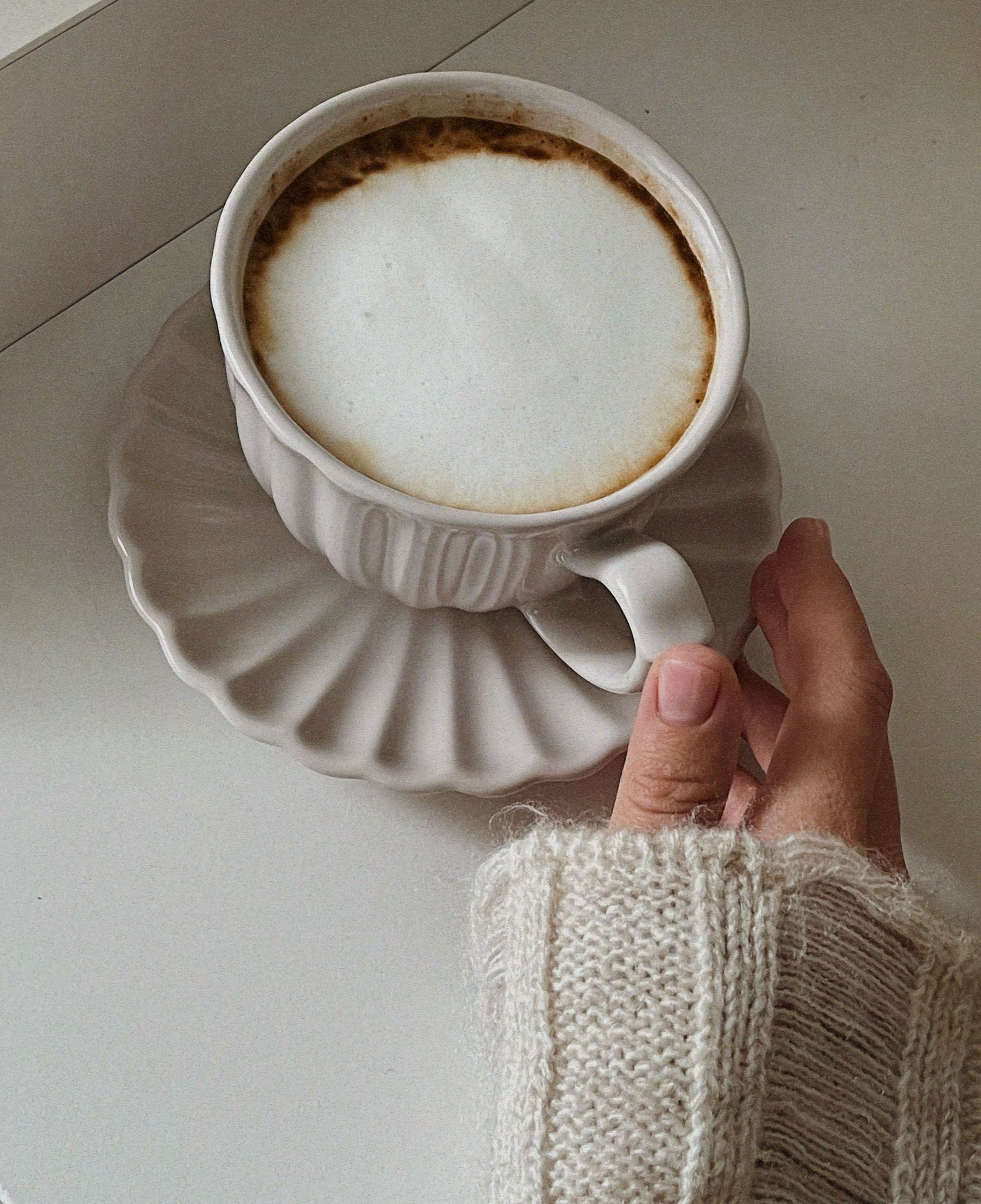
The Morning
Coffee made by hand rather than by machine, or tea properly brewed rather than left to steep while something else is done, belongs to this category more than most people give it credit for. The measuring, the waiting, the small decision about how strong or how weak, is not efficient, and it would be hard to argue otherwise. It takes longer than the alternative and produces, by most measures, an identical result: the same beans, the same leaves, roughly the same cup at the end of it. And yet in the small experiments that have tested this directly, using chocolate and lemonade rather than coffee, people who went through a version of that sequence themselves, rather than having the same thing simply handed to them, reported enjoying it more and rated it as more flavourful, even though the chocolate and the lemonade were identical either way.
The rest of the morning offers the same small choice, repeatedly, usually without announcing itself as a choice at all. Breakfast eaten at a table rather than standing at a counter. A few minutes with the curtains open before checking anything on a screen. The bed made before leaving the room, not out of tidiness but because an unmade bed has a way of following a person around the rest of the day. None of it changes the shape of the day that follows, or the list of things still waiting to be done in it. What it changes is whether the day had a beginning, something to look back on later as the point at which it started, or simply started, the way water starts running the moment a tap is opened.
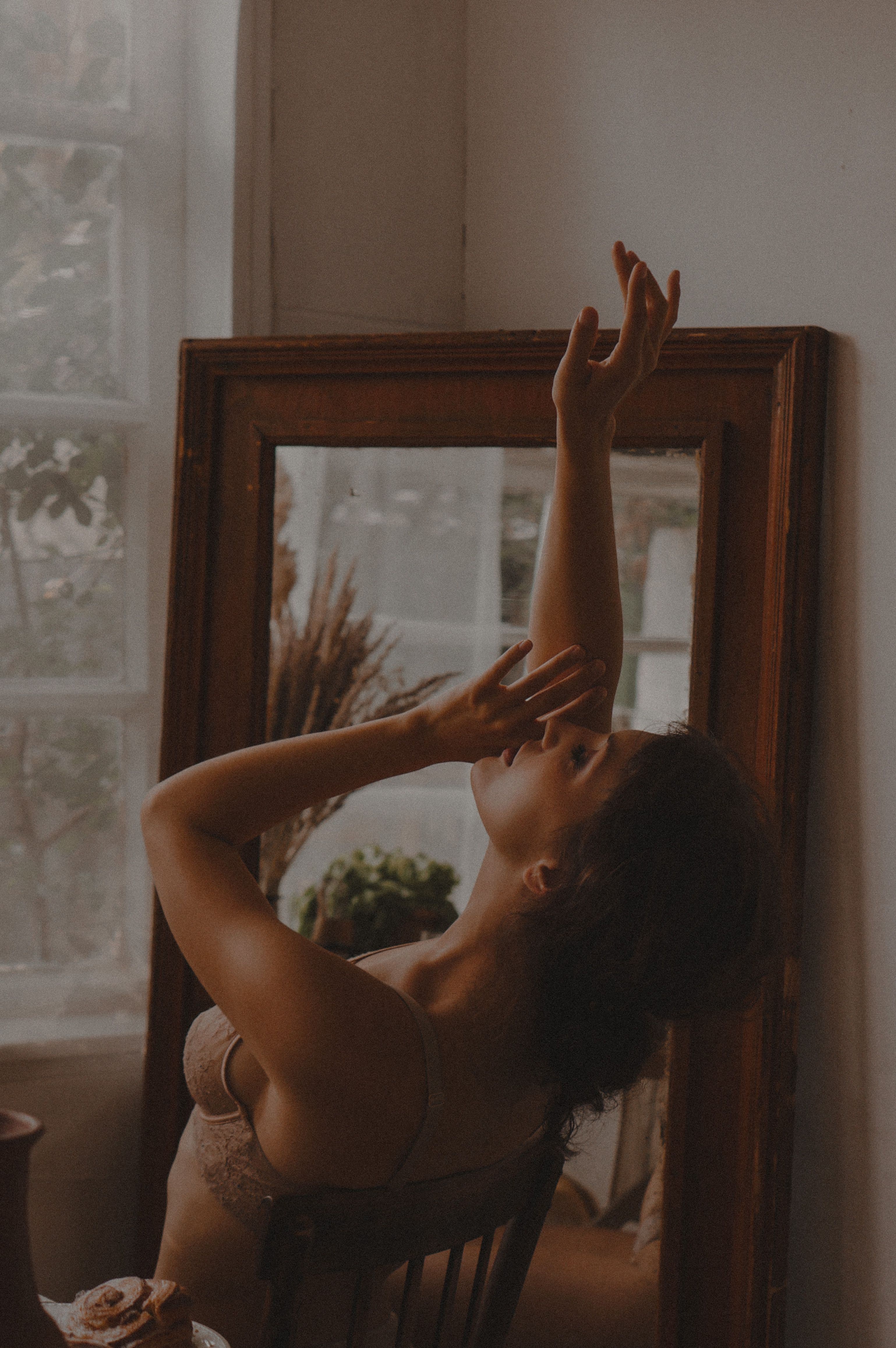
The Body
Some repeated movement, done regularly enough to become familiar rather than remarkable, offers something particular: not transformation, but the accumulation of knowing a body a little better than before. Pilates has stayed relevant for the better part of a century, and part of its appeal is that it asks for return rather than novelty. It rewards the return more than the effort, and the reward is a kind of attention, to how a shoulder moves, to where tension has been carried without being noticed, that has nowhere else to happen in an ordinary week.
A sauna, or simply the quiet that follows one, works on a slower register. It isn't the heat that does the work so much as the interval after it, sitting still with nothing required of the body or the mind, before the ordinary business of the day resumes. Walking does something similar over a longer stretch, provided it is walking rather than merely getting somewhere: the same street noticed differently because there is nowhere urgent to be on it. A shower taken as a transition rather than a task, with a few extra minutes and perhaps a candle lit for no one but yourself, belongs in the same category. It needs no audience and no occasion, no one arriving later to notice it was done. That is rather the point of it.
The House
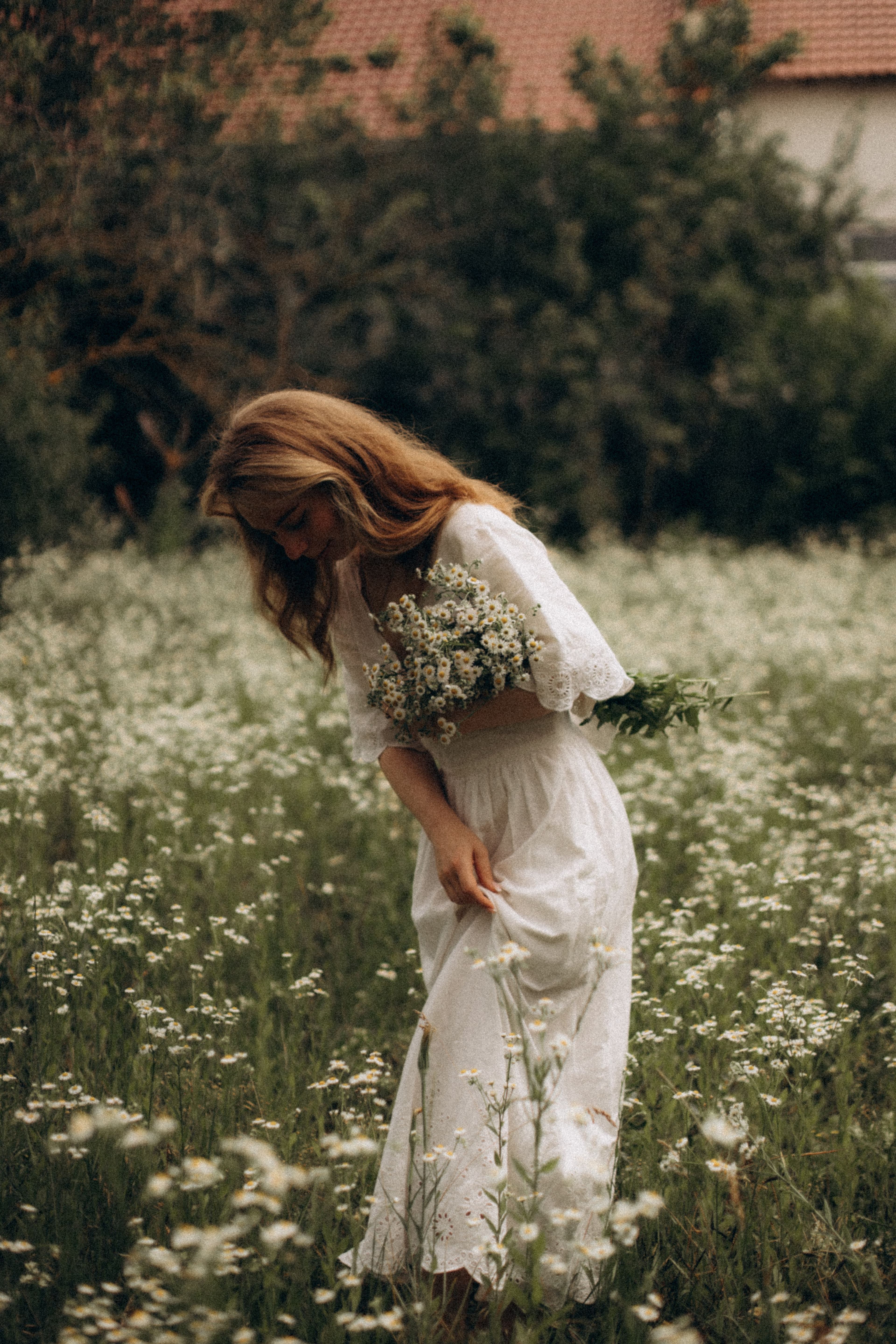
A wardrobe of small domestic decisions offers the same choice again, usually without anyone noticing they are making it. Flowers bought for no particular reason, on an ordinary Tuesday rather than for a guest. The better glass used for a drink that will be finished in ten minutes rather than the everyday one. Music on while cooking, chosen rather than left to whatever plays.
None of these things need to be expensive or new. Silver polished occasionally and used regardless of tarnish, glasses kept for good reasons and used anyway, a jug found somewhere and filled with whatever is flowering nearby: what they share is not their cost but the decision to bring them into an ordinary day rather than save them for one that might not arrive. A candle burned down rather than kept in its box. A cloth on the table instead of nothing, taken off and washed the same as anything else that gets used. A house furnished entirely for best occasions, and lived in only around the edges of it, is a house where almost nothing gets used at all, and where the good things wait so long for their occasion that they stop feeling like part of the life being lived in the rooms around them.
Beauty
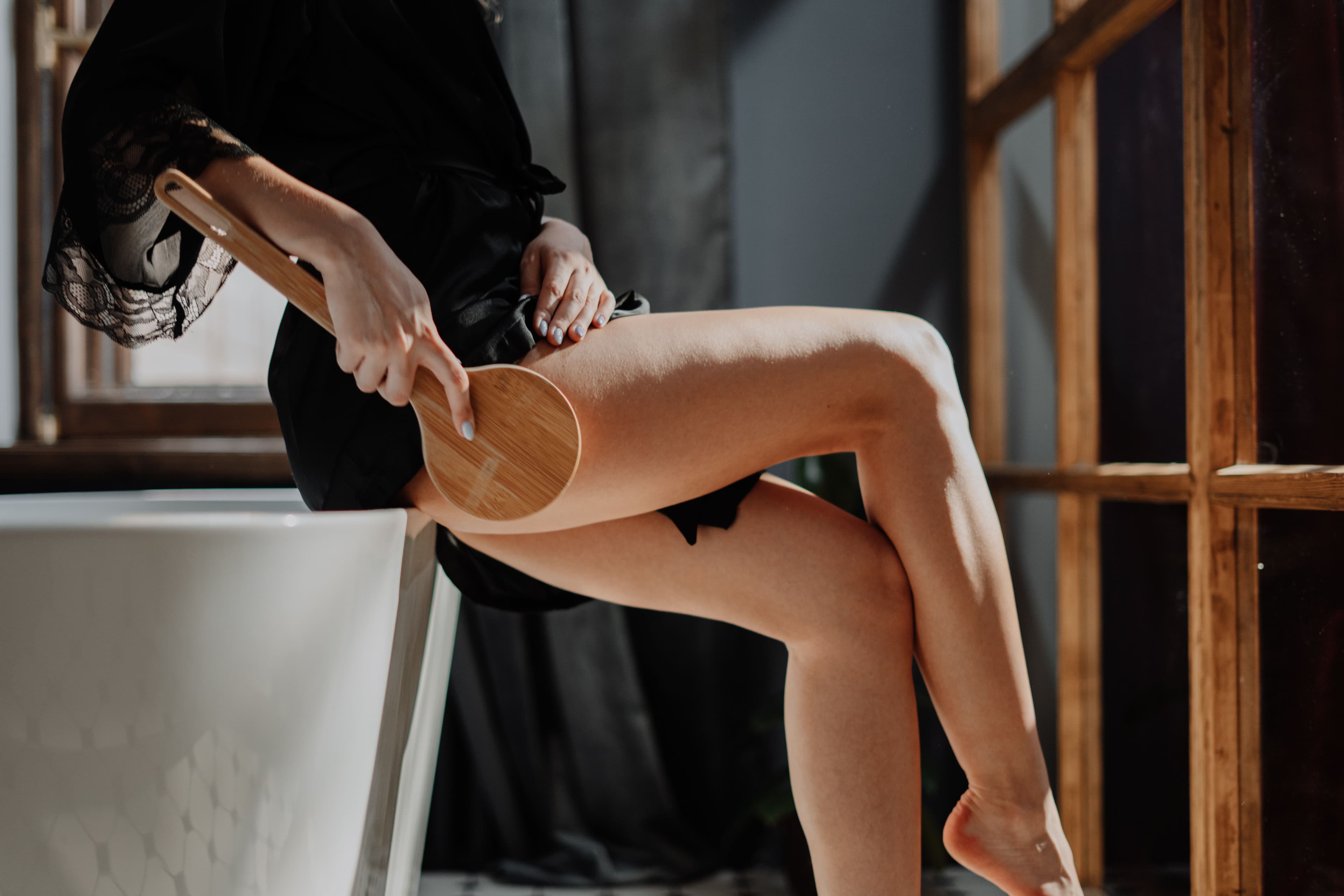
There is a particular pleasure in doing something to yourself properly rather than quickly, and it has very little to do with how it looks afterwards, which is worth saying because it is so easily assumed to be the whole point. Brushing hair with attention rather than haste, the way it was once taught to be done and mostly no longer is, changes the five minutes it takes almost as much as it changes the hair. A face mask applied with nowhere to be for twenty minutes, rather than wiped off after five because something else needs doing, is a different object from the same mask applied in a rush before bed. Nails done properly, with time set aside rather than fitted into a gap between other things, sit in the same category, as does the ordinary discipline of taking care over something nobody has asked to be taken care of. Perfume, chosen and put on deliberately rather than grabbed on the way out the door, works the same way: the ritual around it does something the scent alone doesn't.
None of this is about appearance, or at least not only about appearance, since most of it happens with no one else in the room to see the result. It is closer to what a well-kept hairbrush does over years of ordinary use: the value isn't in the object, or even entirely in the result, but in the small, repeated act of attention that the object makes possible, morning after morning, whether or not anyone else ever notices.
The Evening
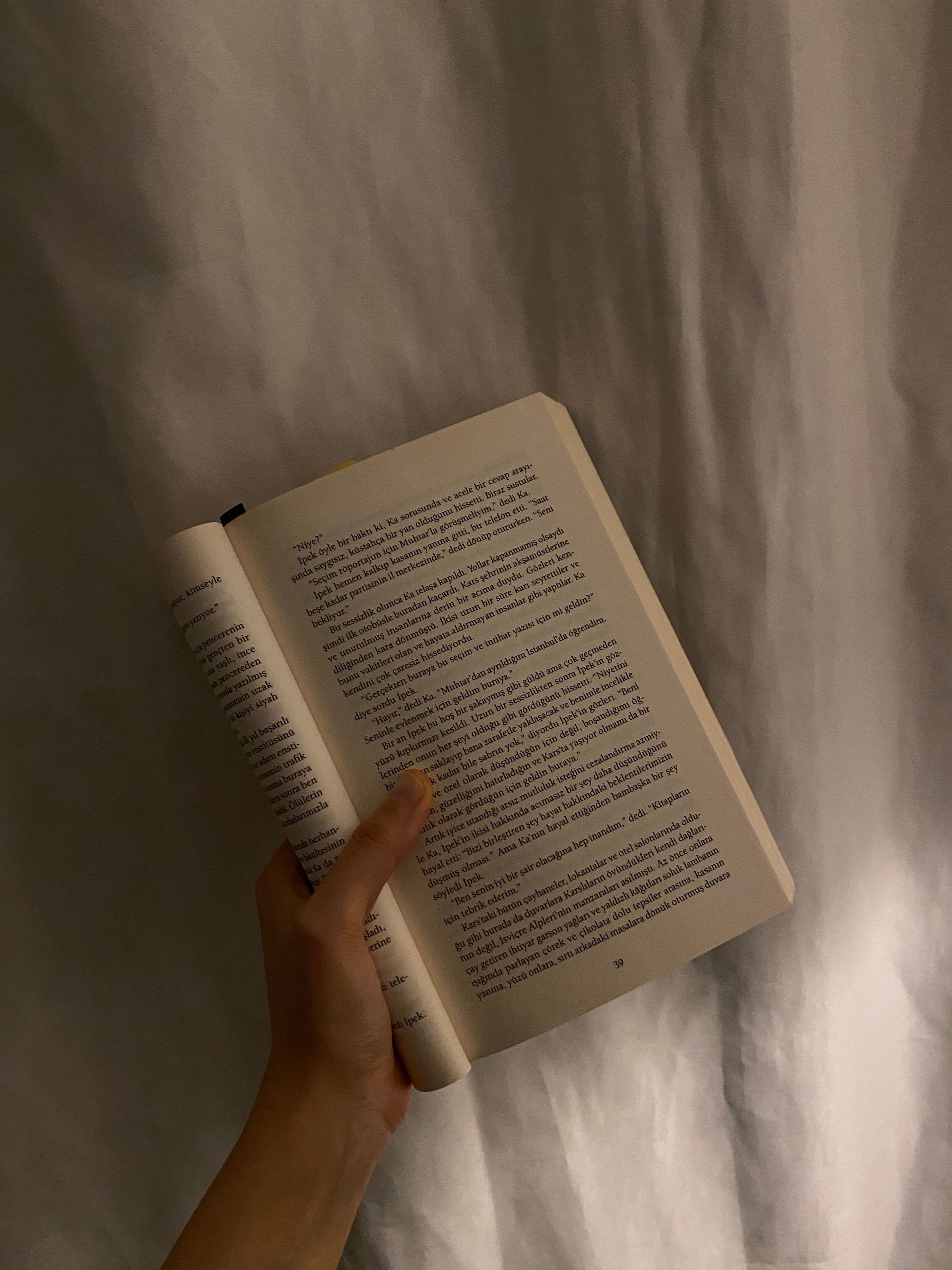
The evening version of all this is quieter and easier to miss, partly because the day is nearly over and attention is the thing most likely to have run out by then. A lamp turned on before the room has gone properly dark, rather than after, so the change happens gradually instead of all at once. Tea made in the evening the same way it was made that morning, without checking a screen while it steeps. A few pages read before sleep, not because they need to be finished but because reading, unlike most of a day, asks for nothing back and can be put down at any point without consequence. The room prepared, briefly, as though someone were about to arrive in it and needed it to be ready, even though no one is and nobody does.
It would be easy to make too much of this. Not every evening allows for it, and there is no failure in the ones that don't. A day can be entirely ordinary from beginning to end and still have been a perfectly good day. The point is not that every hour needs tending. It is that a few of them, chosen rather than assumed, change the texture of the ones around them.
What Changes
None of this makes a life more beautiful because any of it is expensive, or photographs well, or would impress anyone watching. Most of it, by design, has no audience at all. What it does is make a day feel inhabited rather than simply endured, and the difference between those two things has less to do with what happens in a day than with whether anyone was paying attention while it happened.
The kettle goes on again the next morning, the same as it did the day before. The cup is chosen, or it isn't. The day that follows will look, from the outside, exactly like the one before it. Whether it feels that way from the inside depends on something much smaller than anyone might expect: whether, somewhere in the middle of an ordinary hour, someone noticed they were in it.
Keep this one
Save it to Pinterest.
Share this story
Things worth noticing
A note from Twenty Acres, occasionally. New stories, beautiful things, and the details we're keeping.