
The 90s Beauty Rituals Worth Bringing Back
Ask someone to describe 90s beauty and the answer usually arrives as a list of things: brown lip liner, thin brows, frosted eyeshadow, an enormous blowout. Those images are real, and they're the ones that keep circulating. But they describe what was worn. They say much less about what was done.
What was done is harder to see in a photograph, and it's where the decade's better habits live. Hair was brushed out and given time to set. A lipstick was put on at a mirror, then kept until it wore down to its own shape. Nails were filed and painted a colour that asked for no attention. A bottle of scent stood where it could be picked up on the way out of the door.
None of this belongs to the 1990s alone, and the decade was no golden age. It also produced over-plucked brows and body glitter. But it's close enough to remember and far enough away to see clearly, and what stands out now is how much of its appeal lay in the getting ready rather than the look at the end of it. What follows is a case for borrowing those habits selectively, and leaving the costume behind.
The 90s Beauty Routine Was Really About the Ritual
A routine is a sequence you get through. A ritual is one you're actually present for, and the difference lives in small physical things: the weight of a brush in the hand, the rip of Velcro rollers coming loose, the click of a compact closing. The steps stay the same. What changes is whether they're something to finish or something to do properly.
The version of the 90s beauty routine worth borrowing has a sensible order to it. Hair comes first, because a set needs time to cool and can be left alone while everything else happens. Then skin and eyes, then hands, then the lip, which works best as the last thing added. Scent and jewellery belong at the door. Getting ready becomes a sequence with a beginning and an end, and the end is a small satisfaction in itself: you know when you're done.
It was never one look. The same decade gave us matte, supermodel-minimal skin, dark vamp nails, frosted blue eyeshadow and glitter. What ran underneath the differences, in the versions that hold up, was attention. Beauty took a handful of tactile objects and a little time, and it was allowed to take it.
A Good Hairbrush Was Part of the Ritual
Before any heat or product, there's the brush. A hairbrush is one of the few beauty objects handled every single day, which is the argument for choosing one well. A boar-bristle brush, with its fine, closely set natural bristles, smooths and polishes as it goes, and you feel it at the scalp before you see it in the hair. A good handle sits solidly in the hand, and the whole object has the substance of something made to be used for years rather than replaced.
Familiarity does the rest. You learn how the brush sits, how many strokes the ends want, when it needs cleaning. Mason Pearson, founded in 1885 and still run by the founder's family, has said that it doesn't introduce new models each season and that many have stayed the same for over a century. Whether or not that particular brush suits you, the principle is worth noticing: some tools improve with acquaintance.
If you're choosing one, what makes a hairbrush worth keeping covers barrel size, bristles and upkeep in detail. The point here is simpler. Brushing is the first act of getting ready, and it sets the pace for the rest: slow, smoothing, unhurried.
The 90s Blowout Was a Ritual, Not a Shortcut
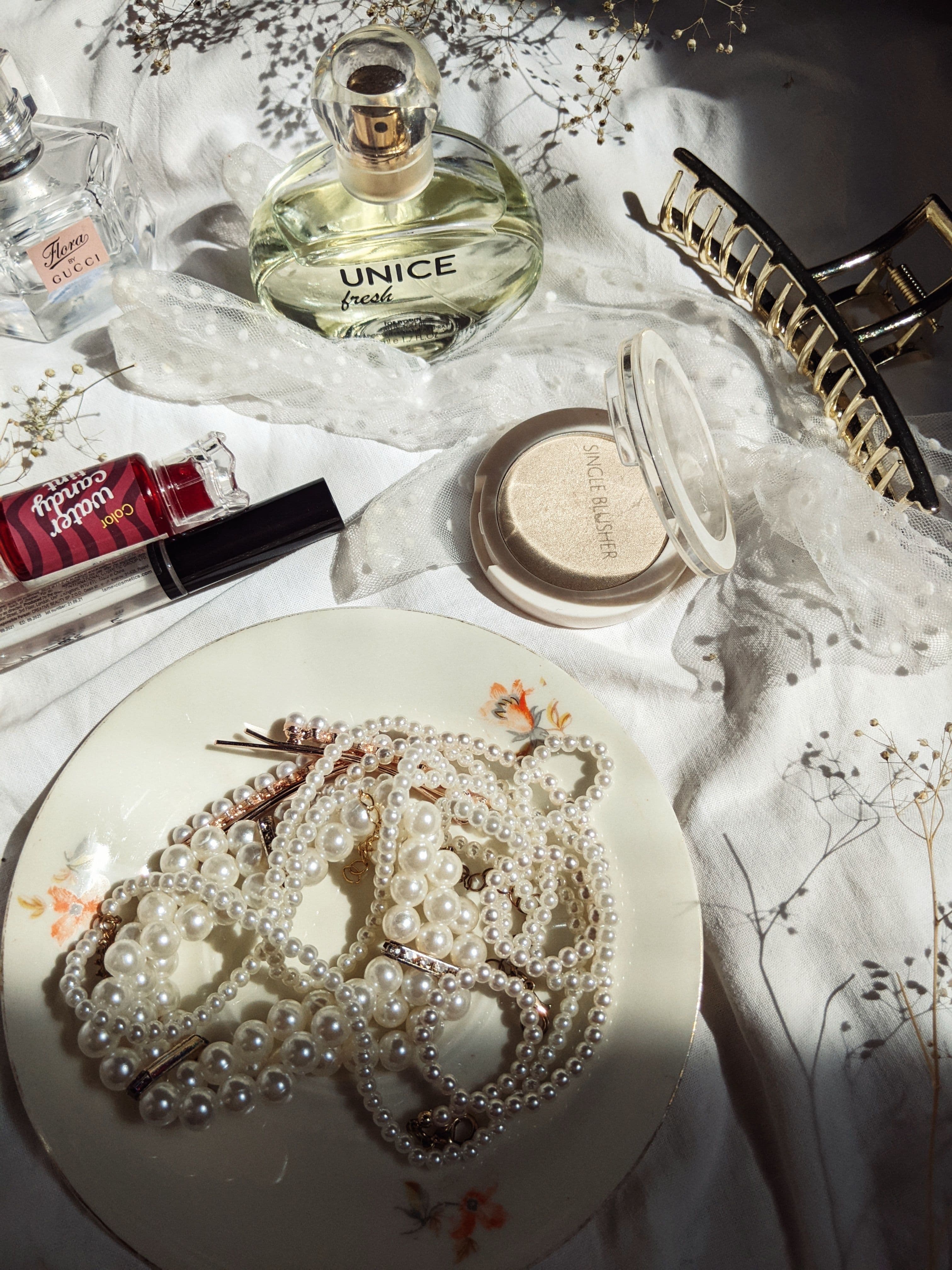
Nothing in 90s hair shows the difference between a ritual and a shortcut better than the blowout. It wasn't fast. Hair was rough-dried, sectioned, wrapped around a round brush or set on Velcro rollers, and then, crucially, left to cool before anyone touched it. That last step is the one a shortcut skips. One hairstylist has described the voluminous blow-dry as the quintessential look of the late 80s and early 90s, before grunge arrived. Rollers, in particular, suit real life: you can leave them in and carry on with your morning while the shape sets.
What makes it worth bringing back is what it asks of you: a stretch of attention, some patience, and a finish that looks brushed out rather than styled. If you want the method, how to get a 90s blowout at home, section by section takes you from rough-drying to the final brush-through. What belongs here is the idea behind it, which is that some things are better for taking as long as they take.
90s Makeup Was Often Simpler Than We Remember
The loud images come first: pencil-thin brows, frosted blue eyeshadow, glitter. They were real, and Pinterest's summer 2026 trend report has the 90s blue eyeshadow look among its rising searches. Alongside them ran a much quieter idea of makeup, and it's the one worth borrowing.
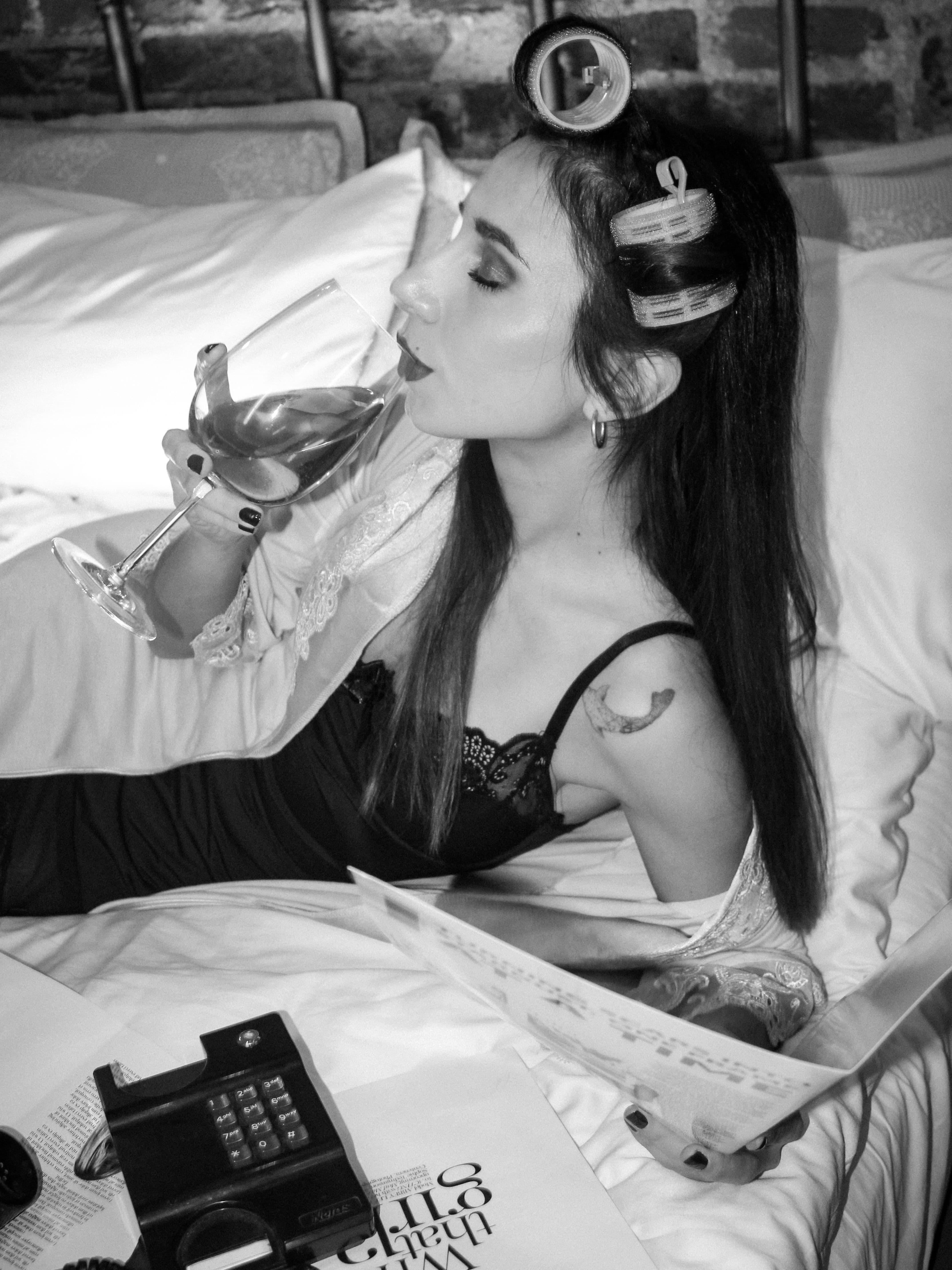
In its understated version, 90s makeup kept skin soft and matte, set with a little pressed powder from a compact, and put nude and brown tones, from taupe to espresso, on the lips, cheeks and eyes. Charlotte Tilbury's history of the decade's makeup describes that palette and those matte finishes as the supermodel look, and Bobbi Brown's brand launched in 1991 with ten natural-looking lipstick shades. This year's revival is drawn to the same restraint, according to one recent trend piece: skin that looks like skin, eyes that are defined but not heavily sculpted, a soft sheen on the lips.
That's natural 90s makeup at its best: softly defined, nothing that needs a tutorial, and more careful than it looks. It's also close to where current complexion makeup has settled. Westman Atelier, founded in 2018 by makeup artist Gucci Westman, builds its range around a skin-first, second-skin approach, with several of its best-known products in stick form.
No single face stands for the decade. Minimalism, supermodel glamour, grunge, gloss and brown-and-nude all coexisted, and none of them was the whole of the 90s. What the understated looks share is restraint, which is easy to borrow and hard to date.
The Brown Lip, the Nude Lip and the Proper Lipstick
If one thing did most of the work in 90s makeup, it was the lip. Brown was the defining shade, from soft beige-brown to espresso, and it sat alongside nude, mauve, plum and berry. A liner one shade deeper than the lipstick, blended softly inward, gave the mouth its shape without harshness. MAC has said that shoppers used to ask for its brown-nude lip pencil, Spice, by name without knowing what it was, which says something about how ordinary the shade had become.
What makes lipstick a ritual object is that you finish with it. It's the last thing added, usually at a mirror, usually in one deliberate stroke, and it changes a face by more than its size would suggest. It's also the beauty object most likely to become yours. Keep one or two shades and they become part of how you look and how you're recognised. A lipstick used for years wears down to a slant shaped by your own mouth and habits, and no new tube can imitate that.
The point isn't to find the exact shade of 1994. It's to settle on a lip you'd wear without thinking about it, and then to put it on properly, with a compact mirror and a spare minute.
90s Nails Did Not Need to Be Complicated
One strand of 90s nail culture was about as simple as a manicure gets: short, neat nails in sheer pink or beige nail polish, or a French manicure. The French manicure dates from the mid-1970s, when ORLY's founder, Jeff Pink, developed a natural-looking finish that would go with any costume on a film set, and by the 1990s it had become a classic for red carpets and special occasions. The other pole was dark. Chanel's near-black Vamp polish first appeared in 1994 and carried dark nails into the mainstream, so there was never one nail story either.
What the simple versions share is upkeep more than artistry: a nail file kept in a drawer, hand cream by the bed, nails tidied between manicures. It costs almost nothing and takes a few minutes, and the reward is hands that look cared for. Nail experts are forecasting sheer, blurred nudes for 2026 as well, but neat nails don't depend on the year.
The Beauty of Having a Signature Fragrance
A signature scent is a slow decision. You wear it for years, it's on you when things happen, and eventually it belongs to you in other people's memories. There's some research behind that: a 2002 study found that memories evoked by an odour were significantly more emotional than memories evoked by the same cue seen or named, which is a fair argument for choosing carefully and then staying put.
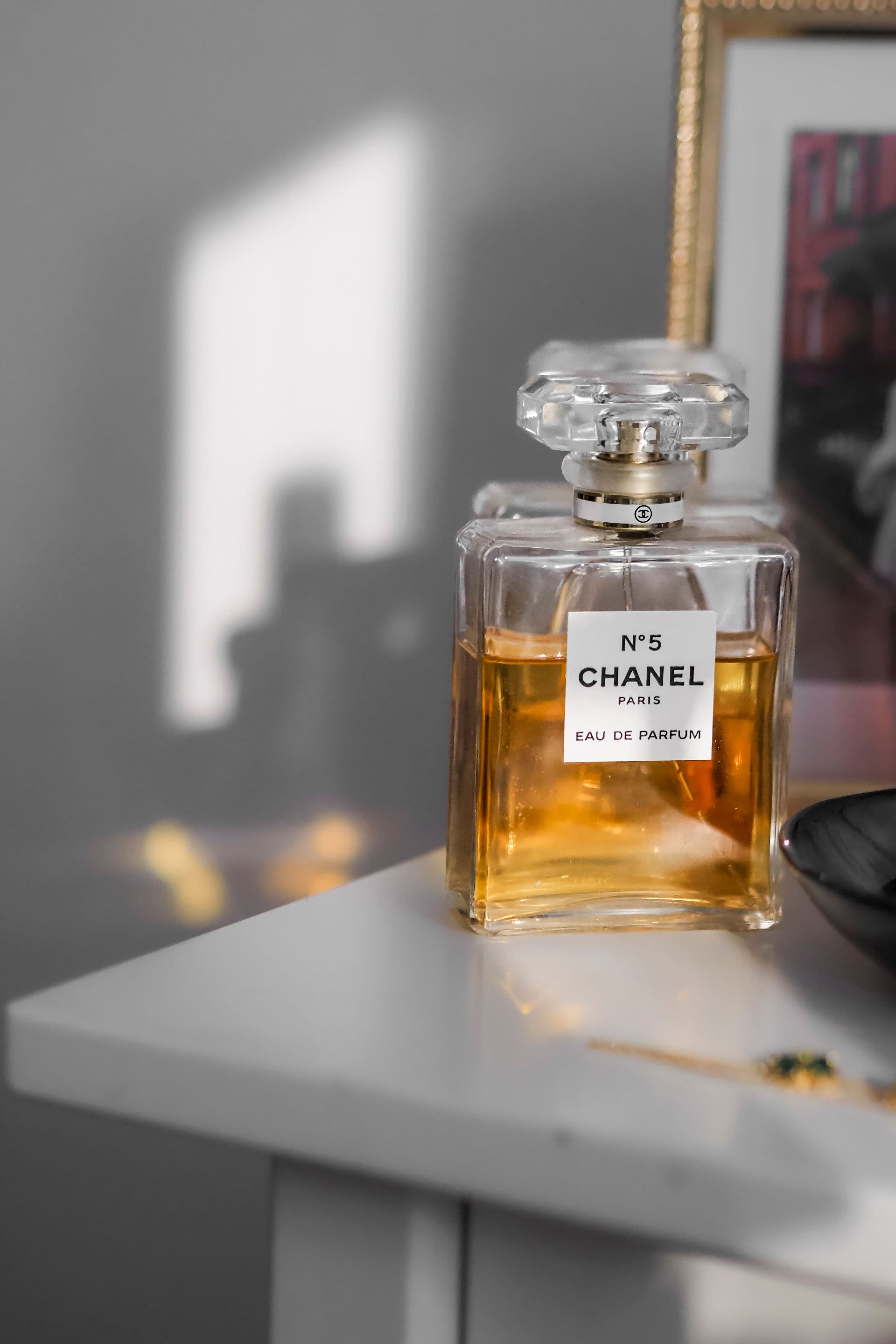
The decade had no single scent, either. L'Eau d'Issey (1992) and CK One (1994) belonged to a wave of fresh, clean-smelling fragrances that followed the heavier perfumes of the 1980s, while Angel, launched the same year as L'Eau d'Issey, went the other way, towards sweetness and the gourmand notes that came after. What turns any of them into a signature is the habit around it: a glass perfume bottle or an atomizer kept on the dressing table, a spray or two as the last step before leaving, the same scent again tomorrow.
Layering several fragrances is the current fashion, and there's pleasure in it. The older idea is simpler. Choose one, wear it, and let it gather meaning.
The Dressing Table Deserves to Come Back
The phrase "dressing table" has been in English since at least 1668, according to Merriam-Webster's first recorded use, and the idea is strangely complete: a surface, a mirror and somewhere to sit, set aside for a single purpose. In many modern homes it has drifted into the bathroom, and something goes with it. A place set aside for getting ready changes how you get ready. You sit down. Things are within reach and in their places. The mirror is at the right height and, with luck, near a window.
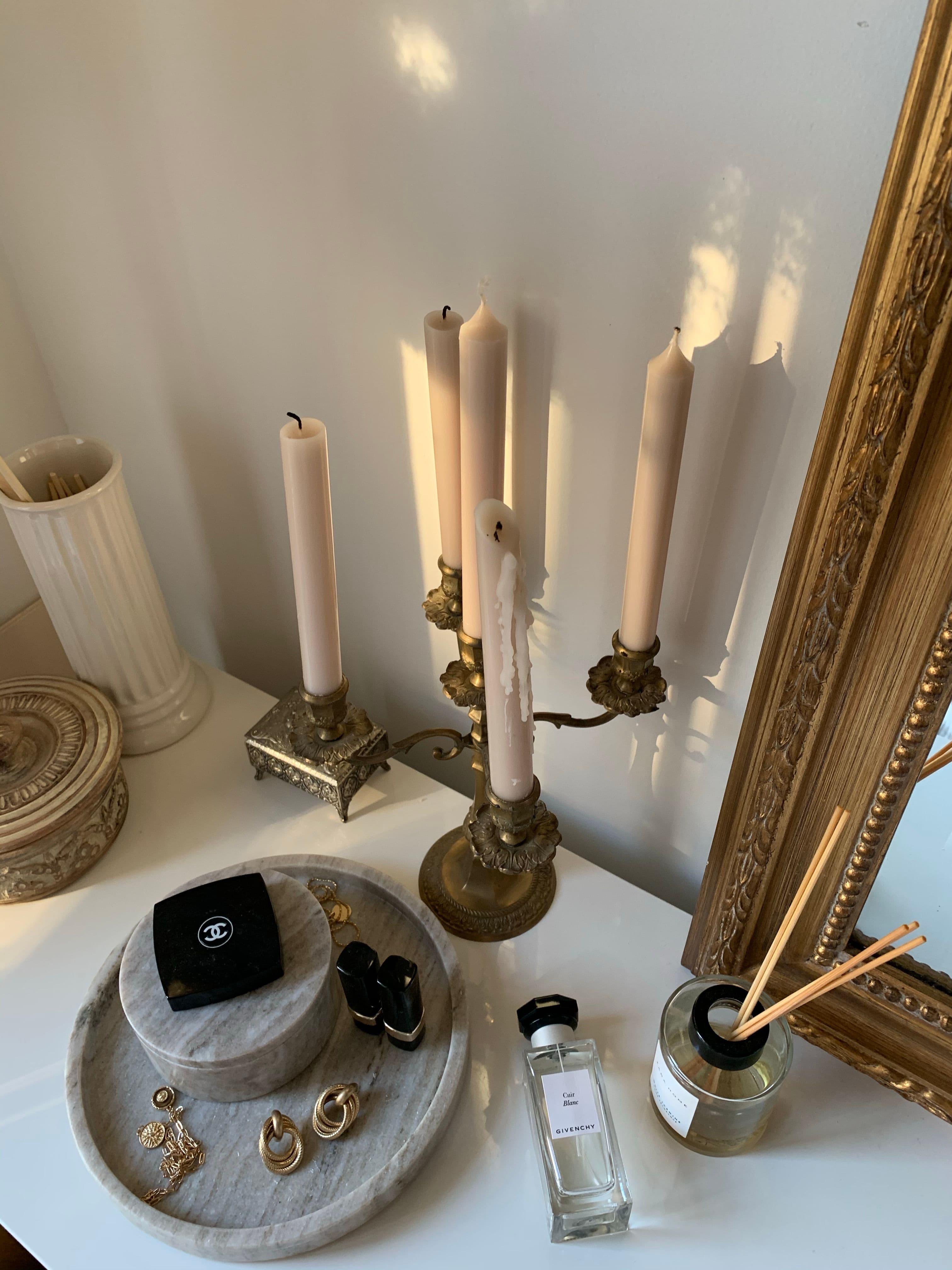
It doesn't need to be furniture. A vanity tray on a chest of drawers will do, or a shelf with a good mirror above it. What matters is what's on it: the hairbrush, a compact, a lipstick or two, a bottle of scent, a small porcelain jewellery dish for rings and earrings, a few tortoiseshell hair clips if you like them, hand cream, perhaps a stem or two of flowers. Everything is used and nothing is there for display, which is why the arrangement looks right. Where a table is out of the question, a beauty case does the same job in miniature: a fixed set of objects with a fixed place.
This is where the other rituals in this piece find their setting, and where beauty meets the house. The things on a dressing table are chosen for how they look and how they feel in the hand, and they stay for years. It's a small way of making a room feel lived in and looked after.
Fewer Things, Used Properly
Minimalism can become its own kind of performance, so this isn't an argument for it. It's an argument for familiarity. The 90s beauty products people still talk about tend to be the small, hard-worn ones: a lip pencil, a nail polish, a bottle of scent. One good brush, a handful of favourite products, a lipstick that's nearly finished: these are things you know how to use, and a routine improves as you get to know it. There's pleasure, too, in replacing things less often, and in choosing well where it counts. The objects you touch every day, a brush, a mirror you can see yourself in properly, a lipstick you'll wear to the end, are the ones worth spending on. The rest can stay simple.
Some makers design for this. Kjaer Weis, launched in 2010 by the Danish-born makeup artist Kirsten Kjaer Weis, sells its colour as refills for metal compacts made to be reused, including an Iconic Edition case developed with the French designer Marc Atlan. The case stays and the colour changes. It's a small example of a wider habit: choose the object once, then keep using it until it becomes part of the household. The things that earn a place on the dressing table are usually the ones used long enough to be known.
What Is Actually Worth Bringing Back?
Not the whole decade. Selective revival means keeping the parts that still feel good to do:
- A proper hairbrush, used every day and kept for years
- A blowout, now and then, done in sections and left to cool before it's touched
- Simple makeup, with skin left looking like skin
- A favourite lipstick, worn down to the shape of your mouth
- Neat nails, filed and kept up
- A signature fragrance, worn long enough to mean something
- A dressing table, or a tray that does the same job
- Time to get ready, without treating it as time to be saved
Most of it is already in the house. What the list asks for isn't another purchase but a little more time than usual, and the decision to spend it.
The 90s Beauty Ritual, Without the Costume
The aim isn't to recreate 1997, and nobody needs the brows back. It's to borrow what still feels good: a little more time than the morning usually allows, a brush that's been in your hand for years, a lipstick you'd choose again, clean nails, a favourite scent, hair that's been properly brushed.
Ten minutes at a dressing table before the day begins, and then out of the door. None of it is difficult, and none of it is new, which is rather the point. A few things worth noticing, and a few worth keeping.
Frequently Asked Questions
What was the typical 90s beauty routine?
There was no single one. The decade held supermodel minimalism, with matte skin and a brown-toned lip, alongside frosted eyeshadow and body glitter, and dark vamp nails and lips. Across the more understated versions the common thread was simple: soft skin, a brown or nude lip, neat nails, hair brushed or blow-dried, and a favourite scent.
What makeup was popular in the 90s?
Several looks coexisted. Matte, natural-looking skin, nude and brown tones, and thin brows belonged to the supermodel side of the decade. Frosted and blue eyeshadow, glitter and lip gloss belonged to the teenage and pop side. Dark red and near-black vamp shades made up a third strand.
What made 90s hair look different?
Volume, and how it was finished. The classic blowout had lift at the root, movement through the lengths and a brushed-out finish, and was set with a round brush or rollers and left to cool. Small details such as mini buns and clips were part of the decade's hair too.
What lipstick colours were popular in the 90s?
Brown was the defining shade, from beige-brown to espresso, alongside nude, mauve, plum and berry, and dark vampy reds. A lip liner slightly deeper than the lipstick, blended in softly, was a common finishing touch.
What nail styles were popular in the 90s?
Short, neat nails in sheer pink or beige and the French manicure were classics, while Chanel's dark Vamp polish, launched in 1994, took the opposite direction.
How can you get a 90s beauty look without looking dated?
Borrow one or two things, not everything. A brown-nude lip with soft skin, a brushed-out blowout or a sheer neutral manicure looks current, while thin brows, frosted shadow and body glitter together look like a costume. Keep skin looking like skin, choose shades that suit you rather than the era, and let everything else stay modern.
Keep this one
Save it to Pinterest.
Share this story
Things worth noticing
A note from Twenty Acres, occasionally. New stories, beautiful things, and the details we're keeping.