
Dressed for the Weather
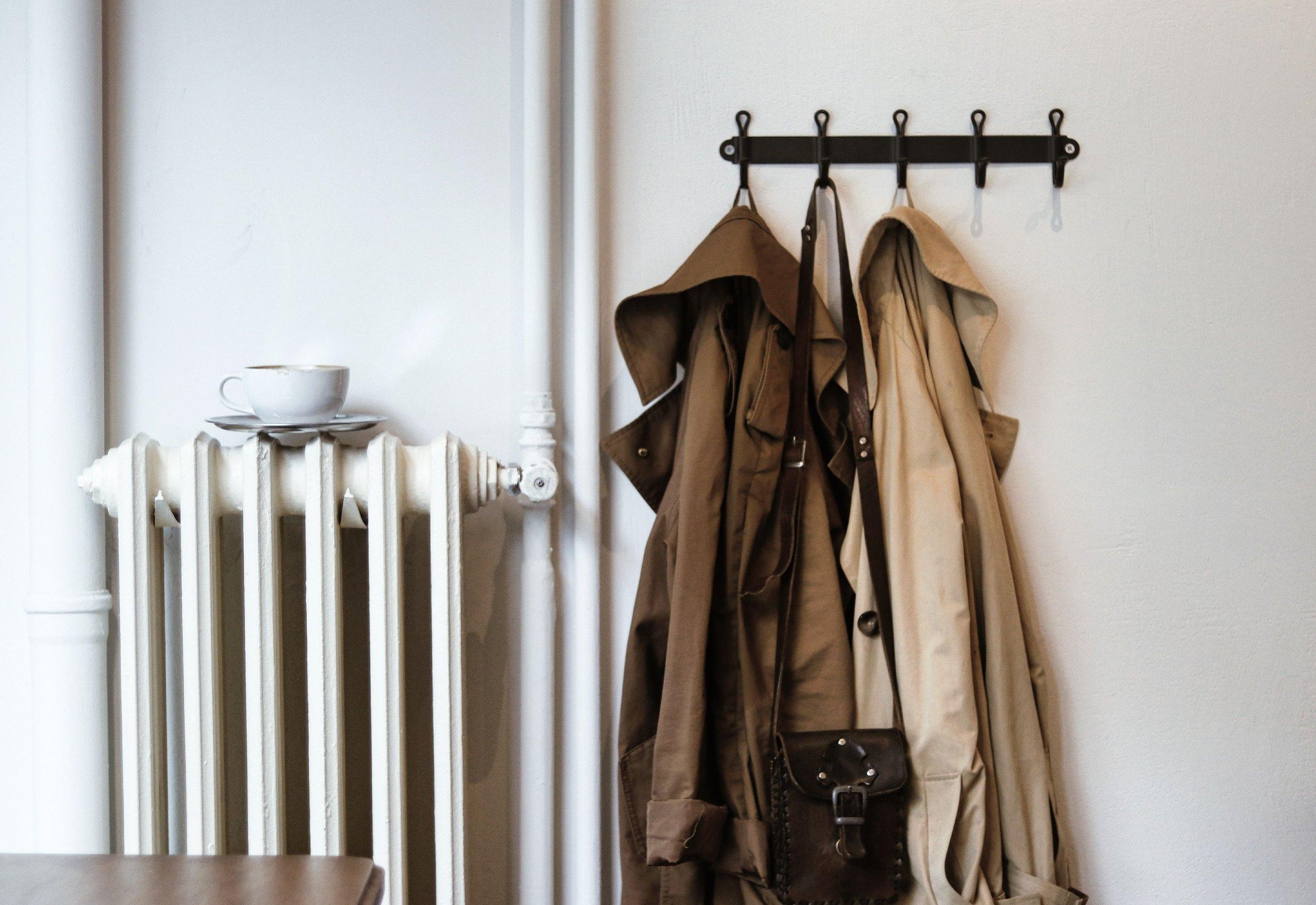
In town, clothes are mostly a conversation with other people. Out of town, they are a conversation with the weather, and the weather is a great deal less interested in how you look. It wants to know whether you will be warm at six in the morning, dry at four in the afternoon, and still comfortable after an hour of carrying something heavy across wet grass. A wardrobe that answers those questions well tends to look good anyway, almost by accident.
That is the appeal of country and coastal dressing, and the reason it travels so far beyond the places it comes from. It is clothing that was chosen for a job, and the job gave it its shape.
The coat by the door
Every house outside a city has one: the coat that lives on a hook by the back door rather than in a wardrobe. It is rarely the newest coat in the house. More often it is a waxed cotton jacket gone soft at the elbows and darker across the shoulders, or an old wool one that has been rained on so many times it has stopped minding.
Waxed cotton is a good example of a material that asks to be looked after and rewards it. The wax is what keeps the rain out, and it wears away with use, most of all at the seams and folds. When water starts to come through, the jacket does not need replacing. It needs rewaxing, an unhurried job for a dry afternoon, after which it goes back on the hook for another few years. It is the same idea as things that need looking after: the care is part of the ownership.
Wool, in more weather than you would think
Wool is the most forgiving fibre in a wardrobe that has to cope with the outdoors. It is warm, it breathes, and it has a well-known habit of staying reasonably warm even when it is damp, which matters on a morning that starts in fog and ends in drizzle. A plain wool jumper, worn over a shirt and under a coat, covers most of a cool day's changes without any fuss. Take the coat off when you are working, put it back on when you stop.
It also lasts, if it is treated kindly: washed rarely and gently, dried flat, mended at the elbow rather than thrown away. A good jumper with a darned sleeve is not a lesser jumper. It is one that has been kept.
Boots, and the ground they are for
The right footwear depends on the ground more than on anything else. Rubber boots for mud, for wet paddocks, for hosing out a stable or a yard: pulled on at the door, rinsed, left upside down to dry. Leather boots for drier days and longer distances, for the walk to the shed and the drive into town, the kind that can be brushed, polished, resoled and worn for years. Most country households end up with both by the back door, along with a pair belonging to someone who has gone home and forgotten them.
The point is not to own the right brand. It is to own the right boot for the ground you actually stand on, and to look after it so that it lasts.
The coast, and the other kind of weather
By the sea, the weather problem turns round. The question is less how to keep warm than how to stay comfortable in sun, salt and wind. Linen and light cotton do this well. They breathe, they dry quickly, and they relax with wear and washing in a way that suits a place where nobody is in a hurry. A loose linen shirt, sleeves pushed up, worn over swimmers or with old shorts, does a great deal of work on a coastal day.
A hat matters more here than anywhere: something with a brim that shades the face and neck and can be crammed into a bag without complaint. So does a layer for the evening, because coastal weather has a way of turning cool the moment the sun is off the water. The same old jumper that does duty in the country will do it here too.
Clothes that do several jobs
What links country and coastal wardrobes is that the best pieces in them are versatile. A white shirt worth keeping works under a jumper in winter and on its own over swimmers in summer. A pair of jeans that has softened with years of wear goes from the paddock to the pub without changing. A coat that keeps the rain off does not have to be a different coat for every occasion.
This is a quieter way of thinking about a wardrobe than the one most shops encourage. It starts with the weather and the work, rather than with the season's colours, and it ends up with fewer clothes that get worn much more.
Dressed for the day
There is a particular satisfaction in coming in out of bad weather and finding that you are still comfortable: dry under the coat, warm under the jumper, boots muddy but feet fine. It is not glamorous, and it does not photograph as well as clothes chosen for the camera. But it is the feeling that country and coastal clothes were made to give, and it is why so many of them have outlasted the fashions that borrowed them.
The coat goes back on the hook. The boots go by the door. Tomorrow the weather will have something else to say, and the clothes will be ready for it.
Keep this one
Save it to Pinterest.
Share this story
The Twenty Acres Club
An archive of things worth noticing. Receive our private seasonal notes on the wardrobe, the house, travel and the small details that make a life its own.