
The Things We Take Away With Us
On the small, ordinary objects that travel with us, and what they do to a strange room.
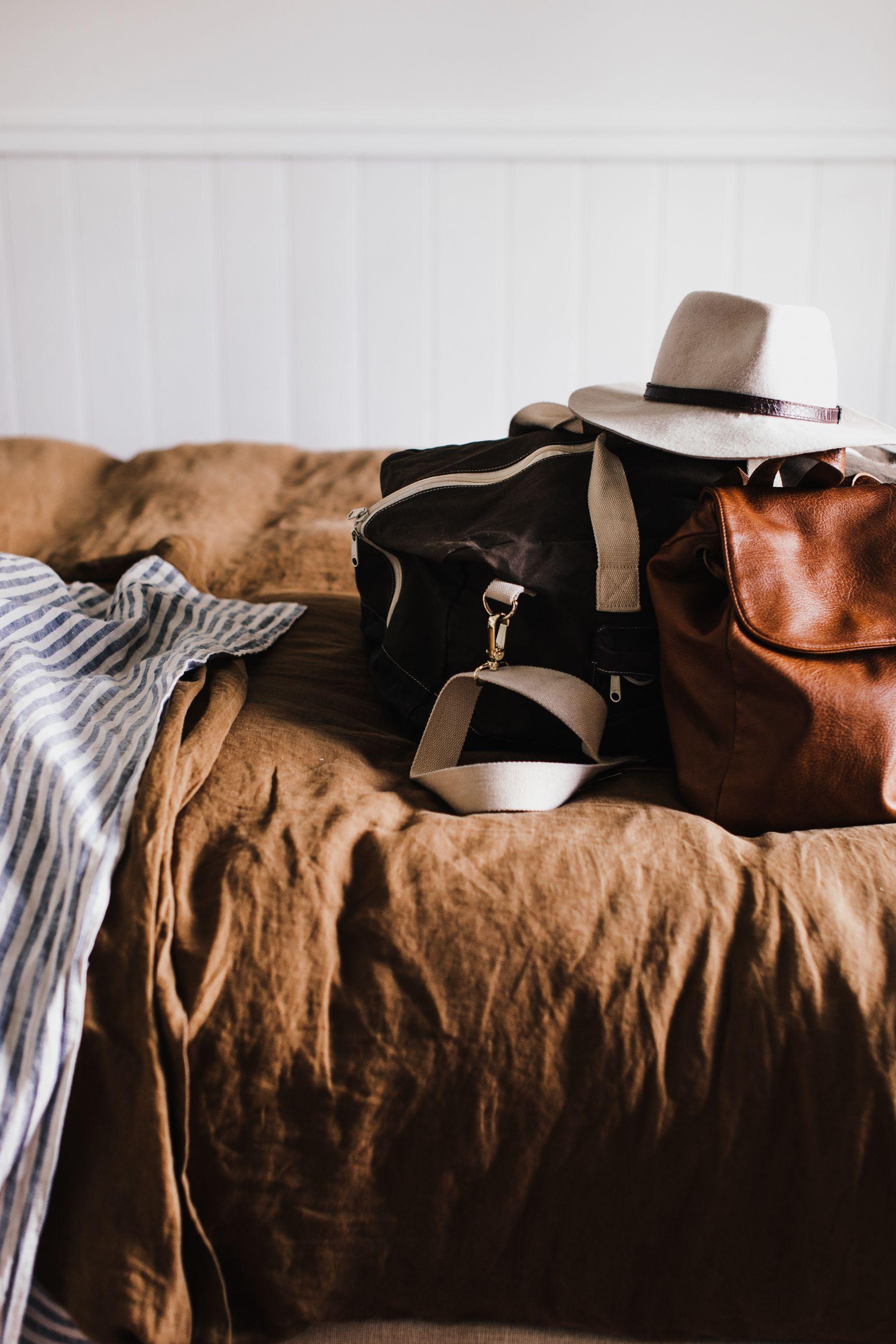
The bag is unzipped on the bed and the first thing out is not the thing that went in first. It is a paperback with a bent spine and a bus ticket for a bookmark. Then a cotton bag of toiletries gone soft at the corners, a cardigan folded in on itself, a pair of slippers laid sole to sole like two hands pressed together. None of it is valuable. All of it was packed without a decision.
There is the list of what a journey needs, and there is usually a second list. The first is sensible: the passport, the charger, the right shoes. The second is shorter and more particular, and said with a little embarrassment. The scarf that never gets worn. The pillowcase from home. The pen that writes properly. We know these things are not necessary. We pack them the way we put a hand in a pocket to check that something is still there.
It is worth noticing which list does which work. The first gets you there. The second is for being there. The passport is for the border and the charger is for the phone, and neither has anything to say about how the first evening will feel. The pillowcase and the pen are another matter. They have no use at the airport. They are for the moment, a few hours on, when the bag is open on the bed and the room has not yet decided to be anyone's.
In 1988 the consumer researcher Russell Belk argued that we regard our possessions as part of ourselves, an extended self, and that when they are lost without our choosing it, we can feel diminished. He was writing about consumer behaviour and not about holidays, but it explains the pull of the unnecessary. A few years earlier, Mihaly Csikszentmihalyi and Eugene Rochberg-Halton had interviewed eighty families in Chicago about the things in their homes, and described how people cultivate meaning in objects instead of simply owning them. A paperback is a paperback until it has been read in the same chair for a winter. After that it is something else, and it cannot be replaced by another copy.
Put the paperback on the bedside table and the room moves a little towards you. A hotel room or a rented house is neutral by design, an arrangement of furniture that expects no one in particular. The slippers by the bed establish where the floor becomes yours. The toiletry bag on the edge of the basin is a flag planted in the bathroom. Three objects and the room has an occupant. Nothing has been redecorated, and nothing has been moved more than a few centimetres, and yet the room is no longer quite the room that was shown to you at the door.
Watch people unpack and there is an order to it, and the order seems to matter more than the objects. Some put out the bathroom things first, as though the day needs washing off. Some begin with the bed and the book. A few cannot settle until the bag is empty and folded away, while others leave it open for three days and live out of it. It probably means very little. But it is a ritual, and rituals are what we have for making a place ours without having to say so.
We tend to carry our histories in objects lightly and without being asked. The cardigan might be one that was bought in a particular winter. The pen might have been a gift. The small case might have belonged to someone in the family before it was yours. You do not need to recall the story for it to be there. A familiar object carries its past the way a path carries footsteps, and it hands a little of it to whatever room it is put down in.
It might seem that bringing the familiar defeats the point of going somewhere new. If anything the reverse is true, though this is an observation and not a finding. A traveller with nothing of their own is not more open to a place, only more exposed to it. Every surface is strange and every decision is a new one, and attention is spent on staying upright. A small stock of familiar things works like a hand on a rail. It lets the rest of the world be unfamiliar without making the whole of you feel unsteady.
A book is the most portable piece of home there is. It is a room you can carry, with a door that opens whenever you like. One begun at home and finished away holds both places in a single object: the first half was read at one kind of table and the last chapters at another, and years afterwards the middle will be where the journey began.
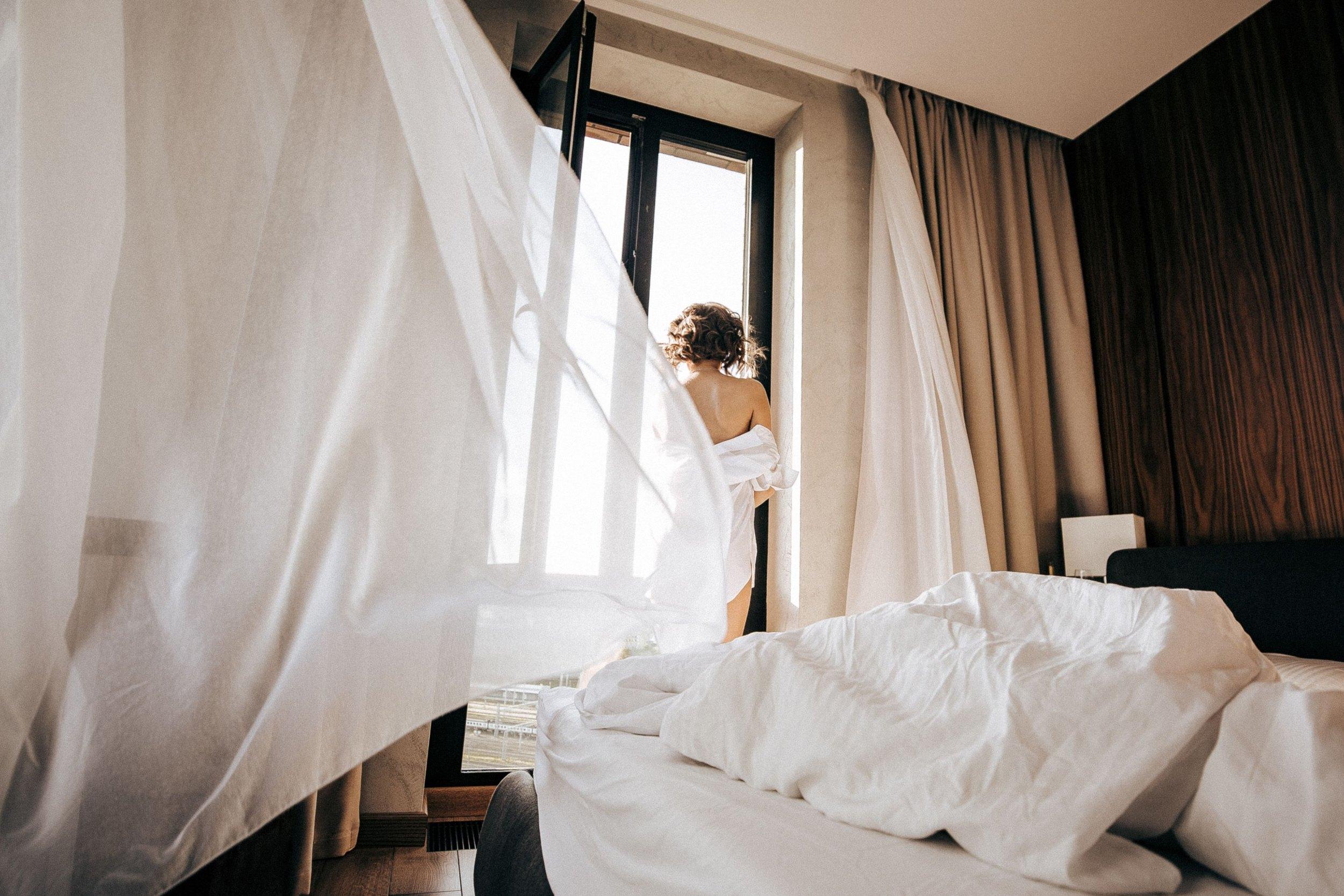
What these things offer is a continuity of the hands. Travel disturbs the eyes first: new faces, new streets, a different quality of air. The hands, for a day or two, keep their old knowledge. The weight of a particular bag on a shoulder. The way a book falls open at the page where it always falls open. The softness of a thing washed a hundred times, which no new thing can imitate. The sound of a zip you have heard on a thousand mornings. Softness is a record of its own. It is made of washing and wearing, of thousands of small contacts, and it cannot be bought. Wrapped at the end of an unfamiliar day in a shirt or a jumper that has gone soft in that way, you have the odd sense that your own body has remembered itself. Over a long weekend these small constancies are what let you stay awake to a new place, because some part of you is not having to learn anything.
The small case is where the particular things live. A hairbrush that is not the best but is the one. A string of beads. A tin of something for the hands. In a bag, the case is a house within the house, a few square inches arranged exactly as you would arrange them at home, and opened on a shelf in a strange bathroom it makes that bathroom feel briefly like your own. Few people could say why this should matter. It is not decoration. It is something nearer to company.
Familiar objects are not a cure for homesickness, and they are not a substitute for attention. A book can become a way of not being where you are. The test is probably whether the object opens the place or closes it, and from the outside a paperback read on a terrace and a paperback read to avoid the terrace look exactly the same.
If you have travelled for some years, you can name the list without looking. These are the things that go into the bag without a conversation, journey after journey, whatever the destination: a book, something soft to wear in the evening, one good pen, a particular bag. The list is rarely extravagant, and it rarely changes much. It may be the nearest thing most of us have to a short self-portrait, drawn in objects, and it is drawn without our ever deciding to draw it.
Objects, too, travel in the other direction. They take the places home. The book has a ring on its cover from a glass set down on a terrace. The bag has a scuff from a station platform. The slippers have acquired the particular flatness of a floor you will not stand on again. This is not damage. It is a record, kept without effort by the things that were there, and it is more truthful than most souvenirs.
Nothing here is for show. Nobody will see the pen, or the pillowcase, or the book with its ring. That may be the best test of whether a thing is carried for its own sake: it would be packed just the same if there were no one to notice it.
At the end the slippers go back into the bag, sole to sole. The cardigan is folded in on itself again. The book goes in last, with a ring on its cover that was not there when it came. From now on that is where it was read.
Keep this one
Save it to Pinterest.
Share this story
The Twenty Acres Club
An archive of things worth noticing. Receive our private seasonal notes on the wardrobe, the house, travel and the small details that make a life its own.