
When Is a Luxury Hotel Worth the Price?
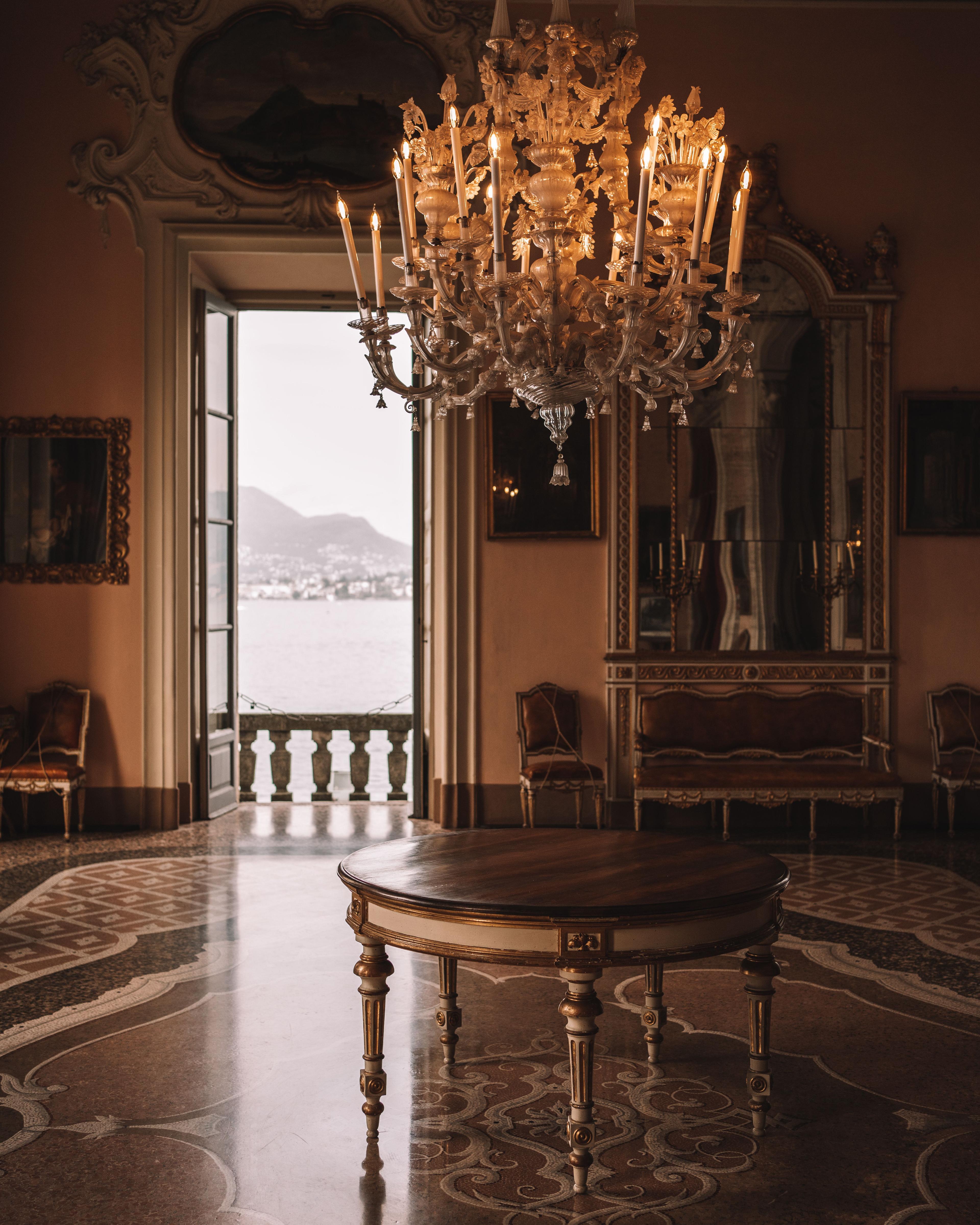
There is a particular kind of browser tab that stays open for days. It holds a hotel that looks like the best version of the trip: pale linen, a terrace, breakfast laid out in a garden. Beside it sits a second tab, a perfectly decent room near the station at a little over half the price. The photographs are not the difficulty. The difficulty is that both answers are reasonable, and nothing on either page says which one belongs to your trip.
The honest answer is that a hotel does different work on different trips. Sometimes it is a quiet, well-placed room to come back to after a day spent somewhere else. Sometimes it is the reason for going at all. A beautiful hotel is not always worth paying more for. But when the hotel itself becomes part of the reason for travelling, the calculation changes. What follows is a way to tell which kind of trip you are on, and what the extra money does and does not buy.
When the hotel is somewhere to sleep
Think of a city break that is mostly pavement: a museum in the morning, lunch somewhere you read about, a dinner booked weeks ago, then bed. The room is used for eight or nine hours a day, and most of them are spent asleep. Pauline Frommer, writing about when spending more actually improves a holiday, reaches a similar view (opens in a new tab): unless the hotel is the holiday, or is so badly placed that it adds a great deal of travelling, a hotel is mostly there to be slept in.
On a trip like this, a premium buys things you meet only briefly. Location is the exception, and it is worth paying for when it removes a taxi or a long commute at either end of the day. Three questions help. How many of my waking hours will I spend here? Will the extra money change those hours, or only the ones I am asleep? And does the cheaper option cost me time or money elsewhere, in transfers or a long walk home?
If the answers point towards a quiet room, a good bed and a short journey to everything else, a suite you see for ten minutes before dinner is mostly an address. That is not a lesser choice. It is often the cleverer one, because the money can go to the dinner, the guide or the day on the water.
Some city hotels are destinations in their own right, with a courtyard, a bar or a dining room people cross town to visit. If your plans include spending an evening in one, you are in the next section.
When the hotel is the destination
Then there are trips with nothing on the list except the place: a week on a coast, an anniversary, a few days at a country hotel where the plan is to do very little. The hours are spent differently. A slow breakfast, an afternoon beside water, a long dinner downstairs, the light changing on a terrace. The property is the programme, and the budget can reasonably treat it that way.
What changes the calculation is time and intent. Setting, outlook, outdoor space, service and food only earn their price if you use them, and you will use them most when little else is competing for your day. A traveller who means to swim, sit, read and eat on site can sensibly spend more of the budget at the hotel than one who plans to leave at nine and return at eleven. An occasion can matter too. For a birthday or an anniversary, you may want the place itself to be part of what is being marked.
None of this makes price a stand-in for quality. A modest guesthouse with a walled garden can be a destination, and an expensive hotel on a busy road can be only a bed. The test is not the rate. It is whether the hotel offers something you came for.
What deserves the extra money
Features that sound impressive and features that change a stay are often different lists. These tend to belong to the second.
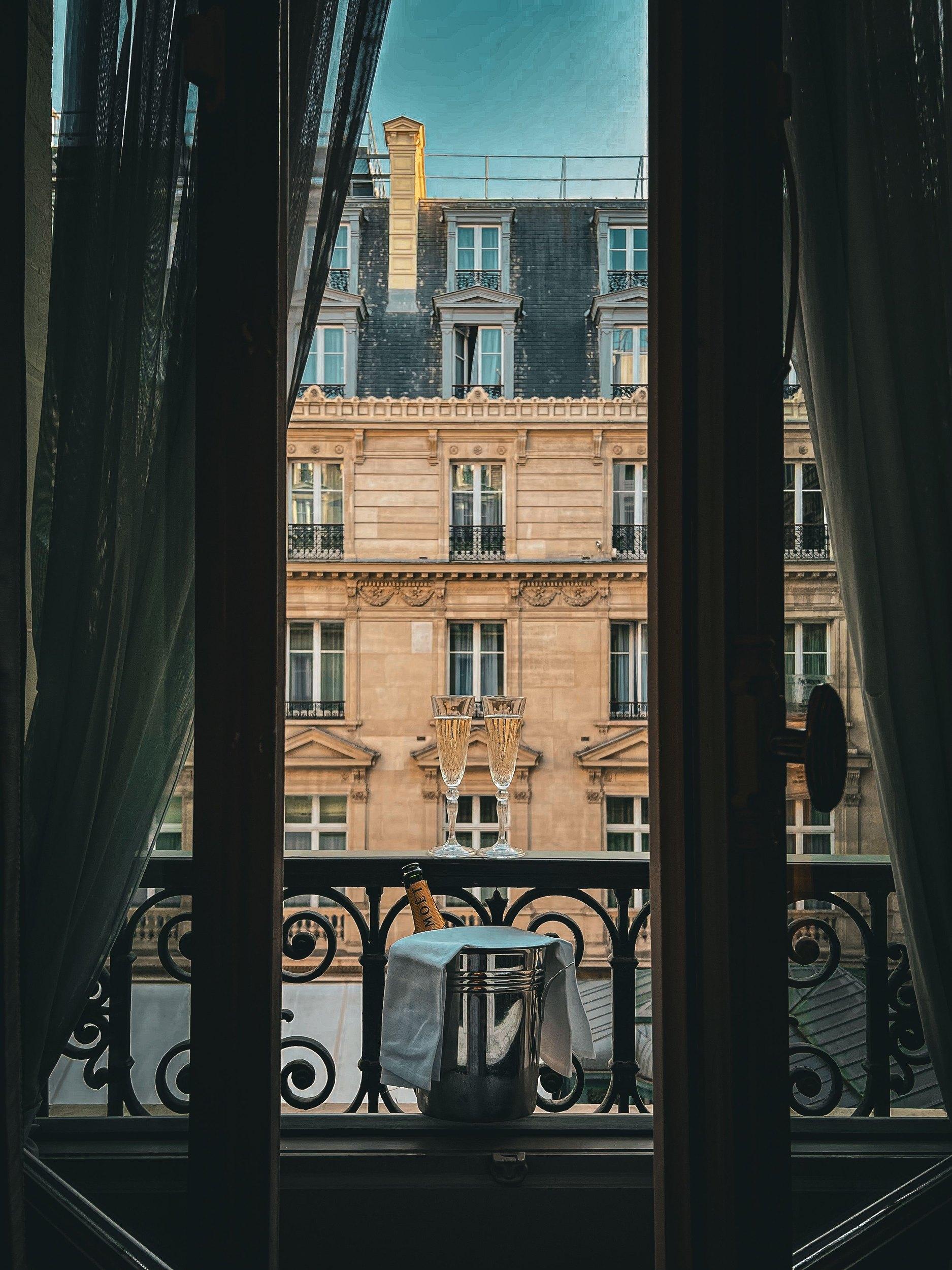
- Setting and outlook. A room that looks onto water, a garden or a courtyard changes how every hour in it feels, in a way a larger bathroom does not. If you will be in the room at dawn and at dusk, the view is used twice a day.
- A better room, if you can name what it adds. A higher category is worth paying for when it buys something specific: a separate place to sit, a balcony, a quieter floor. A room that is simply the same room, larger, matters less. How to read a room category is covered in How to Choose a Hotel You Will Remember.
- Outdoor space. A terrace, garden or pool is worth paying for in a season when you will sit in it, and for a stay long enough to use it.
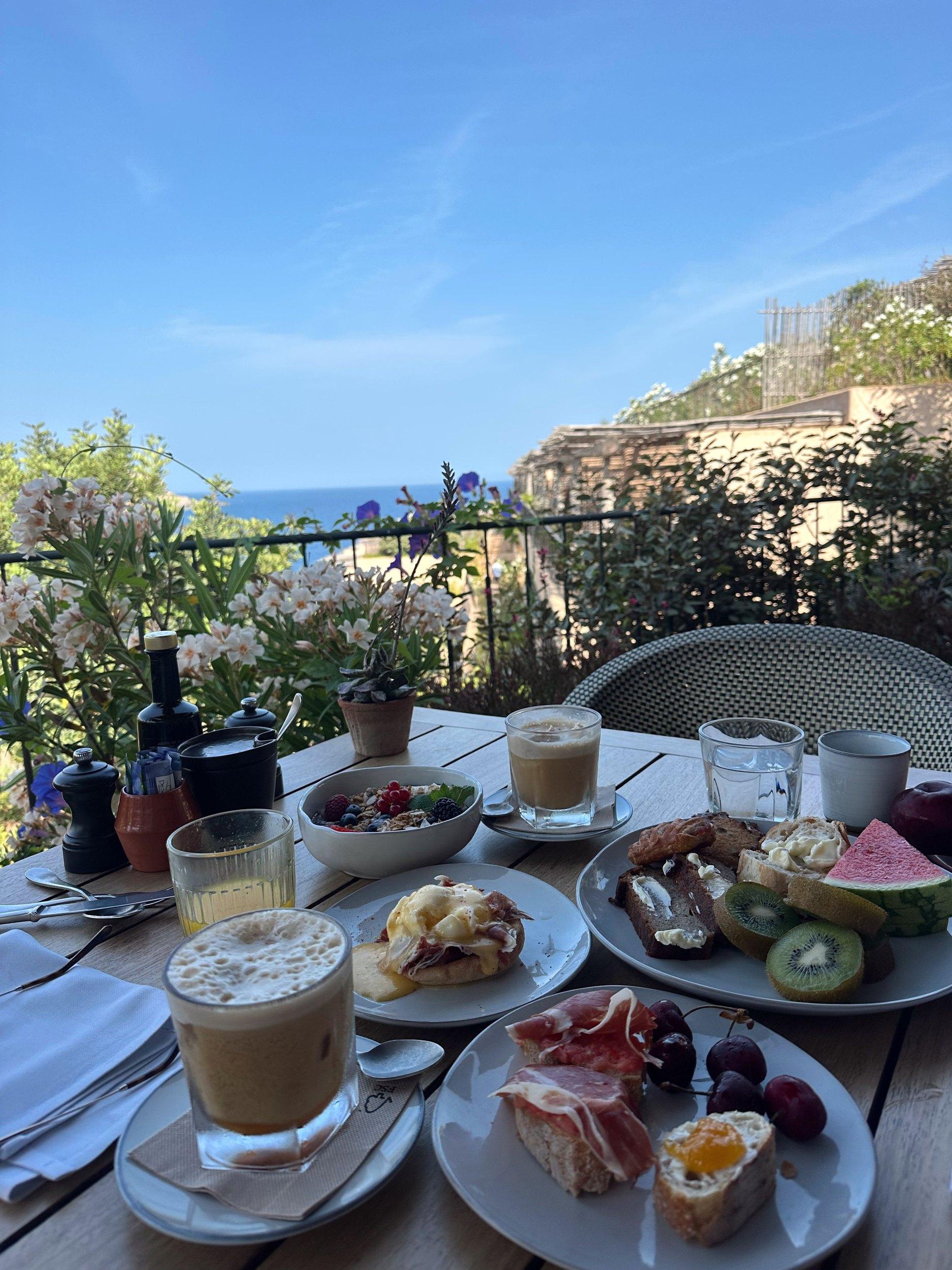
- Breakfast and dining. A good breakfast, taken slowly, is one of the most reliably used features of a hotel, because it arrives every morning. A restaurant is worth paying towards if you would genuinely eat there.
- Service. It is hard to photograph and easy to feel: a request handled without fuss, a room ready when you arrive, someone who notices. The Pleasure of Being Looked After is about exactly this.
- Facilities you mean to use. A spa you will not visit and a gym you will not open are costs carried on behalf of other guests.
A useful test for any of them is whether you would miss it by the second day.
How to compare the real value of a booking
Once a hotel is worth considering, the question changes from whether it is worth the price to what the price actually is. Two bookings at the same hotel can differ more than two hotels.
Line them up on the same terms. Look at the total, including taxes and any mandatory fees, and not the nightly rate alone. Check which room category you are actually booking. Note whether breakfast is included, and for how many people. Read what any credit can be spent on, and whether an upgrade is promised or merely possible. See what the early check-in and late check-out wording really says, and what the cancellation terms allow if plans change. And count the cost of the location: a lower rate in a less convenient place can be spent again on transport.
Two principles do most of the work. A lower headline rate is not necessarily the better deal if it is prepaid and non-refundable, or sits far from where you will spend your days. And an inclusion is a saving only if you would have used it.
Here is an illustration, not a price or an average. Imagine two three-night bookings. One is 400 a night, room only, 1,200 in total. The other is 520 a night, 1,560 in total, with breakfast for two each day and a 100 credit. Say breakfast for two would have cost 60 a day, and you would have spent the credit on a dinner you were going to eat anyway. Then the benefits are worth 280 to you, and the real extra cost of the second booking is 80, for whatever the better room or position adds. If you would have skipped breakfast and never touched the credit, the full 360 buys only the room. The numbers are the same in both cases. What changes is you.
This is also where booking channels come in. Some services sell selected hotels with added benefits, and their value depends entirely on whether you would use them. Skylark (opens in a new tab) is one example. At the time of writing, its site describes a free tier that offers the same rate as booking direct, and a paid annual membership, US$250 a year, that lists benefits such as daily breakfast for two, property credits of US$100 or more per stay, priority upgrades and early check-in or late check-out, varying by hotel. Its own terms say that upgrades depend on space on the day, that credits must be used during the stay, and that it does not price-match discount sites. It also says the membership fee is non-refundable once processed and renews automatically unless cancelled. That makes it a useful list to hold up against your own plans: the fee has to be recovered across the stays you actually take, and a single stay at a hotel with few benefits may not recover it. It is worth comparing with the hotel's own rate and terms, and with anything you already have through a card, a loyalty programme or a travel adviser. Check the current terms on the day, because they can change.
The value of having more time
Consider late check-out. The obvious reading is practical: a few more hours before the airport. The better reading is what those hours are. At a hotel with a courtyard or a pool, they are a last swim and a slow coffee. At a hotel you have only been sleeping in, they are hours in a lobby with the luggage. The same benefit is worth different amounts in two places, which is rather the point.
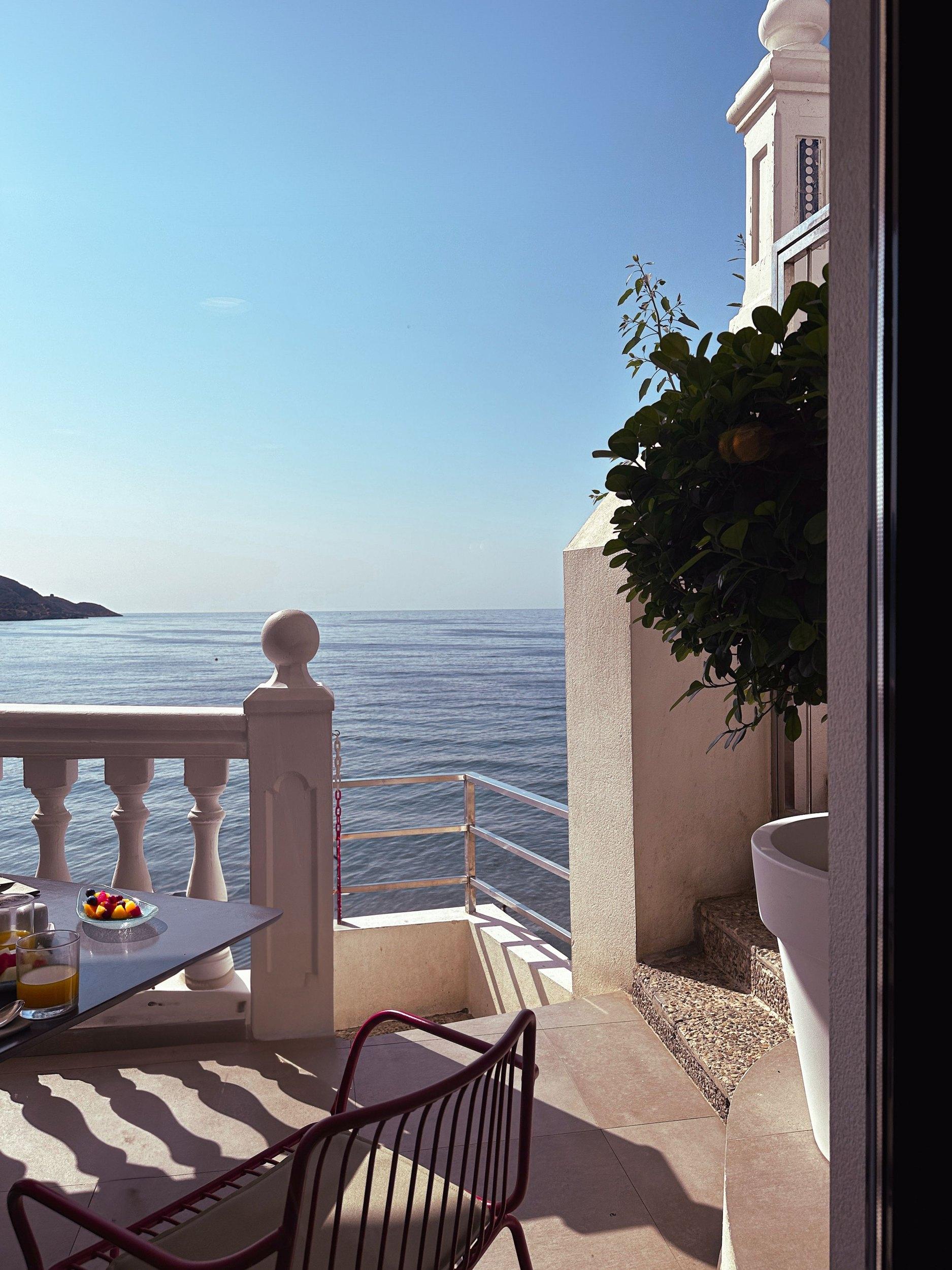
This is not about extracting the most hours from a booking. It is about whether the hotel is somewhere you would be glad to have more time in, and if it is, whether a room that lets you linger is worth something to you. A terrace you are in no hurry to leave, a view worth returning to, an extra hour in a room you like: these are small things, and they are often what a stay is remembered for.
Be realistic about the mechanics. Late check-out is generally at the hotel's discretion. It depends on how full the hotel is that day, it is sometimes free and sometimes charged, and it may not be possible at all on a busy night. A booking arrangement may list it as a priority or a request, but nobody can promise it. If your plans depend on those hours, ask the hotel directly and ask for the answer in writing. Otherwise, treat it as a pleasure if it arrives, not a part of the plan.
You do not have to spend more every night
A budget does not have to be spread evenly. One approach is a comfortable, well-placed hotel for most of a city visit, and a particularly beautiful property for the last two nights. Another is the reverse, with the special stay first. Some travellers prefer to spend almost nothing extra on the room and more on a dinner, a guide or a day out. People describe all of these in discussions of how they split a trip, and none is a rule.
If you divide a trip between hotels, count the cost of moving: the transfer, the repacking, the morning lost to it. Two nights gives you time to settle and use the place. One night often gives you only the bed. And there is no tidy percentage of a travel budget that belongs to accommodation. It depends on what the trip is for.
What do you want this stay to give you?
Sometimes the sensible choice is to spend less on the hotel and keep the difference for something that happens outside it. Sometimes the hotel is where the trip is, and the extra cost is simply the cost of the thing you came for. The difference seldom shows in the rate. It shows in how you picture the second morning: out of the door by eight, or still at the table with nowhere to be. Picture that morning first. Then choose the room that belongs to it.
Keep this one
Save it to Pinterest.
Share this story
The Twenty Acres Club
An archive of things worth noticing. Receive our private seasonal notes on the wardrobe, the house, travel and the small details that make a life its own.