
The Room You Remember
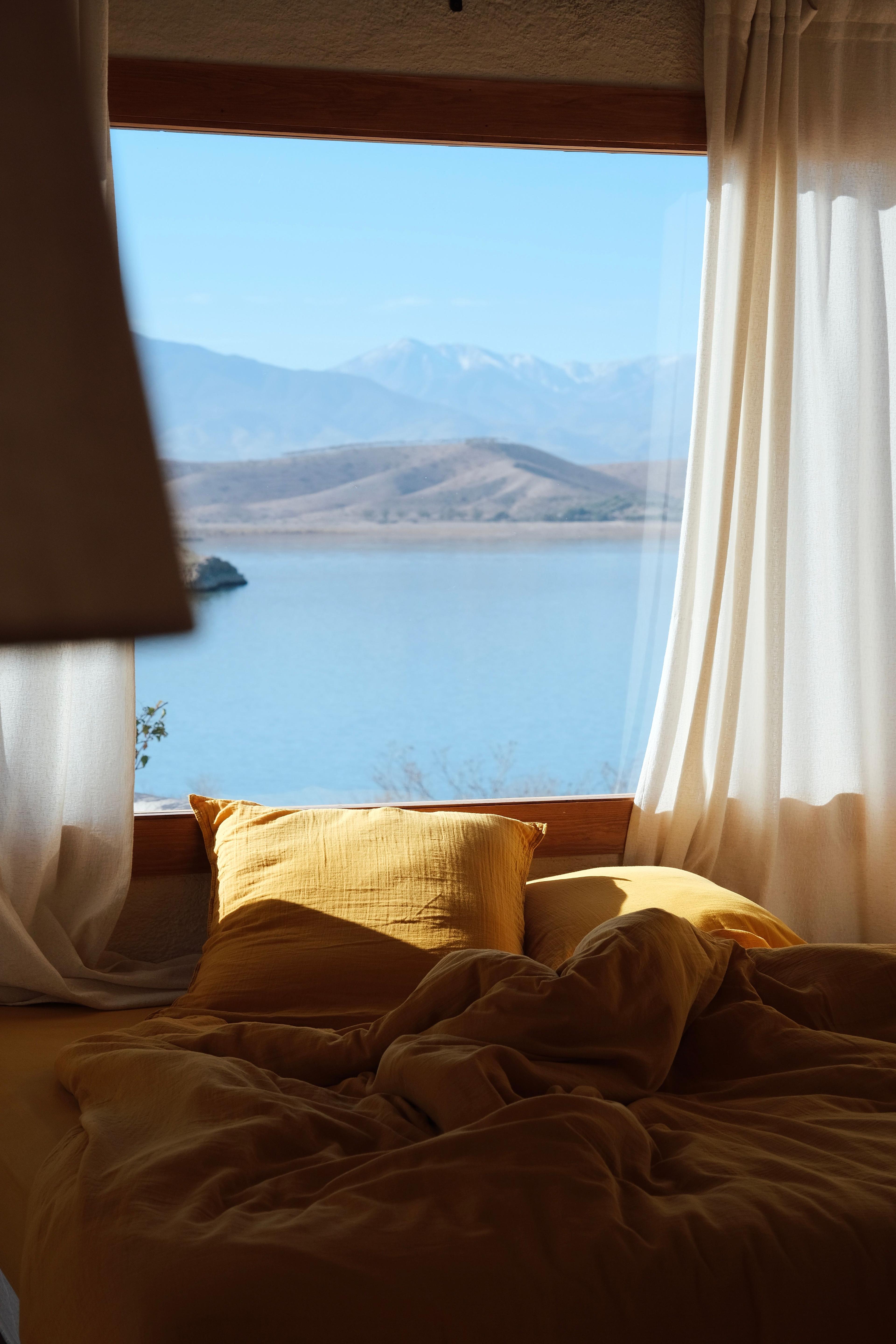
On why a few hotel rooms stay with us, and what they have in common.
In the listing, the room is always seen from the doorway. The lens is as wide as it will go, the bed is squared up like a table laid for inspection, and nobody is in it. It is an honest picture of a condition in which the room will never actually be found.
The room you remember is a different room, and it is rarely the whole of it. What comes back is a chair that someone had angled towards the window. A sash that needed a hand on each side to open. A radiator that ticked as it cooled. Ask people about a stay they loved and they tend to start with a corner of a room, not the hotel. A photograph shows what a room has. Memory keeps what it did.
The listing is there to persuade, and so is the first look when the door opens. The stay is the audition, and it happens in hours nobody photographs: the late afternoon, the wet morning, the stretch before dinner.
What actually stays
It is a humbling business, finding out how little of a holiday we keep. The psychologists Simon Kemp, Christopher Burt and Laura Furneaux followed forty-nine students on holiday for about a week, each of whom texted a daily report of how happy the previous day had been. Afterwards the students were asked how happy the whole trip had been, and to recall their daily ups and downs. They could not recall the detail of the days, and the length of the holiday made no difference to how they judged it.
It was a small sample of students, not hotel guests, and it relied on self-report. But it fits a common experience: memory keeps an impression of a trip and lets the days that built it dissolve. If so, the question to put to a hotel room is not how much it contains. It is what it gives the memory to hold.
A second body of research, older and more argued over, asks whether the place where something happens becomes part of the memory of it. A large review by Steven Smith and Edward Vela, published in 2001, concluded that the effect is real but unreliable, and that it is less likely to appear when the surroundings are likely to be ignored. It was not designed with hotels in mind and should be held loosely. But it suggests something most of us recognise. A room can only be a cue for a memory if somebody looked at it in the first place.
A room also has an advantage over everything else on a trip. A museum is visited once and a restaurant for two hours, but the room is returned to again and again, in every mood and every kind of weather, and what happens in it is filed under its name: the bad night, the phone call, the afternoon spent doing nothing at all. A room collects the week. A beautiful room that gives attention nothing to settle on has the same advantage and wastes it.
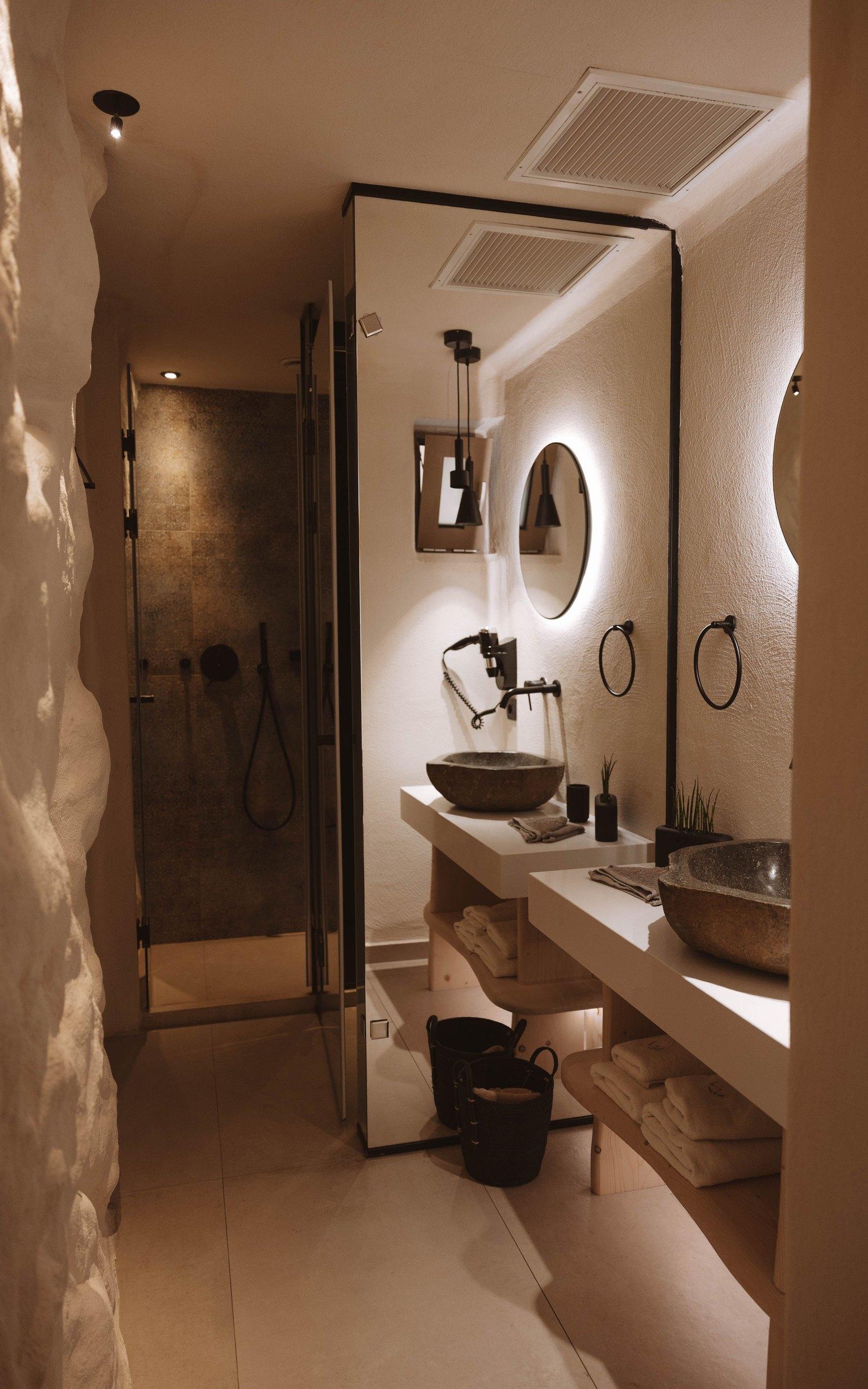
A room that gives attention somewhere to rest
Come back to a room at four in the afternoon, after a day of being out in a place, and it is a different room again. The bed has been made around your things. The shoes you left by the door are where you left them. Nothing is expected of you, and for the first time the room has to be good for something other than being looked at.
That is the test a photograph cannot set. Some rooms have an answer ready. There is a chair set where the window is, deep enough to sit in sideways. There is a sill wide enough for a book and a glass. The window opens onto something that does something while you watch: a street that changes as the shops reopen, a garden with a gardener in it, rain arriving from the left. Other rooms have nothing to rest on. They are beautifully done, every surface offers itself to be admired and none to be used, and after ten minutes the eye has finished with them. They are rooms kept for best.
Admiration is a short kind of attention. It is spent on the first look. The kind that makes a room stay is renewed each time you return to it: a view that moves, a seat that suits the body, a floorboard you have learned to step around. None of this depends on the room being large or the fittings grand. Most of it is a decision about where a chair has been put.
There is also the matter of learning a room. On the first day it is a set of objects. By the third you know its timetable: when the radiator starts to tick, when the first van arrives in the street, when the sun gets as far as the bed. That knowledge is the nearest a hotel room comes to belonging to you. It cannot be bought or specified, and it can only accumulate in a room that did something worth learning.
Choosing the room, not just the hotel
A hotel is a promise made at the level of the building. The memory is made at the level of the room, and two rooms in the same hotel can be remembered completely differently. The one over the service lane and the one over the garden may share every fitting.
So it is worth asking, before booking, which way the window faces, which floor the room is on, what is outside it at breakfast, and whether there is anywhere to sit that is not the bed. A good answer is specific. "Garden side, second floor, a small armchair at the window" says more than any number of adjectives, and a hotel that cannot say is telling you something too.
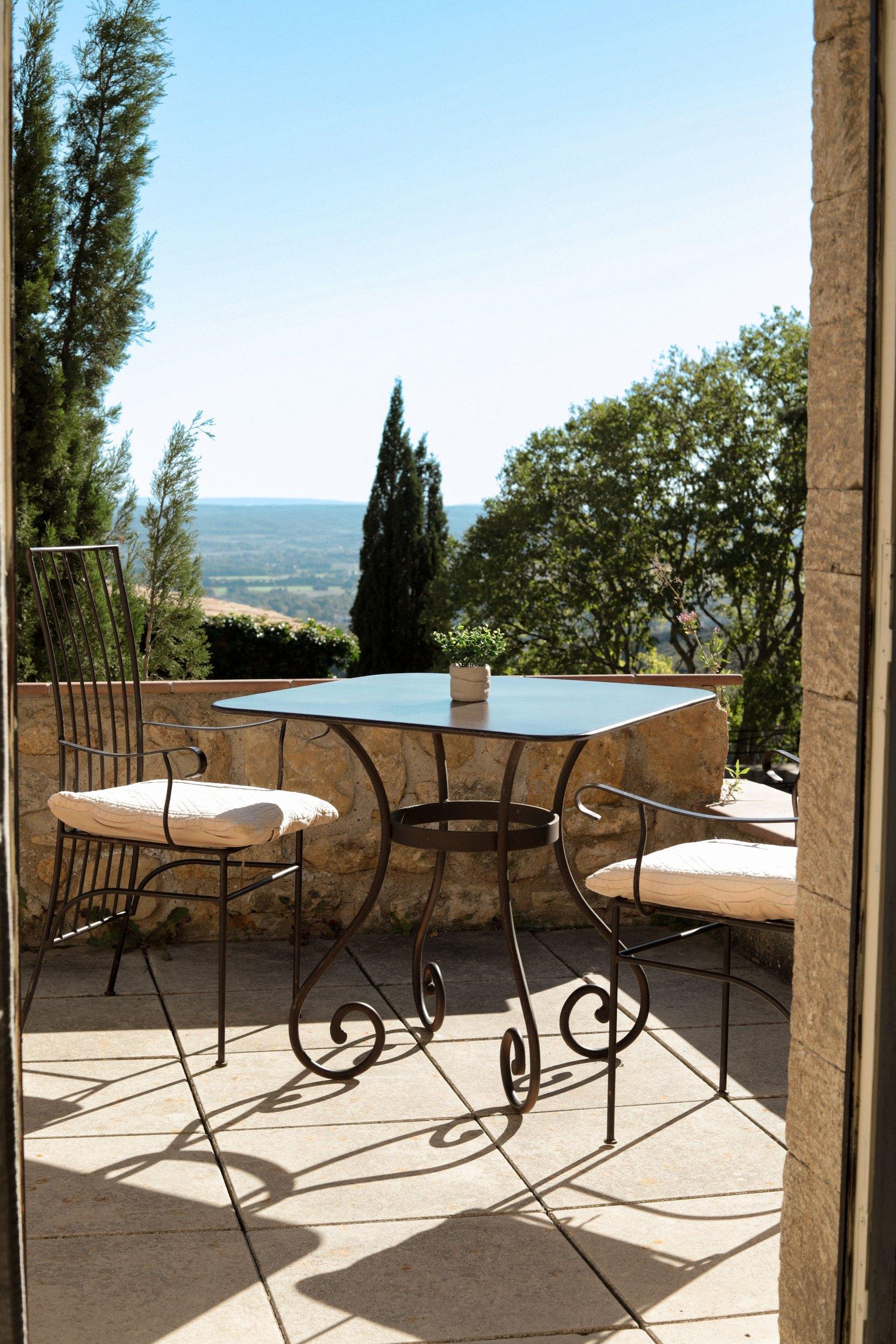
Think of the last hotel room you can really picture. It is unlikely to be the grandest you have slept in, and what you can see of it is probably a part: a chair, a sill, a view. Most of us stand at the door on the final morning and look back for whatever has been left behind. A charger, a shoe, the book that was meant to be finished. It is also, though nobody intends it, the last time the room is seen whole. By evening it is only the parts that were looked at, the chair, the weather that came through the window on the second afternoon, and the rest has gone back to being furniture.
Keep this one
Save it to Pinterest.
Share this story
The Twenty Acres Club
An archive of things worth noticing. Receive our private seasonal notes on the wardrobe, the house, travel and the small details that make a life its own.