
The Things We Keep for Best
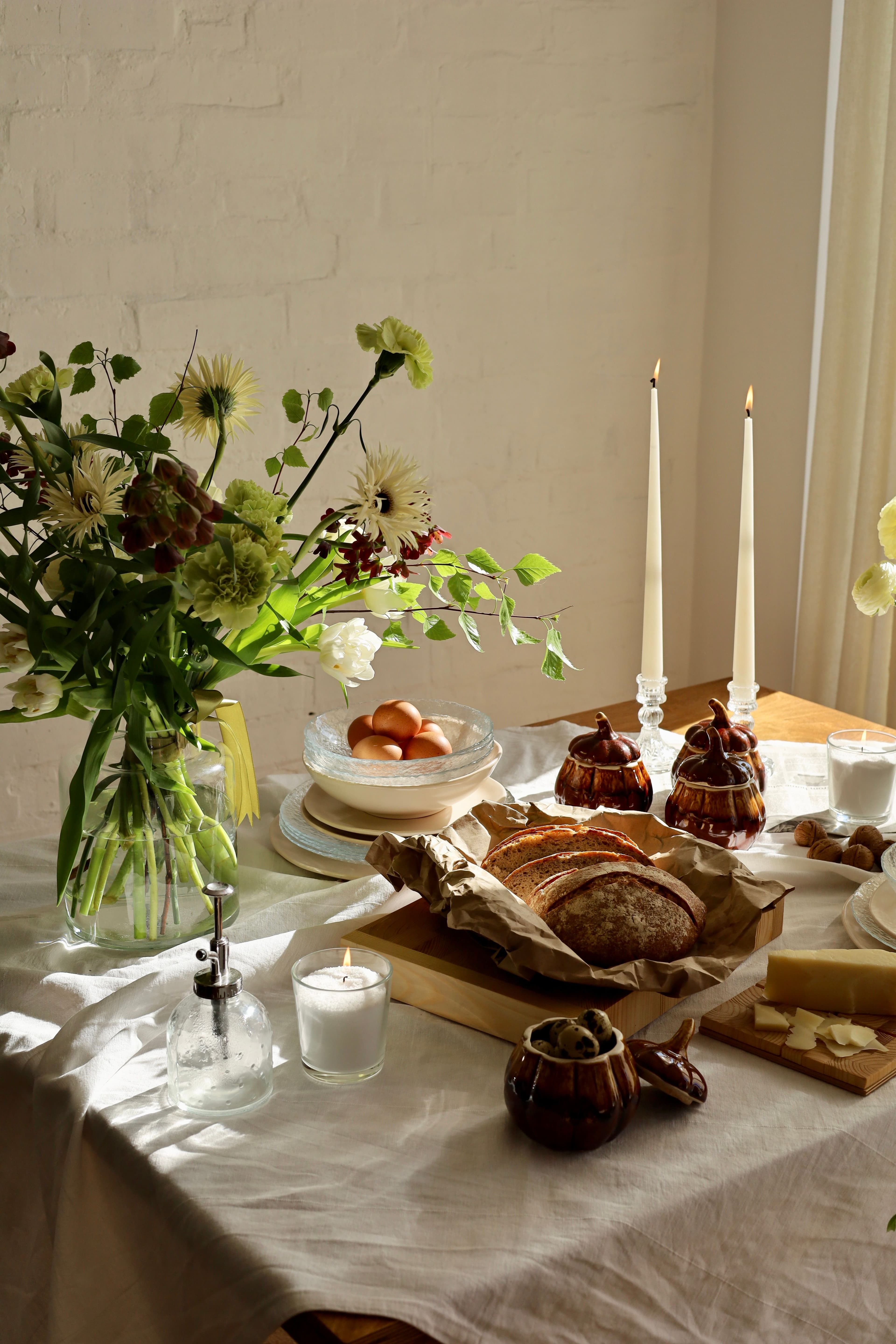
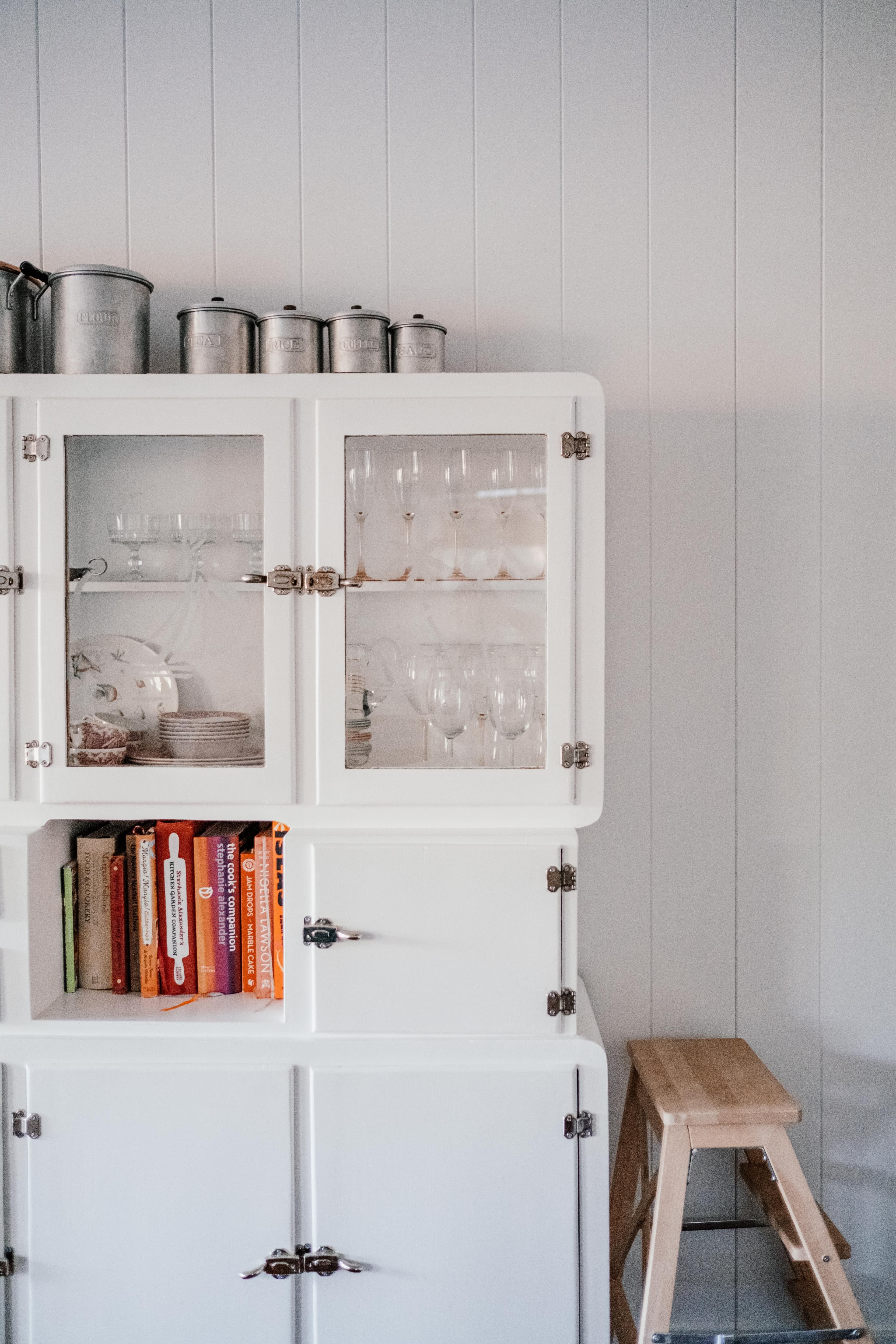
Somewhere in most houses there is a cupboard where the good things are kept. It might be a glass-fronted cabinet in the dining room, the top shelf of the pantry, or the deep bottom drawer of a sideboard that sticks in wet weather. Inside are the glasses that come out at Christmas, wrapped in tissue in the box that once held something else. The linen tablecloth is folded along creases that have set over the years. The silver lives in a felt-lined case or a drawer, in a cloth gone slightly grey at the edges. The candles are still in their cellophane, saved for guests, and the serving dish has been used perhaps a dozen times since someone gave it as a wedding present.
None of this is kept out of dislike. Most of it is loved, and some of it is the best the house holds. It is kept, all the same, for an occasion that has to be big enough, and so the cupboard stays closed on a Tuesday, a Wednesday, and most of the weekends in between.
What are we actually waiting for?
The Cupboard Kept for Best
Most households have a version of this cupboard, and the things in it are owned only in a technical sense. They are counted, dusted, carried from house to house and hardly ever used.
The habit is an inherited one. Many of us grew up with a front room kept for visitors, or a set of china that appeared for Sunday lunch and went back into the cabinet before the washing-up was finished. Earlier still, a young woman might spend years filling a glory box, or in Britain a bottom drawer, with linen and dishes and other household things for a home she hadn't yet made. Things were bought carefully and kept carefully, with a long life in mind, and that life was expected to hold occasions worth keeping them for.
It would be easy to call this foolish, and it isn't. There is real feeling in it. To preserve something is a way of saying that it matters, and a set of glasses that has come through three house moves without a chip is a small act of care. When things were harder to replace, keeping them whole was sensible, and there is nothing outdated about wanting to look after what you love.
The difficulty is what preservation does over time. An object can be kept so carefully that it never gets the chance to become part of a life. It sits in its tissue, complete and unmarked, exactly as it was on the day it was bought. Nothing has happened to it because nothing has happened with it. It is possible to own a dozen glasses for thirty years and never learn which one sits best in the hand. And the occasions it was saved for have often changed shape in the meantime. The dinner for twelve has become a lunch for five on the verandah, and the set of twelve is still in the cupboard, waiting for a crowd that no longer comes.
Beautiful Things Are Meant to Acquire a History
A beautiful object isn't necessarily made less beautiful by use, and sometimes the reverse is true. This isn't an argument about resale value, which follows different rules. It's about what an object is like to live with.
Silver is the plainest example. Used regularly, it picks up a fine web of small scratches from plates, cloths and hands, and its surface softens. The bowls of old spoons are often worn a little at the tip, where they have met the bottom of a great many dishes.
Linen changes in a different way. New linen is crisp, and it softens as it is washed until it falls from the table in a way that stiff cloth never does. A tablecloth that has been through the wash for twenty years has a softness, and a way of settling on the table, that new linen takes years to reach. Left folded in a cupboard, it stays as it was, and the creases become the thing you notice.
A crystal glass often picks up fine scratches on its foot from being set down on a hundred tables. A glazed plate can take on faint grey lines where knives have crossed it. A wooden salad server darkens and smooths with handling, and the leather seat of a dining chair goes dark where it has been sat in.
Wear is not always damage. Sometimes it is biography. This needs some care, because some changes aren't biography at all. A chipped rim, a cracked plate, a glass gone cloudy in the dishwasher are just damage, and it helps to know the difference. But the small marks of ordinary use, the ones that build up without anyone deciding, are how an object comes to look as though it belongs to somebody.
The Ordinary Table
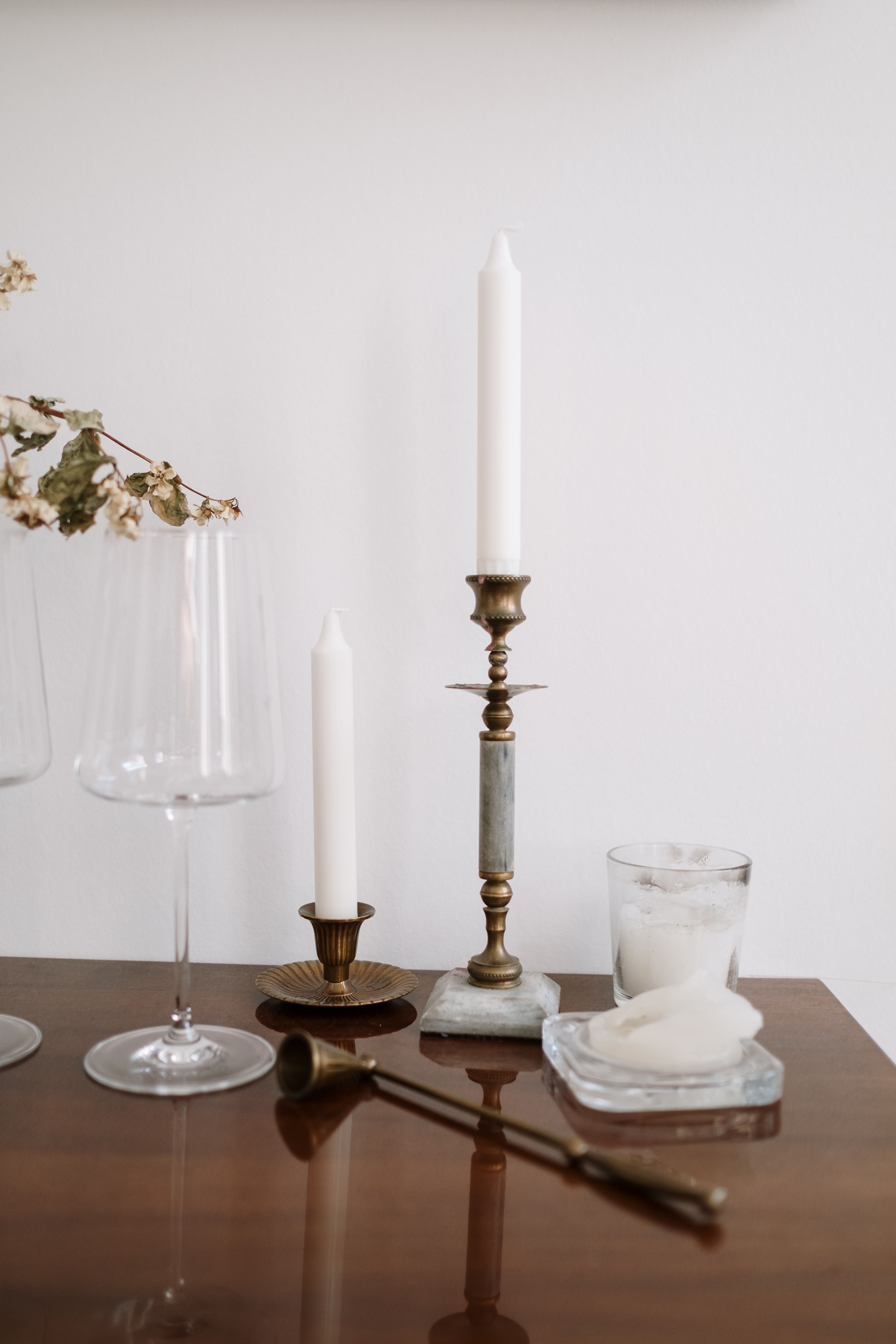
Picture a table set for two on an ordinary evening. It's a Wednesday, and nobody has been invited. Dinner is soup, or eggs, or whatever was in the fridge. There is a linen cloth on the table, or just a napkin at each place, folded once. There's water in a proper glass, the heavy one, cold from the tap. The plate is the one you'd choose above every other plate in the house, and the knife and fork have some weight to them. A candle stands in a plain holder, lit before it is properly dark. In a jug are a few stems from the garden, or from the market on Saturday, not so much arranged as put down.
None of this takes long. It takes ten minutes, most of them spent finding where things are. Nothing on the table is grand, and no one is being entertained, which is the point of it. Eggs on toast on a good plate, with a proper knife, is a different meal from eggs on toast eaten standing at the bench. The food is the same. What has changed is that someone has paid it attention.
Most of a life happens on ordinary evenings, and it seems odd to keep the best of what we own for the smallest part of it. Ordinary life is the occasion, and it comes round every evening.
Why Crystal, Silver and Linen Still Make Sense
Some materials have stayed at the table because they do their work well, and because they can be looked after when they get worn. It helps to think about what each is actually like to use, rather than what it is supposed to signify.
A good crystal glass is often heavier than an ordinary one, and clearer, with a thin rim that changes how a drink meets the mouth. Flick the bowl of a lead crystal glass with a fingernail and it will often ring, a clean note that carries and fades slowly. It throws light across the cloth. The pleasure is physical and immediate, and it is there for a glass of water as much as for champagne.
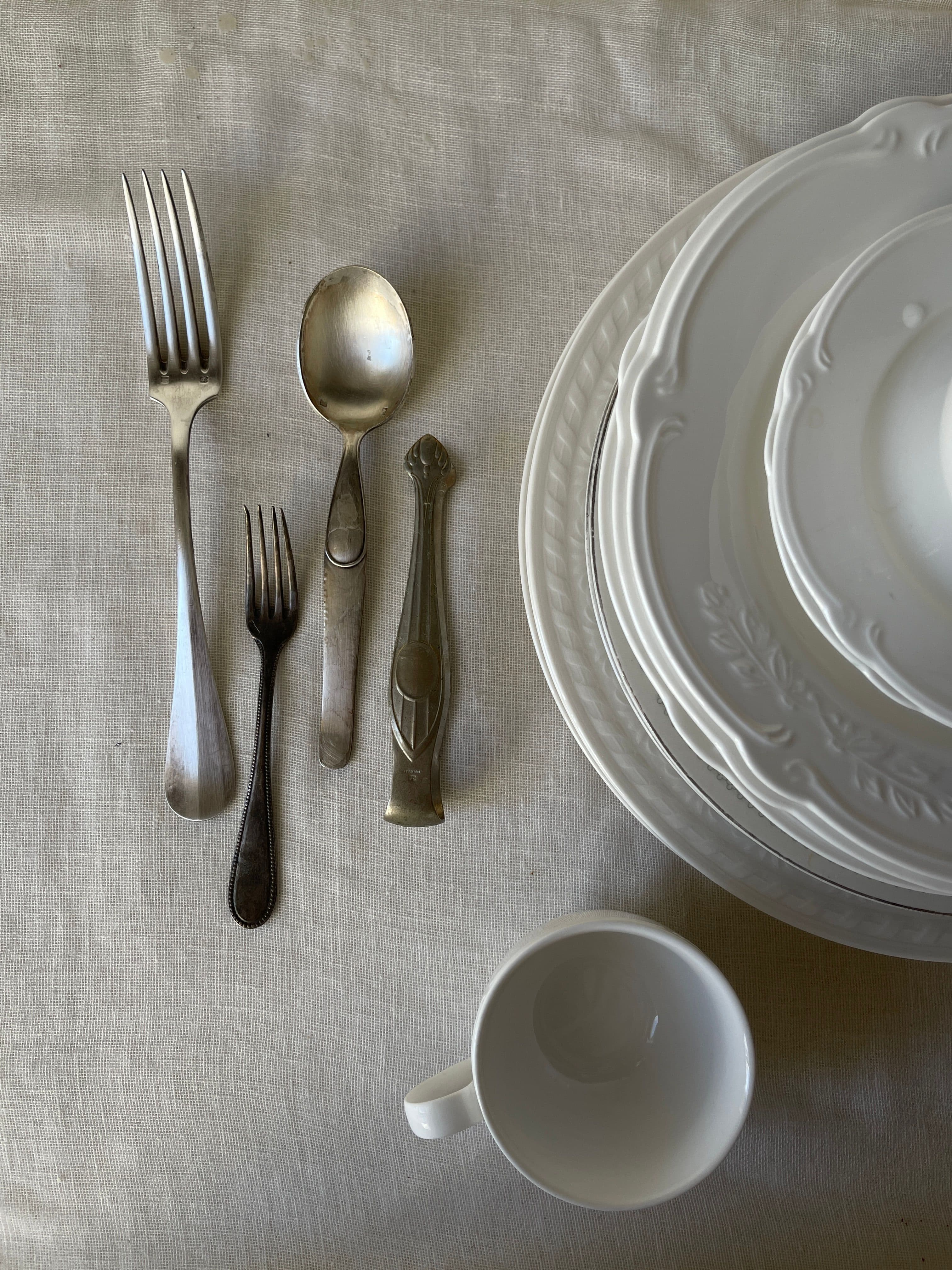
Silver is soft, which cuts both ways. It dents and it wears, but it can often be repaired when it is damaged, and the marks of use can be left alone if the patina is the point. Many old pieces of solid British silver carry small hallmarks that show who submitted them, where they were tested and, often, in which year, so that a spoon can arrive with its own date on it. It can pass through a good many hands and still be useful at the end.
Linen is made from flax, a natural fibre that starts out crisp and stays out of the way. It absorbs a spill and can be washed again and again, and it wrinkles without anyone minding, which matters more than it sounds. Linen looks right slightly creased. It gets less formal the more it is used, and a napkin that has been washed a hundred times is not a lesser object than a new one.
Ceramics work differently again. A plate or bowl that is used every week is learned by the hand: its weight, the curve of the rim, the place where the thumb sits, the way the glaze catches the light. After a while it isn't chosen so much as reached for, and you only notice how much you like it when you eat off something else.
None of this depends on cost. These materials haven't lasted only because they were expensive. They have lasted in part because they can be washed, mended and used hard, and because it is usually plain when they need attention. A plain linen cloth from a market, a set of mismatched glasses from a second-hand shop and a single good spoon do the same work as the finest set in the cabinet.
Stop Waiting for the Occasion
None of this needs a rule, but it could begin with a Wednesday. The good glasses can come out. The candle can be lit, even if it's only for one, and there can be flowers on the table when no one is coming: a handful from the garden, or the last bunch from the market, in a jug. The linen can be used, and will have to be washed, which is what linen is for. Something simple can be eaten off the beautiful plate: toast, a boiled egg, pasta with butter and pepper.
Put like that, it sounds like almost nothing, and it very nearly is. What it asks for is a small change in what we think of as good enough for the day we are actually in.
Things will break, of course. A glass will slip in the sink one evening, and there will be a moment of real regret and some careful sweeping. That is the price of using anything. But a glass that has been kept safe for forty years and never drunk from hasn't really been saved. It has been kept from doing what it was made for. If something is going to be lost, it may as well have been used first.
It's a modest suggestion. Use the things you love while you are here to use them.
The Things Worth Keeping
The best objects aren't necessarily the ones that stay perfect. They are the ones that become bound up with a life: a glass drunk from for years, a tablecloth washed so many times that its creases have gone soft, a silver spoon passed from hand to hand through a family, a plate that always seems to find its way back to the table.
None of them is untouched. That is what makes them recognisable, and it is what makes them worth having. The things worth keeping are often the things that have been allowed to live.
Keep this one
Save it to Pinterest.
Share this story
Things worth noticing
A note from Twenty Acres, occasionally. New stories, beautiful things, and the details we're keeping.