
Why We Stay a Little Longer
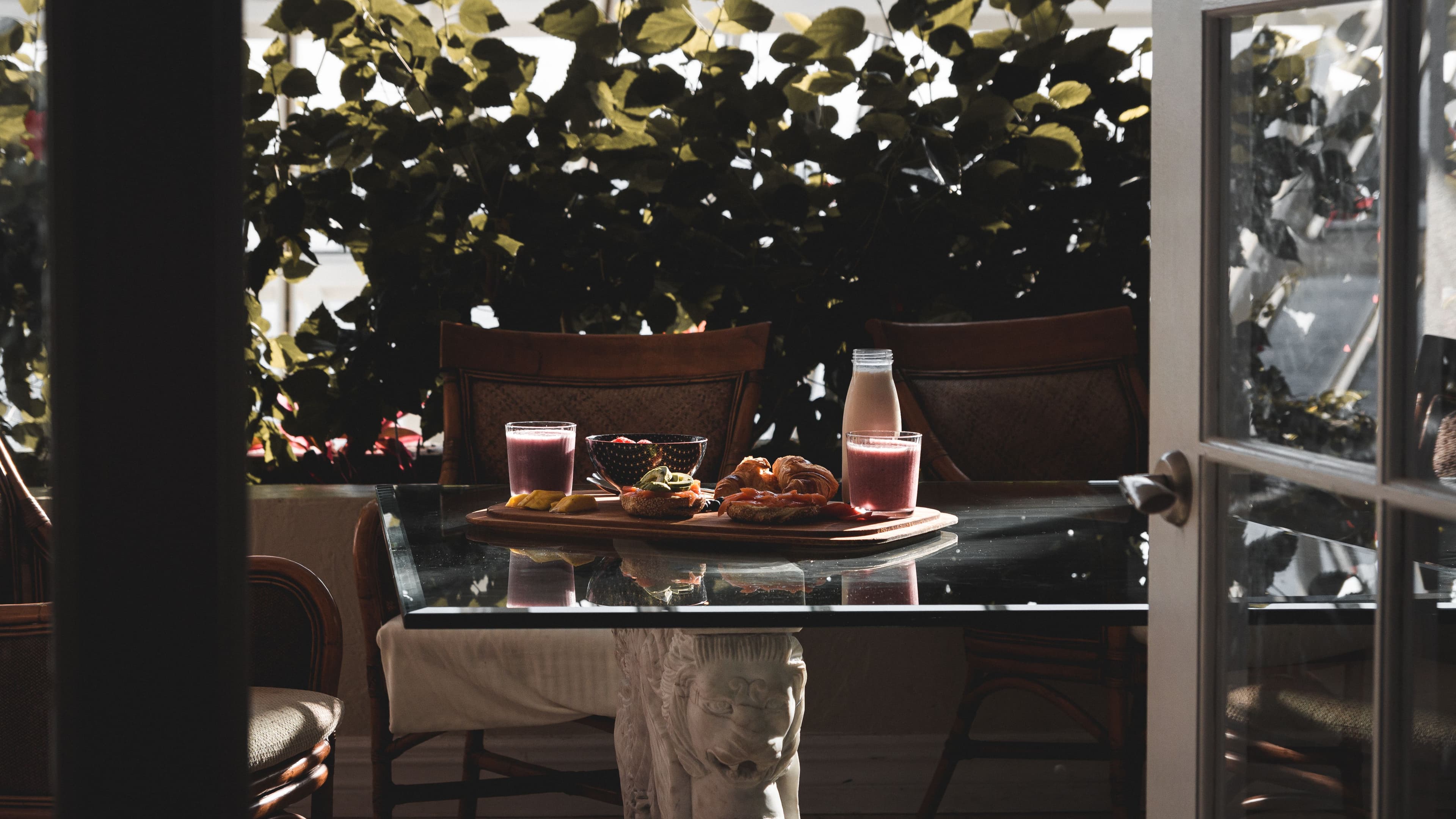
On the hour after the eating stops, and why it cannot be scheduled.
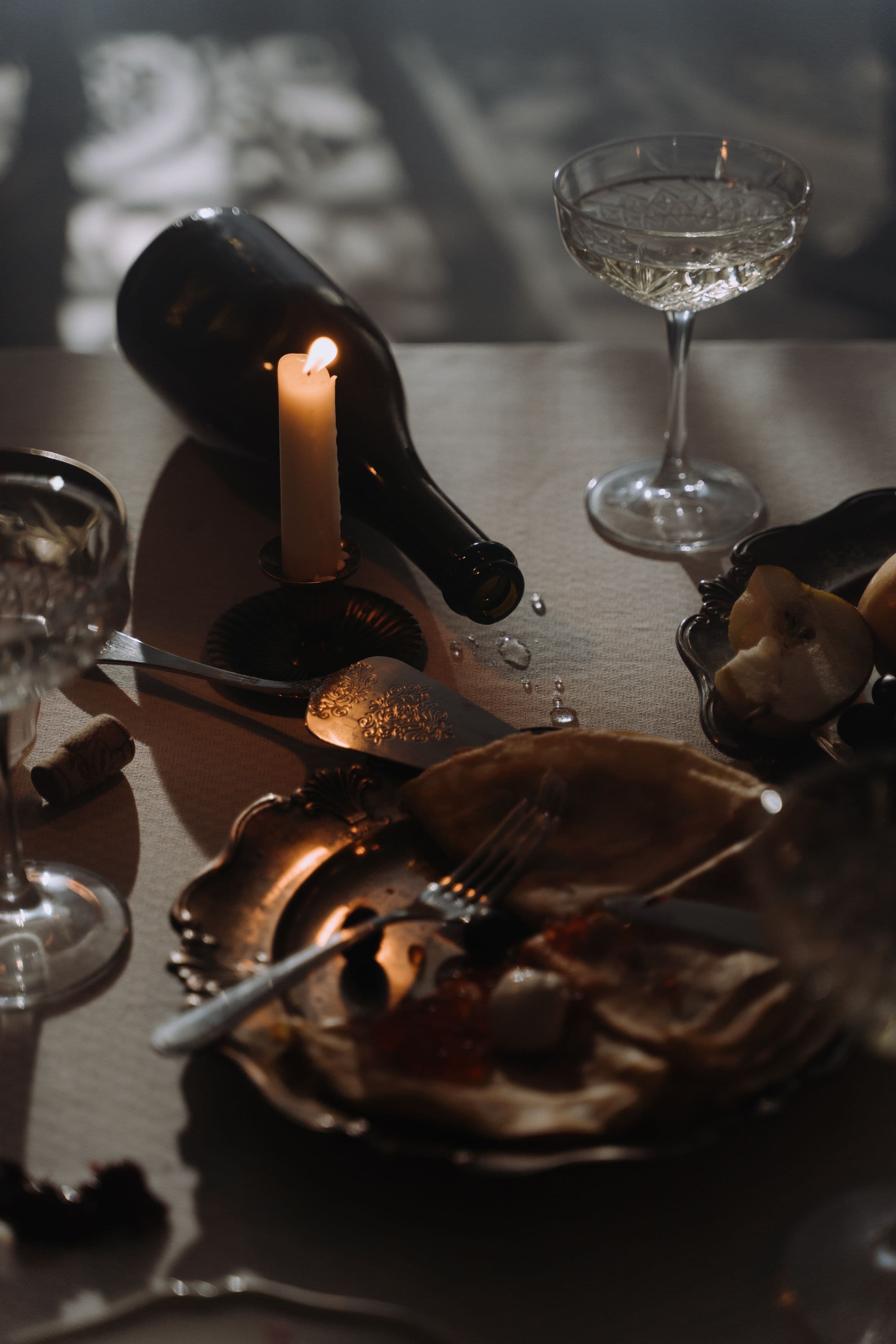
There is a point in some meals when the eating stops and nothing else does. Nobody announces it. A glass is turned slowly by its stem. Someone has pushed back from the table only to cross one leg over the other, and someone else has put both elbows on the cloth, which they would not have done an hour ago. The talk has changed pitch. It is slower, with more laughter in it, and people have begun to say, no, but listen, before telling something they have plainly been waiting to tell.
The food was the reason for the meal and it is finished, and yet the meal goes on. It is the stretch people most often mean when they say they had a good time, and the hardest to account for afterwards.
The word for it
Spanish has a word for this stretch. Sobremesa, literally "over the table", is the time after the food and before anyone gets up, spent in talk. English has nothing as exact. The nearest we have is "lingering", which sounds like a failure to take a hint. Sobremesa assumes the opposite: that the meal was a way of getting people to the table, and what comes after is what they were there for.
Where the talk goes
Conversation at the start of a meal is mostly about the meal and the morning: the traffic, the bread, who is arriving later. It takes time to get from there to whatever people actually wanted to say. Anyone who has stayed to the end of a long lunch will recognise that the best thing said at it was said in the last half hour, and could not have been said in the first. The register has to be reached, and nobody can be hurried into it.
The Oxford psychologist Robin Dunbar surveyed two thousand British adults about their meals. Those who ate with other people more often described themselves as happier and more trusting. The evening meals that left people feeling closer had involved more people, more laughter and more reminiscing, as well as, the paper notes, alcohol. It is a self-reported survey about evening meals, which can describe a pattern but cannot settle its cause, and Dunbar himself says experiments would be needed. It did not ask about a long Sunday breakfast. But laughter and reminiscing both take time to arrive, and a meal that ends when the food does leaves little room for either.
Time as evidence
We decide how much we enjoyed something partly by how long it felt. In laboratory experiments, people were led to believe a task or a song had taken less time than it really had, and they judged it more enjoyable. It seems we take time passing quickly as evidence of a good time. These were tasks and songs, not dinners, so the finding can only be carried so far. But it suggests why meals like this are judged afterwards. You do not feel yourself staying. You work out, later, how long it was, and the sum is what tells you.
A meal with no edge
Two marketing researchers, Gabriela Tonietto and Selin Malkoc, found something related about leisure. When people scheduled an enjoyable activity for a fixed time, it began to feel more like work, and they looked forward to it less and enjoyed it less. When the plan was looser, with no set time attached, the effect disappeared. They were studying leisure activities, not lunches, and what follows is our own inference, not their finding. But it is hard not to think of the difference between an invitation to a late morning that says come around eleven and one that says eleven until one. The first has a beginning and leaves the end to the people. The second puts a clock in the room, which everybody is aware of even when nobody looks at it.
Hosts who leave the end open are not being careless. They have decided the beginning and trusted the rest.
The door left open
There is a difference between a meal that runs on and one that cannot find a way to stop. The second is a trap, and everyone at it knows. People seem to stay most freely where they could go without offence: where the coats are easy to reach, where nobody would be wounded by a glance at the time, where the host has made leaving as plain as staying. A guest who knows she could leave is freer to remain.
Rooms people stay in
What lets a table go on is also physical, and mostly unglamorous. A seat with some give in it, because nobody stays long on a hard chair, whatever they say about the company. A room warm enough that no one is quietly planning an errand for a cardigan. Light that has stopped glaring by the afternoon. A kettle near enough that making tea does not need anybody to disappear, and a table stocked so that no one has to leave it. People stay where their bodies are comfortable, and credit the conversation.
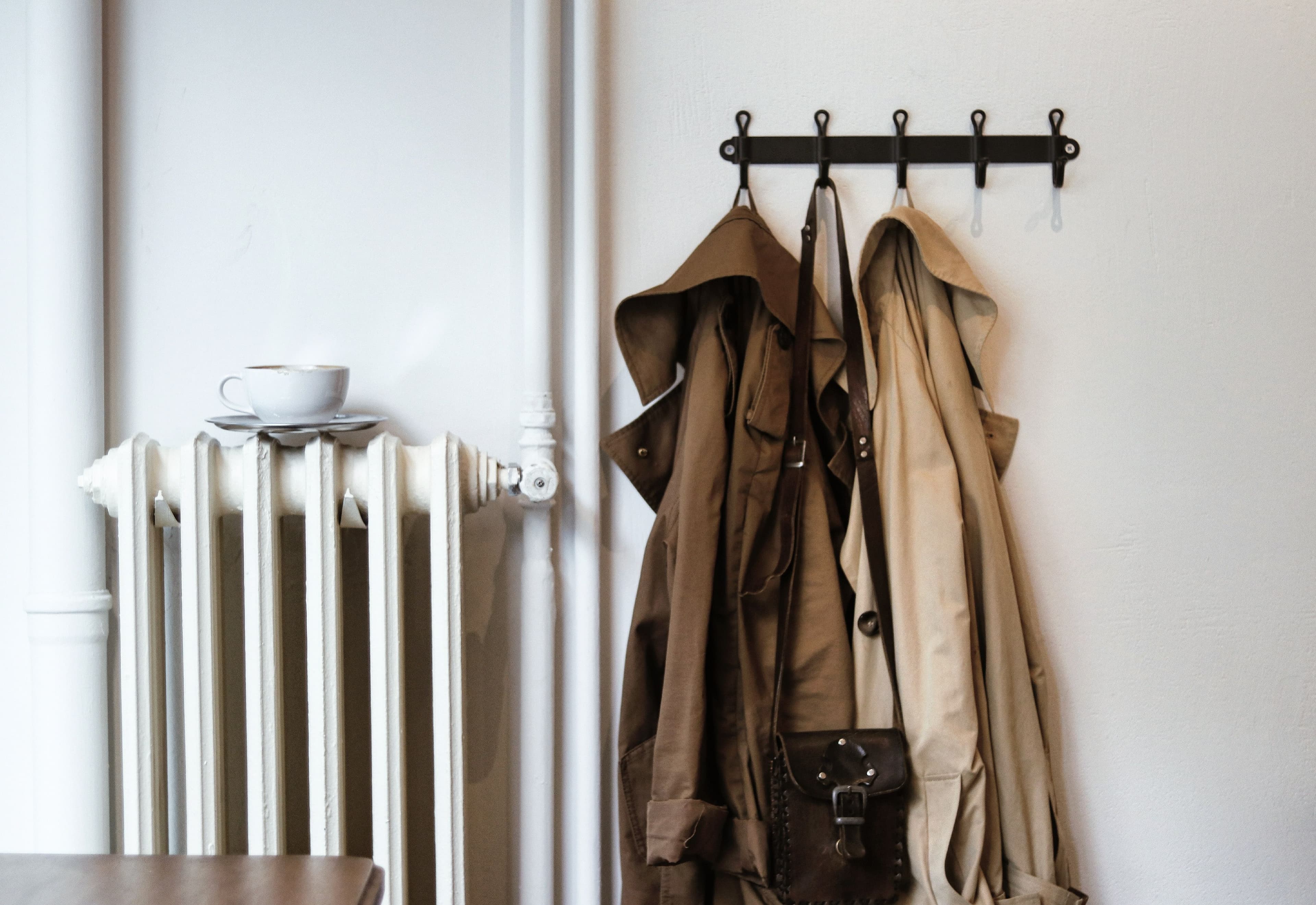
People who have stayed a long time at a table take a long time to leave it. The goodbye starts at the table, moves to the hall, and carries on at the door, with a coat on and a hand on the latch and someone remembering one more thing to say.
Keep this one
Save it to Pinterest.
Share this story
Things worth noticing
A note from Twenty Acres, occasionally. New stories, beautiful things, and the details we're keeping.