
A Table Nobody Has to Leave
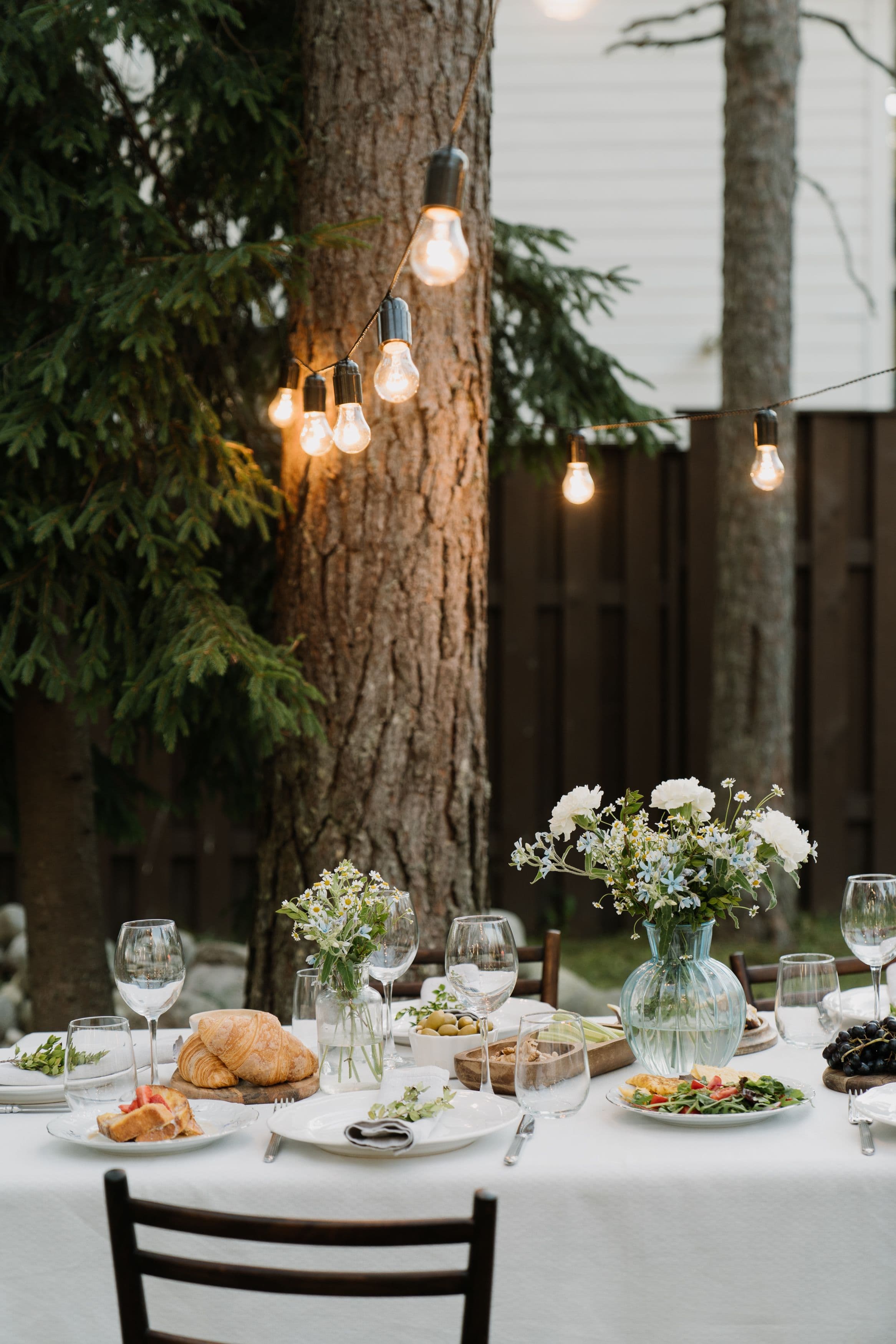
On what a host can arrange beforehand, and why a meal goes better when no one has to stand up.
Sit through a long meal at someone's house and count the times a chair is pushed back. Someone goes for milk. Someone goes for a knife, or a cloth, or more water. The host is up and down more than anybody, and each time the host goes a guest half-rises, hovering over the chair, asking whether there is anything they can do. By the end of an hour the table has been left and returned to a dozen times, and what is odd is how little of it anyone remembers. The meal seemed to go smoothly. It simply had more gaps in it than it needed.
Most advice about preparing a table is about how it will look. A duller question turns out to be more useful: what will somebody have to get up for?
The cost of a minute
An interruption is small. Standing, crossing a room, finding the thing and coming back takes perhaps a minute. But a conversation does not pause for a minute the way a film does. The person who was halfway through a story must either stop for whoever has left or carry on without them, and a story told into a gap loses a little of its nerve. When the person sits down again they ask what they missed, and it is told a second time, shorter. Over a long afternoon a table can become a series of beginnings.
Nobody intends this. And the encouraging part is that nearly every reason for getting up can be seen coming.
Rehearsing the meal
A host whose long morning runs well has often done something that looks like fussiness and is really rehearsal. Beforehand, they sit in a guest's chair and go through the meal with their hands. They lift an imaginary cup, reach for the butter, pour a glass, look for the salt. Whatever is out of reach, or not there at all, is a reason to get up that has been found early instead of at the moment it is needed.
Sitting there tells you things a plan of the table cannot: that the sun lands on one place at eleven, that the seat against the wall is the one nobody can leave without everyone else standing, that whoever sits at the end will be asked to pass everything. It is a small education in what it is to be a guest, and a host who has had it seldom has to apologise for the table.
The reasons are few, and they repeat. Something is missing: a knife for the butter, a spoon for the jam, milk for the coffee. Something has run out, which is usually water, because a glass empties without anyone noticing and then everyone notices at once. Something is too far away: the sugar left on the bench, the bread still beside the toaster. And something is finished and has to go somewhere: the empty bottle, the jam lid, the eggshells, the plates.
Doing the errands early
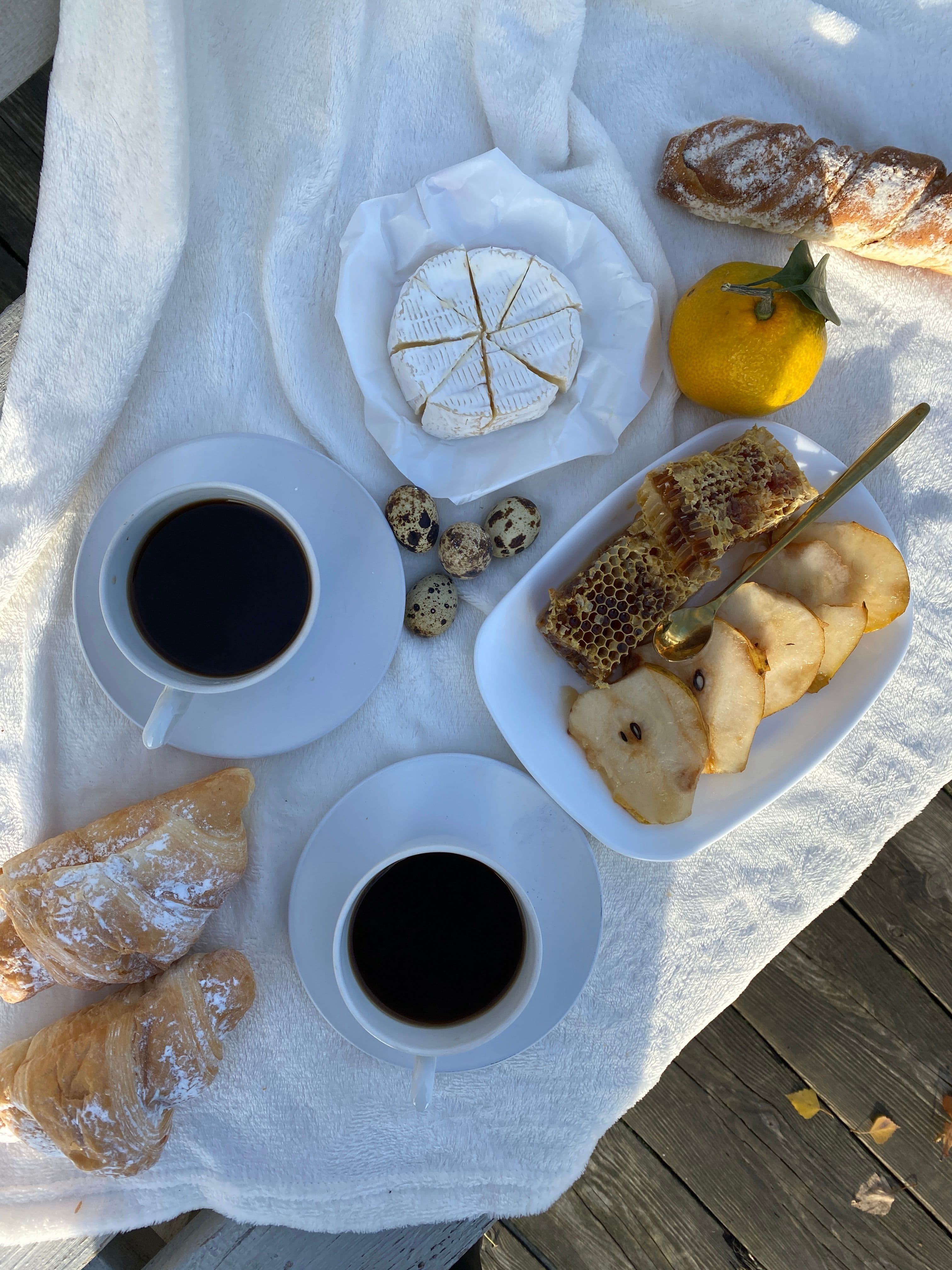
Named like that, they are mostly easy to deal with in advance. The milk goes into a small jug and the jug onto the table, which spares everyone the carton. The butter has its own knife and the jam its own spoon, standing in the pot. There is a second jug of water, so that one can be filled while the other goes round. Much of this lives in the middle of the table, which is a question of its own.
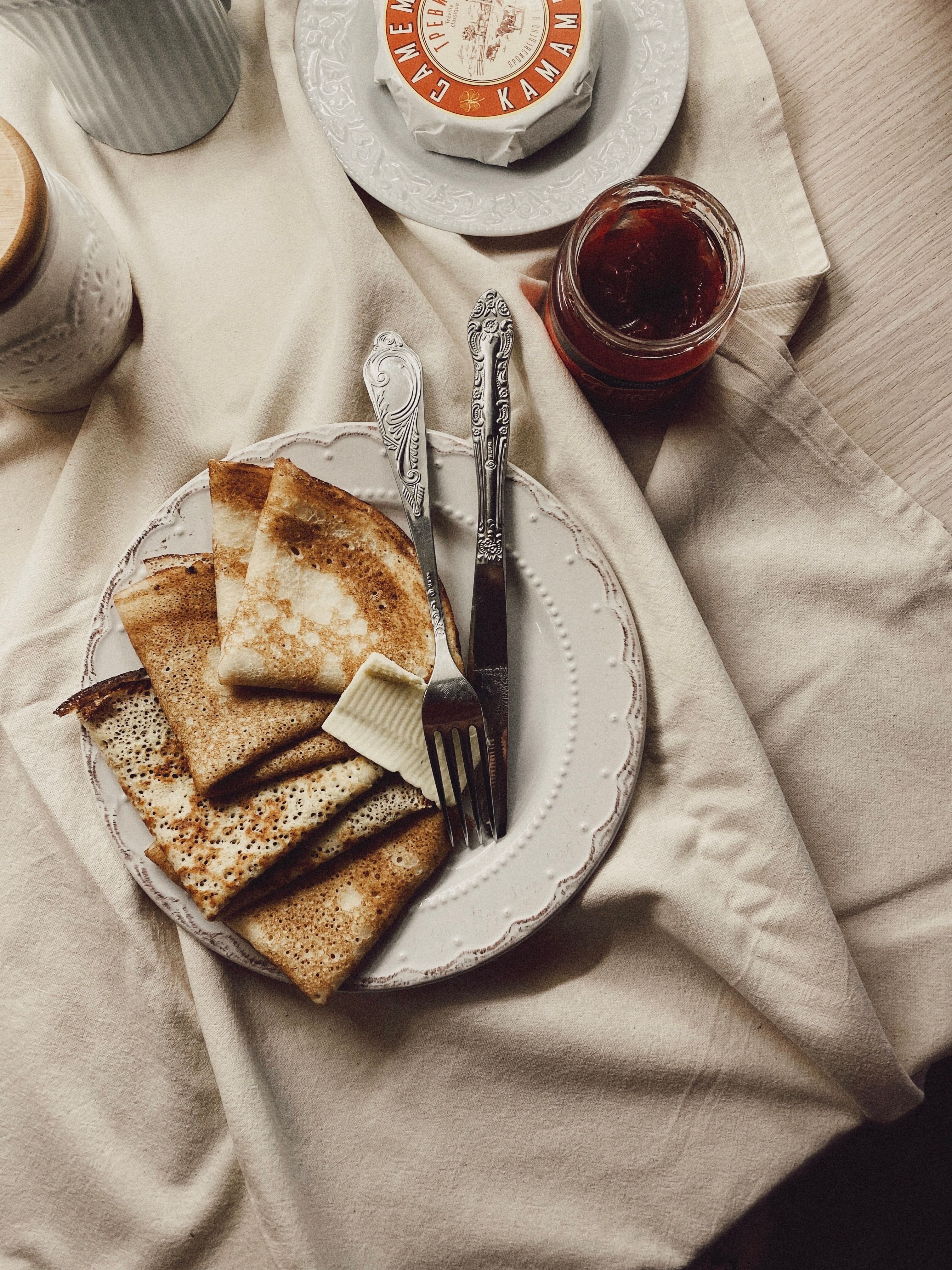
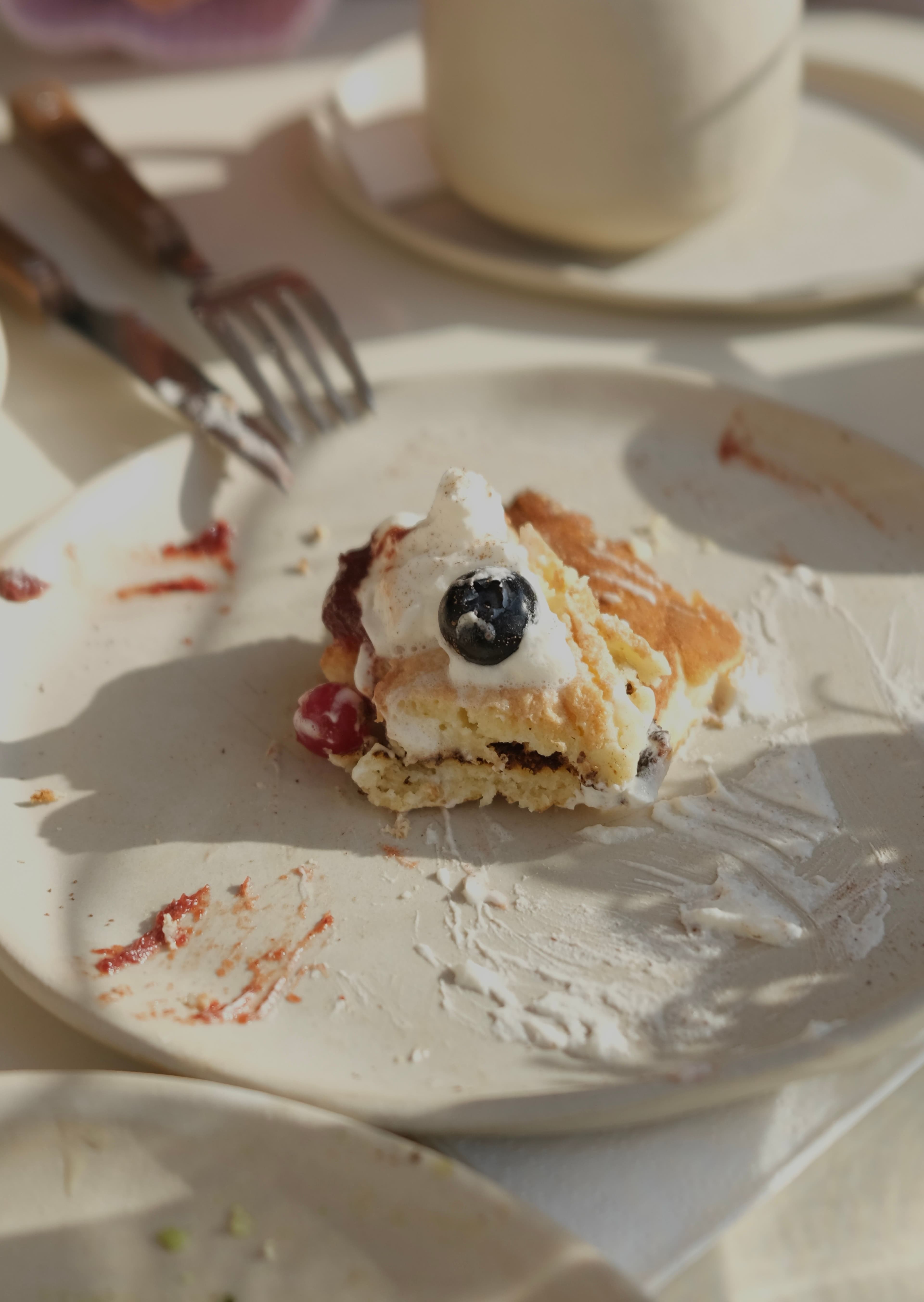
The last of these is the one most often forgotten, and it makes the largest difference: a place for what is finished. A tray or a board at the end of the table, or a small table pulled in beside it, where plates can be stacked and the bottle and the jam lid put down. Without it, used things travel to the kitchen one at a time, each carried by someone who then has to come back. With it, the table is allowed to look by the end as lived-in as it has felt, and nobody has been sent out of the room on its account.
All at once
A meal that arrives in waves needs someone to bring each wave. The eggs, then the toast, then the fruit: every course is another errand, and the person running them is gone for the part of the conversation that mattered. The meals that run most easily tend to be spreads and not sequences. The bread, the cheese, the fruit and one or two dishes that are as good lukewarm as hot are on the table together, and the table feeds itself. There is a modest craft in choosing food that does not mind waiting, and it is mostly a matter of having decided that the meal is the people and not the cooking.
The guest who half-rises
There is another kind of getting up that foresight can only partly remove, and it belongs to the guests. Politeness lifts people out of their chairs. Can I do anything? Let me take those. It is generous, and it is also a small tax on the occasion, because a guest who helps is a guest who has left the table, and a host who accepts has shortened the meal by one person at a time. A table that is ready lets the host say, no, stay where you are, and mean it, because there is honestly nothing left that needs doing. It may be the most hospitable thing a prepared table does. It gives people leave to stay put.
A well-prepared table is hard to see. To a guest it looks like a table at which things happen to be where they are wanted, and the convenience feels like luck. Nobody comments afterwards on the milk in its jug, or the spoon in the jam, or the tray at the end. They go on with what they were saying.
Keep this one
Save it to Pinterest.
Share this story
Things worth noticing
A note from Twenty Acres, occasionally. New stories, beautiful things, and the details we're keeping.