
The Best Crystal Glasses for Everyday Use
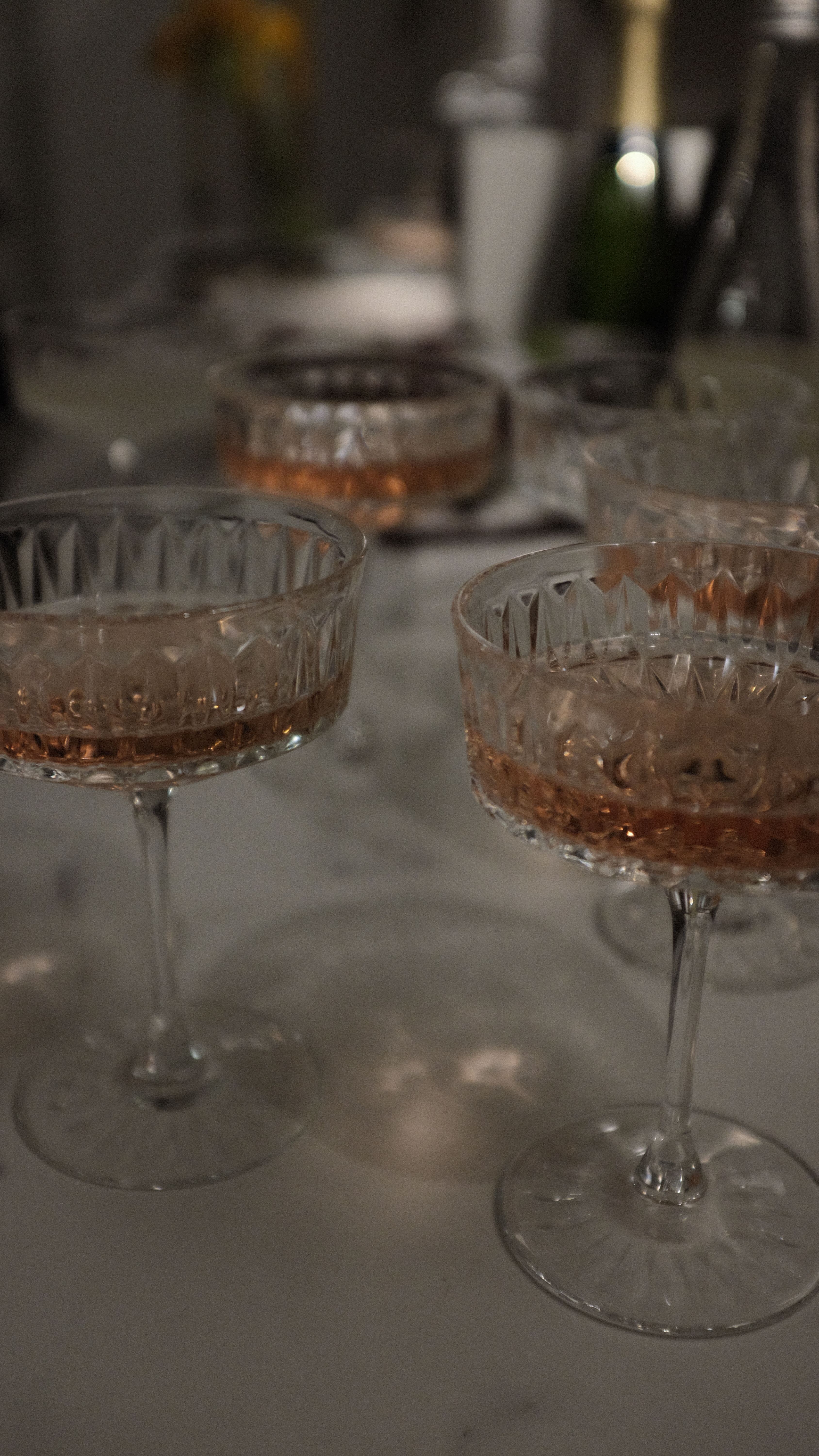
There is something slightly absurd about owning beautiful glasses that only come out when someone important is coming over. They sit behind a cabinet door for months, wrapped in the sort of care usually reserved for things that are actually fragile, while a Tuesday dinner gets whatever is nearest to hand. A good glass should survive a Tuesday. If it can't, it isn't doing its job.
The most useful kind of luxury is often the one that becomes ordinary through repeated use. A glass reached for without thinking, rinsed and put back on the shelf between a weeknight glass of wine and a glass of water at breakfast, earns its place in a way that a glass kept for occasions that may never arrive simply doesn't. This isn't an argument for buying more glasses. It's an argument for choosing ones that are actually meant to be used, and then using them. The Glasses Worth Using makes that case in general terms. What follows is the more practical question that tends to come next: which glasses, made of what, and what do they actually ask of you in return.
Crystal Is Not Quite What People Think
"Crystal" gets used loosely, and it covers more ground than most buying guides admit. Traditionally, lead crystal is glass made with a significant proportion of lead oxide added to the mix. The exact terminology and legal definitions vary between markets. The lead softens the glass during manufacturing, which historically made it easier to cut by hand, and it also raises the glass's refractive index, giving it more sparkle and a particular ringing sound when tapped.
Modern glassware has moved well beyond that one formula. RIEDEL, for instance, has said that since 2015 it has exclusively produced Crystal Glass, rather than traditional leaded crystal. Schott Zwiesel takes a different approach again with its Tritan Crystal, which replaces lead with titanium and zirconium, additions the brand credits with the glass's strength as much as its clarity. Waterford continues to make lead crystal glassware alongside lead-free ranges, so the two categories sit side by side even within a single long-established maker.
None of this means all lead-free crystal is the same, or that one formulation is simply a cheaper stand-in for another. They're different materials, developed for different reasons, and a glass's quality has as much to do with how it's designed, finished and weighted as with which formula the manufacturer chose. The word "crystal" on a box tells you less than it seems to.
What Actually Makes a Good Glass?
Once you get past the marketing, a glass is really a small collection of physical decisions: how thin the rim is, how the bowl is shaped, how the whole thing balances in the hand.
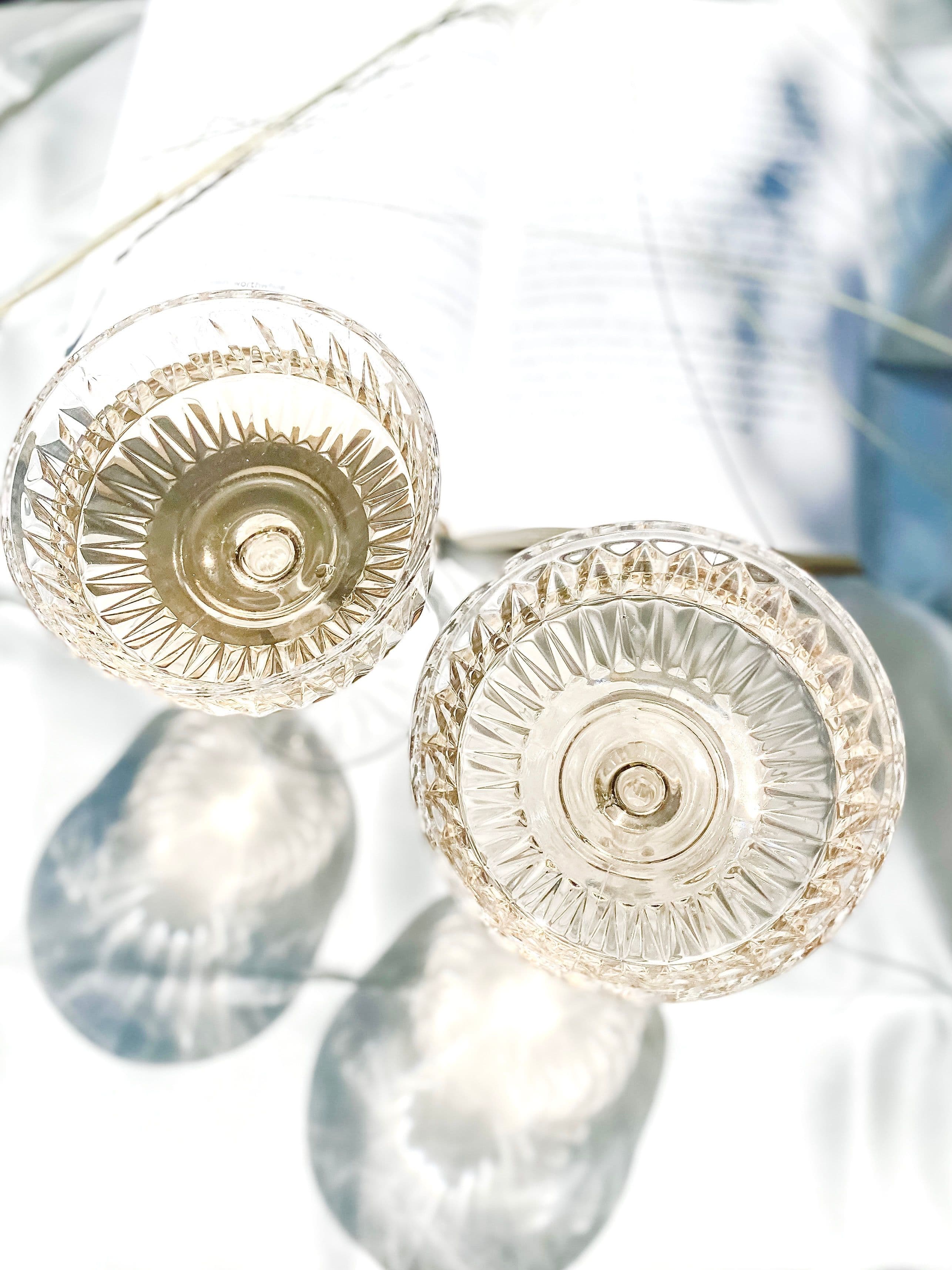
A finer rim tends to feel better against the lips and lets wine or water reach the tongue without the glass itself getting in the way, which is part of why cut-crystal rims are so often left smooth and polished rather than left with the seam of manufacture. But thinness for its own sake isn't a virtue. A glass also has to survive being picked up, set down, washed and occasionally knocked against another glass in a toast, and a rim ground so fine it can't withstand ordinary handling isn't actually a better glass. It's a more anxious one.
Bowl shape matters more than most people think about at the point of purchase. A narrower bowl concentrates aroma; a wider one lets a wine open up and breathe. Capacity matters too, less because a bigger glass looks more generous and more because wine needs room to be swirled without spilling over the rim. The stem, when there is one, affects balance and keeps a warm hand away from the bowl, which matters more for whites and sparkling wines than reds. And weight is its own quiet signal: a glass that feels insubstantial can feel careless in the hand, while one that's needlessly heavy stops feeling like crystal and starts feeling like a paperweight.
None of these qualities exist in isolation. A glass with a beautiful rim and an awkward stem is still an awkward glass. The measure that actually matters is whether the whole object is pleasant to hold, pleasant to drink from, and easy enough to live with that it doesn't spend its life in a cupboard.
The Universal Glass vs the Wine-Specific Glass
Anyone who has spent time in a well-stocked glassware aisle has run into this decision: one all-purpose wine glass that does a reasonable job with everything, or several shapes built around particular wines.
The case for a single shape is straightforward. It's less to store, less to wash, less to think about, and for most people most of the time, a well-designed all-purpose glass will do more for a bottle of wine than an ill-fitting one, whatever it claims to be designed for. The case for varietal-specific glasses is that a bowl shaped around a particular wine's aromatics genuinely changes how it presents: a wider bowl for a Burgundy, a narrower one for a delicate white, and once you've tasted the same wine from both, the difference is hard to un-notice.
There isn't a single right answer here, and it depends less on the wine than on the household. Someone who drinks the same style of wine most nights of the week may be far better served by owning one excellent all-purpose shape than by managing four different varietal glasses for one or two bottles a month. Someone who entertains often, drinks a genuine range of wines, and has the cupboard space might reasonably build up several shapes over years, adding them slowly rather than all at once. The question worth asking isn't which is objectively better. It's which one you'll actually use.
The Glasses Worth Knowing
A handful of makers cover most of the useful ground here, each taking a genuinely different approach rather than competing on the same terms.
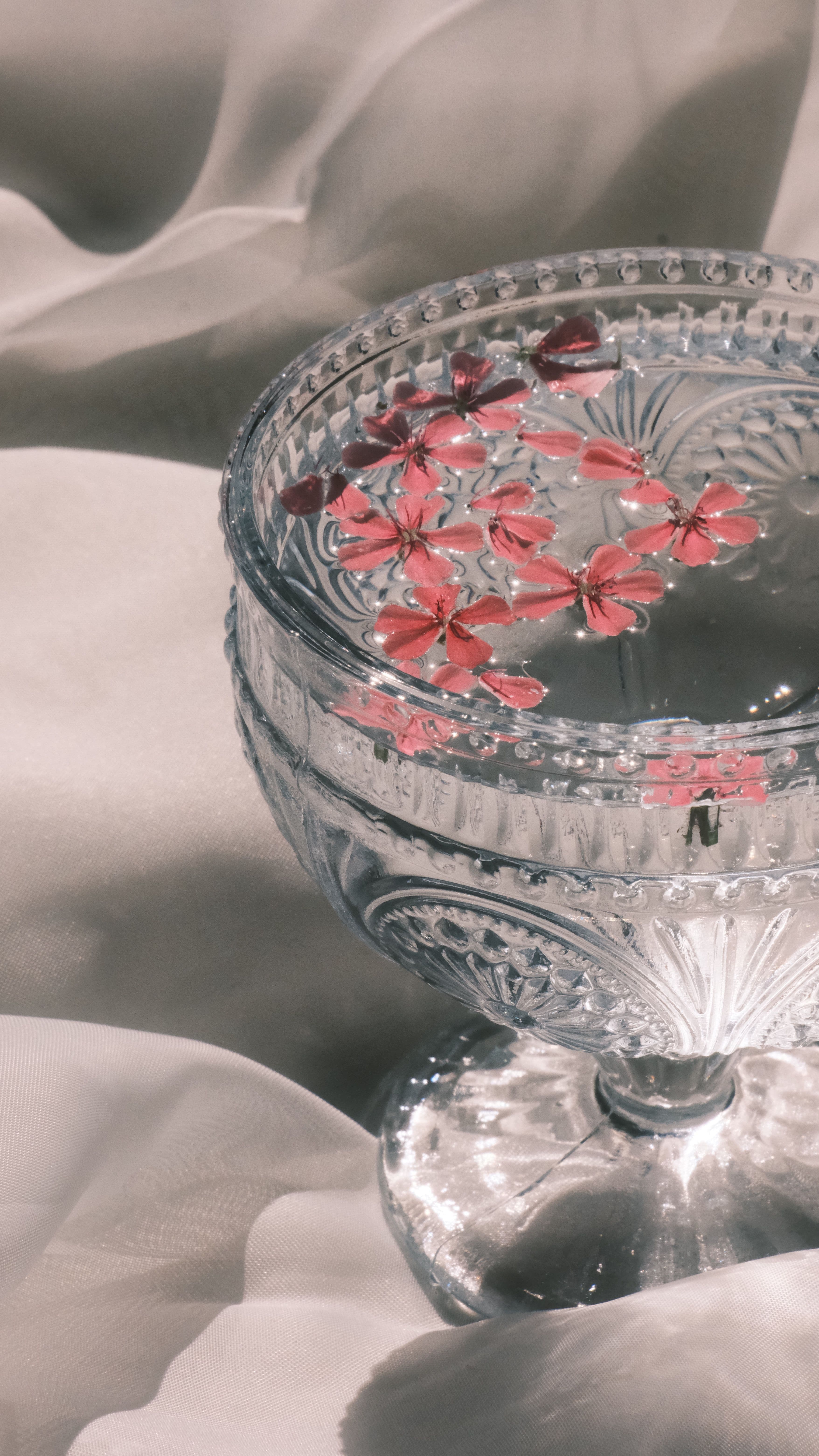
For the traditional crystal lover. Waterford is the maker most people picture when they hear the word "crystal," and its range still carries that identity: cut patterns, Irish glassmaking heritage, a recognisable silhouette on the table. Lismore remains its best-known cut-crystal pattern, and the Elegance range offers a simpler, more contemporary silhouette without the deep cutting, for anyone who wants the Waterford name without the full decorative weight of Lismore.
For wine-specific shapes. RIEDEL built its reputation around the idea that the shape of a glass affects how a wine presents, and collections such as Vinum and Performance take that approach seriously. Rather than treating the glass as decoration around the wine, the bowl is designed around the characteristics of particular wines and styles. It is a different starting point from cut crystal altogether, and one that makes sense for someone who notices the difference between drinking a wine from one shape and another.
For someone who doesn't want hand washing to become part of the ritual. Zwiesel Glas makes the case for everyday use from the opposite direction. Its Tritan Crystal formulation is built specifically around durability, and the brand positions it around resistance to chips, scratches, cloudiness and repeated dishwasher use. For a household that genuinely will run wine glasses through the dishwasher on a Tuesday, this is a meaningfully different proposition from hand-wash-only crystal.
For those who want something exceptionally light. Zalto sits at the more rarefied end of the category. Its Denk'Art glasses are mouth-blown in Austria from lead-free crystal, each one made individually rather than machine-pressed, which is part of why they're priced and handled differently from the rest of this list. They're exceptionally light and reward careful handling, whatever the washing method. This isn't a glass for a household that wants to stop thinking about breakages entirely; it's for someone who has decided the extraordinary lightness is worth the extra care.
These aren't ranked, because there isn't a single winner here. They're four different answers to the same underlying question: what do you actually want a glass to do for you. The right one depends entirely on the household asking it.
Can Crystal Glasses Be Used Every Day?
This is really the question underneath all the others, and the honest answer is: it depends on the glass, and the manufacturer's own instructions are the ones to follow, not generic internet advice.
Waterford's current care guidance recommends hand washing crystal and glass separately in warm soapy water, and specifically warns against twisting the bowl in the opposite direction to the stem while washing or drying, since this can damage the piece. It also notes that dishwasher heat, friction and detergent can dull or scratch the surface over time. That doesn't mean Waterford can never be used often. It means the maker is asking for a particular kind of handling in return for its particular kind of finish.
RIEDEL takes a more permissive line for most of its current range: the brand states that most RIEDEL glasses are dishwasher safe, while individual products marked otherwise should be hand washed. The instructions that come with the specific glass in front of you take precedence over any general rule, including this one.
Zwiesel Glas designs explicitly around the opposite priority, positioning its Tritan Crystal formulation around dishwasher resistance and durability rather than asking the owner to build hand washing into the ritual. Zalto's glasses, being hand-blown and exceptionally light, still reward careful handling, but the current Denk'Art range is dishwasher-safe according to the maker.
The practical upshot: care requirements genuinely differ by maker and even by range within a maker, and the most useful question to ask before buying isn't "is crystal fragile" but "what does this particular glass actually ask of me, and am I willing to give it that."
How Many Glasses Do You Actually Need?
This is more of a household question than a shopping one, and it resists a tidy formula. Two excellent glasses can be genuinely enough for a couple who mostly drinks together at home: enough to use every week, easy to replace if one breaks, no pressure to protect a large set from ordinary wear. Four gives more flexibility: room for a guest or two without reaching for whatever's left in the cupboard. Six starts to make sense for a household that entertains with any regularity, and beyond that, additional shapes are usually better added slowly, as a genuine want rather than a full set bought at once.
The point isn't the number. It's that a small collection actually used is worth more than a large one kept mostly in storage, wrapped in tissue paper, waiting for an occasion that keeps not arriving.
What to Look For
Stripped of brand names, the checklist is short:
- A rim that feels fine in use rather than uncomfortably heavy or unnervingly delicate
- A stem, if there is one, that feels balanced rather than top-heavy
- A bowl suited to what you actually drink most, not what you might drink occasionally
- Construction that matches your actual tolerance for hand washing, dishwashers and the odd chip
- A shape you genuinely like the look of on your own table, not someone else's
- Reasonable replacement availability, so a broken glass from a set doesn't mean starting over
- Storage that keeps rims protected without requiring a special occasion to bring the glasses out
- Enough glasses that using one doesn't come with a small flinch about being down to the last of a set
None of this requires a rare or expensive glass. It requires a glass that fits the way you actually live, which is a different exercise from finding the most impressive one in the shop.

Use Them
A beautiful glass shouldn't need an occasion to justify itself. The point of owning good glassware was never really about possessing something precious. It's about making the ordinary glass of wine, or water, or whatever happens to be in hand on a Tuesday, feel a little better because the object holding it is good.
Buy the glass that suits how you actually live. Then use it, on the nights that don't feel like they call for anything special at all.
Keep this one
Save it to Pinterest.
Share this story
Things worth noticing
A note from Twenty Acres, occasionally. New stories, beautiful things, and the details we're keeping.