
The People You Meet at the Yard
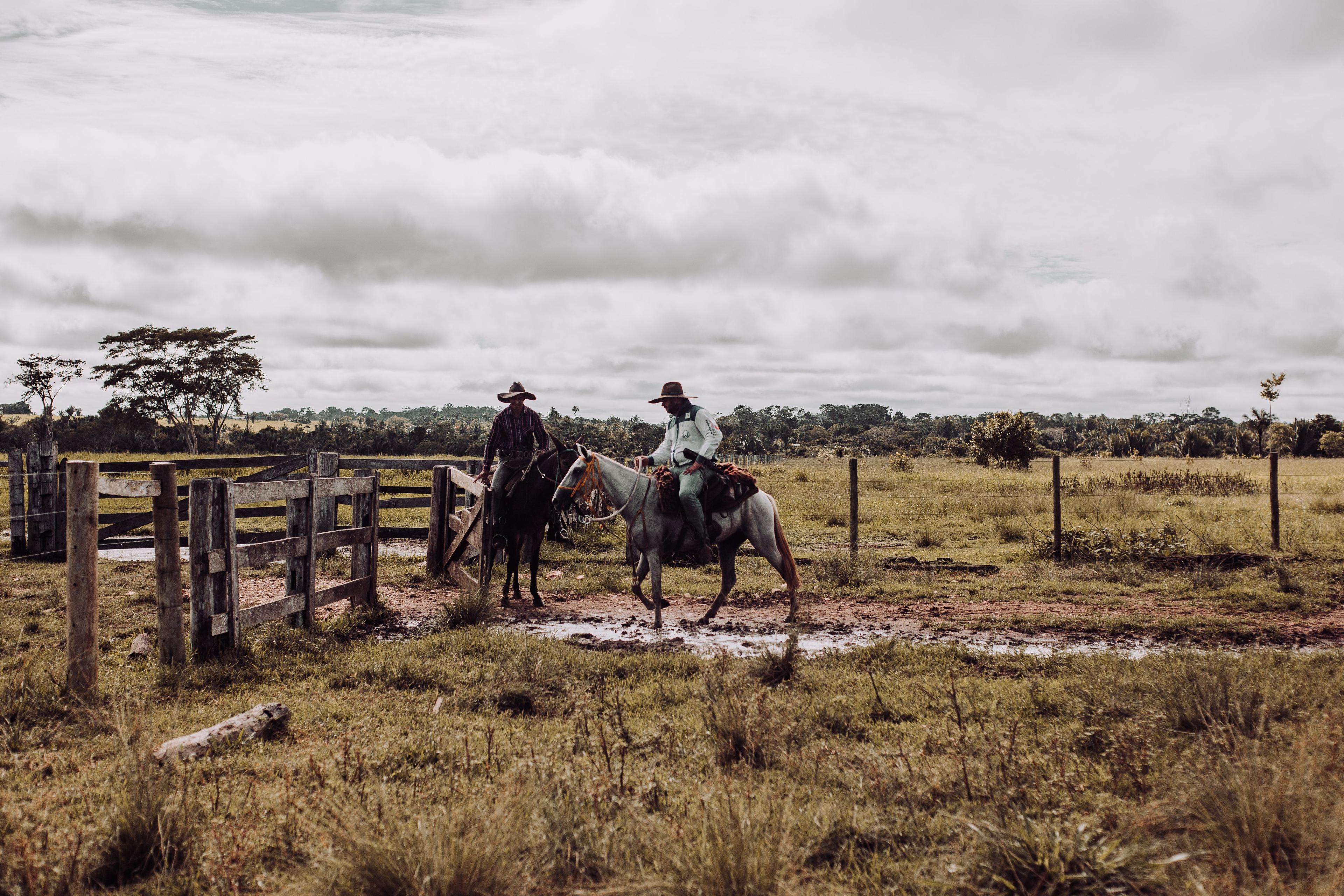
There is a gate at the yard that only closes if you lift it. Nobody remembers being told. You learn it by failing once, in front of a horse that is now standing in the lane, and the next time you lift without thinking, and the time after that you lift it for someone else.
That is nearly all of how it begins. You arrive, with a horse, or a lesson, or a borrowed pony, and for a long time you are a person in the wrong boots. Nobody is unkind about it. It is simply that everything here has a way it is done, and the way is not written down. The third stable door sticks. The tap by the wash bay runs hot if left. The grey in the end paddock is not to be fed by anyone but the woman who owns him, and is fed by everyone, and the woman who owns him knows.
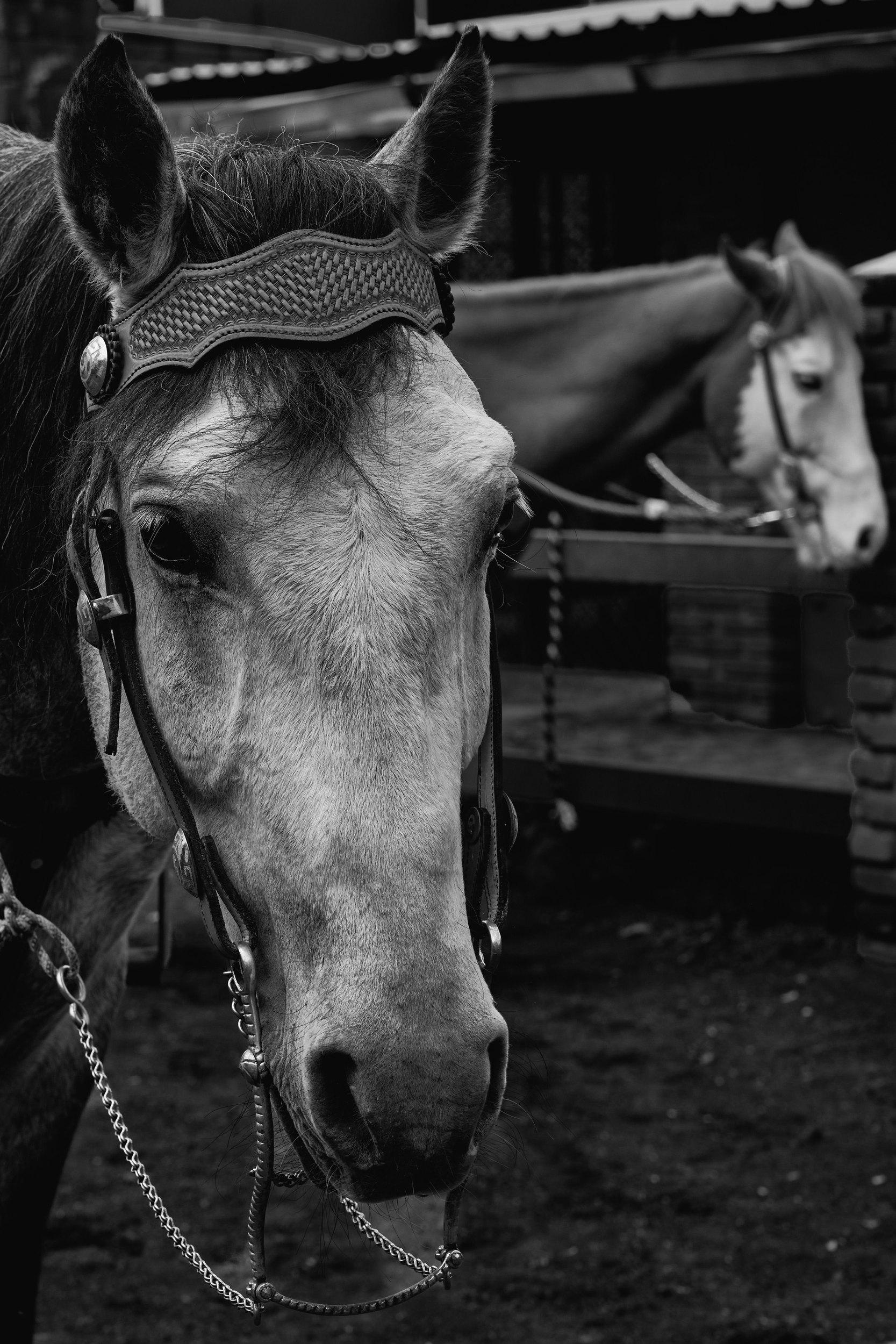
The first thing you learn about a person here is their horse. You know the bay with the white sock long before you know the owner's name, and by the time the name arrives, in some other context, on a feed bag or at the end of a text, you have forgotten that you did not have it. People are the grey's owner, the mare's girl, the man with the old Welsh pony. It is not rude. It is how people are filed here, and nobody minds the filing, since being known by what you care for is not the worst way to be known.
Which is why the conversations begin where they do. Is he sound today? Has she come right? The question is about the animal, and the answer is about the person. A tired voice says the mare was off her feed. Somebody else turns out to have spent the week with a sick relative and a horse who knew. Nothing has to be asked directly. The horse is the third party in the conversation, and both people are looking at it, which is a much easier way to stand beside someone than facing them. It is also why it can be the horse who notices everything that people talk about first.
Then the small usefulness. You hold a gate. You carry a bucket for someone with two. You find a rug on a fence three paddocks from where it belongs, and you know whose it is, which is the first time you realise you do. Someone says would you mind holding him while the farrier is on the phone, and it is a longer moment than it looks: you have been trusted with a large and unpredictable thing for four minutes. Nobody says thank you very much, and nobody should. It is accepted with a nod, like a coat handed back.
There are people who are always there. The woman whose car is in the yard at half past six in every weather, who has no official role. The man who rakes the sand before anyone has asked. They are not in charge. They are simply what the yard has formed around, and when one of them is away the place seems to have lost a hinge.
No one keeps count here, and everyone knows the count. The yard runs on small debts that are never called in: a horse brought in when rain came, a rug put on, a message that someone's float is stuck at the gate. If you wanted to know who matters here you would not ask. You would look at who is holding the end of a rope.
They see you in your yard clothes, and say nothing about it. At seven, in a hat, with wet hair under it and a coat that has had an incident with a hay net. They have never seen you in anything else. They know the one version of you that arrives on Saturdays, who is practical and slightly cold, and who cannot be bothered to be impressive. It is odd to realise that some of the people who know you best in a given week know nothing about what you do on the other days.
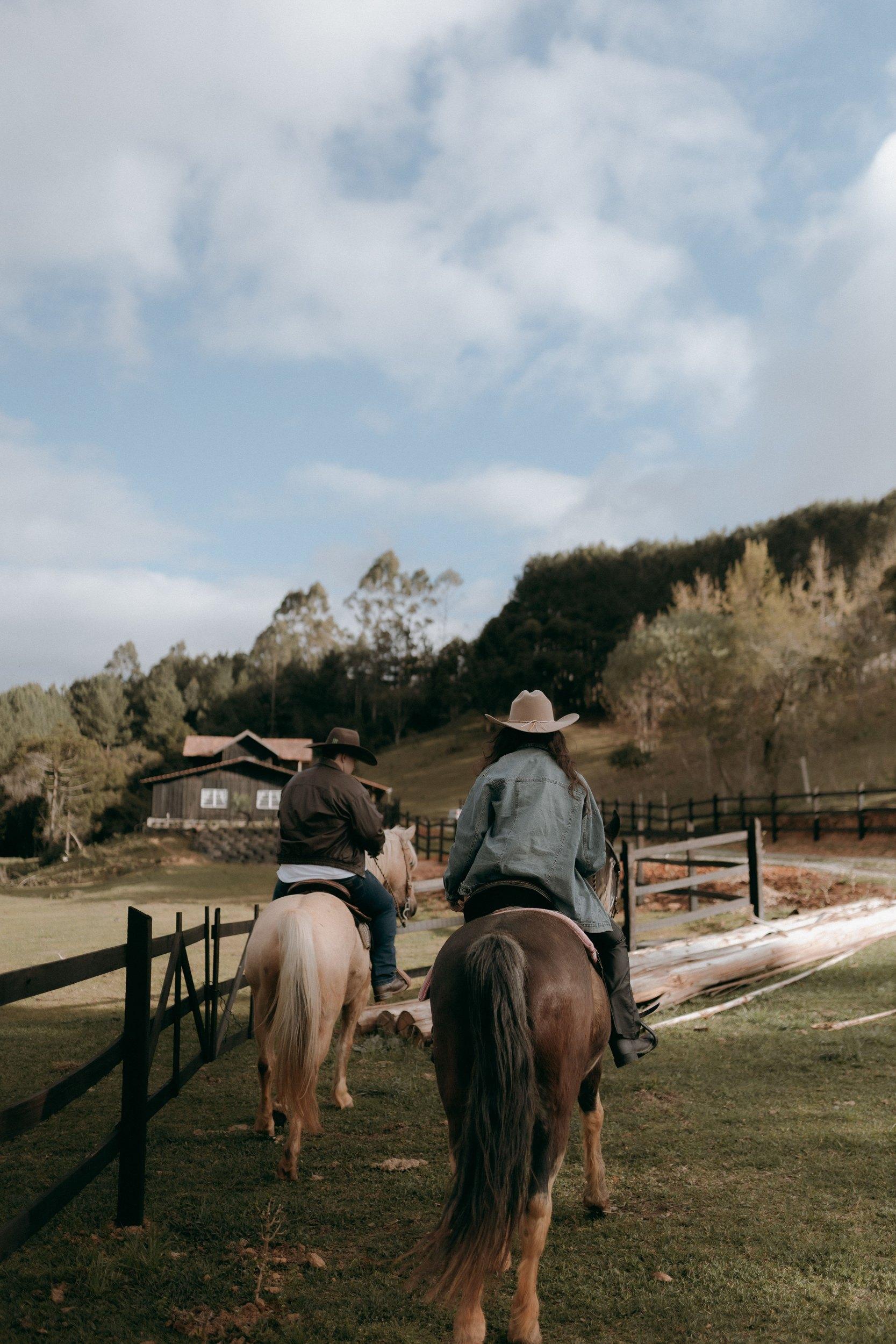
Yards differ. It may be a riding club with a roster pinned to a wall, a livery yard with a kettle and a rule about the wash bay, or two paddocks behind a farmhouse. The same things happen in all of them. The people nod before they speak, and some of them become friends and most of them do not, and nearly all of them become familiar, which is a different thing and sometimes the better one.
One morning a person you have never seen is standing at the gate, with a horse on the end of a rope and the expression you once had. She is looking at the latch. You hear yourself say it before you have decided to.
Lift it.
Keep this one
Save it to Pinterest.
Share this story
The Twenty Acres Club
An archive of things worth noticing. Receive our private seasonal notes on the wardrobe, the house, travel and the small details that make a life its own.