
The Quiet Luxury Capsule Wardrobe: 15 Pieces Worth Keeping
The problem with most wardrobes isn't that they hold too few clothes. It's that the clothes don't belong together. A wardrobe can be full and still leave someone standing in front of it with nothing to wear, because what's hanging there is a collection of individual decisions rather than a working system — a trend piece here, an impulse buy there, three near-identical black tops in slightly wrong shades, nothing that actually goes with anything else.
A capsule wardrobe isn't about owning as little as possible. It's about owning enough of the right things that getting dressed becomes instinctive — where pulling out any two or three pieces at random still produces something that works. That comes down to compatibility: material, proportion, colour and construction, chosen with enough consistency that the pieces can be recombined almost without thinking.
What Makes a Wardrobe Feel Expensive?
Not the price paid for it. A wardrobe can look considerably more expensive than it cost, and an expensive wardrobe can still look cheap, worn the wrong way or fitted badly.
What actually reads as expensive is fabric that drapes and moves the way it's supposed to rather than fabric that looks stiff, shiny in the wrong places, or pills after a few wears. It's fit — clothes cut for the body wearing them rather than approximately the right size — and proportion, where the balance between a garment's length, width and the rest of the outfit is considered rather than accidental. It's colour coherence, where pieces sit in a related family instead of clashing or competing for attention. And it's restraint: fewer visual ideas happening in one outfit, rather than a print, a slogan, a statement hardware detail and a bold colour all fighting at once.
None of this requires spending more. It requires paying attention to different things than most shopping habits are trained to notice.
Forget the Magic Number
There's no universal capsule wardrobe number — not 33 pieces, not 15, not any other figure repeated across the internet as though it were a rule rather than someone else's personal count. The number that matters isn't how many pieces are in the wardrobe. It's how many outfits those pieces can create.
Don't count the wardrobe. Count the combinations. Ten pieces that only combine with themselves in a handful of ways are less useful than eight pieces that can be rearranged into two dozen genuinely different outfits, because they share compatible colours, weights and levels of formality. The size of a wardrobe is a much less useful measure than its flexibility.
The Pieces Worth Building Around
These aren't a shopping list. They're a framework — the kinds of pieces that, chosen well, tend to justify the space they take up for years rather than seasons. Not every piece will suit every wardrobe or every life; the point is understanding what to look for in each, not acquiring all fifteen.
The white or ivory shirt. The most versatile piece in almost any wardrobe, and also the easiest to get wrong. Look at how the fabric behaves under light — cotton poplin should have a slight sheen and structure rather than looking flat or papery, and it shouldn't go sheer in ordinary indoor light. Check the collar: a well-made shirt has a collar with some body to it, not one that curls or collapses within a day. It works under a blazer, alone with tailored trousers, tucked into a skirt, or layered under a knit — which is exactly why it earns disproportionate space in a small wardrobe.
The perfect T-shirt. Deceptively hard to get right. The fabric should have enough weight that it doesn't cling or go sheer, and the neckline should hold its shape through repeated washing rather than stretching out within a month. A well-cut T-shirt in a heavier cotton jersey looks more considered than an expensive logo T-shirt in a flimsy one — this is one of the clearest places where fabric weight matters more than brand.
The fine knit. Cashmere is the obvious example, but "cashmere" on a label says less than people assume. Ply — the number of yarn strands twisted together — affects warmth and weight, but doesn't by itself determine quality; a well-made single-ply knit can outlast a poorly made two-ply one. What matters more is fibre length and how tightly it's spun: hold the knit up to the light and look across the surface for fuzz. A small amount indicates longer fibres and less future pilling; a fuzzy halo across the whole surface is a warning sign. Give it a gentle stretch — quality knitwear springs back to shape; poor knitwear stays stretched.
The cardigan. The connective piece — it should be able to sit over the T-shirt, under a coat, or alone with trousers. Look for a gauge (the density of the knit) that holds structure rather than one so loose it looks unfinished, and check that the button placket lies flat rather than pulling.
The tailored trouser. Fit here matters more than fabric, though the two are related — a wool or wool-blend trouser holds a crease and drapes in a way that cheaper synthetic blends don't. The waistband should sit without gapping or digging, and the hem should break at a length that suits the shoe it's most often worn with. A trouser that needs to be tugged back into place through the day was never actually the right size.
The good jean. The one pair that fits well enough to wear constantly rather than the trend cut that photographs well but sits awkwardly. Denim weight and stretch recovery matter more than the wash — a jean that keeps its shape through a full day of wear is doing more work than one that looked perfect in a fitting-room mirror at 9am and stretched out by lunchtime.
The simple skirt. A single well-proportioned skirt — knee-length or midi, in a fabric with enough structure to hold its shape — works with nearly everything else in a considered wardrobe, precisely because it isn't trying to be the statement piece.
The day dress. One dress that requires no real decision-making: appropriate for a range of ordinary occasions without needing to be dressed up or down dramatically to get there. The test isn't how it photographs — it's whether it can be worn to three genuinely different things in the same week.
The blazer. Structure is what a blazer is actually offering, so check the shoulder line first — it should sit at the natural shoulder without pulling or bunching, since that's the hardest and most expensive thing to alter later. A well-constructed blazer softens even very casual pieces underneath it.
The wool coat. Likely the single most expensive piece in the wardrobe, and the one where fabric weight is the most honest indicator of quality — a coat that feels insubstantial in the hand will feel insubstantial in genuinely cold weather. Check that the lining lies flat rather than bunching, and that the coat has enough room underneath for real layering, not just a T-shirt.
The leather loafer. Full-grain leather — the uppermost, unsanded layer of the hide — ages by developing a patina, softening and deepening in colour with wear. It also shows the hide's natural imperfections, which is a sign of authenticity rather than a flaw. Corrected-grain or bonded leather, by contrast, has an artificially uniform texture stamped onto it and tends to crack or peel rather than age. Press a finger into the leather: genuine full-grain leather stretches and wrinkles slightly, the way skin does; bonded leather simply depresses and holds its shape unnaturally.
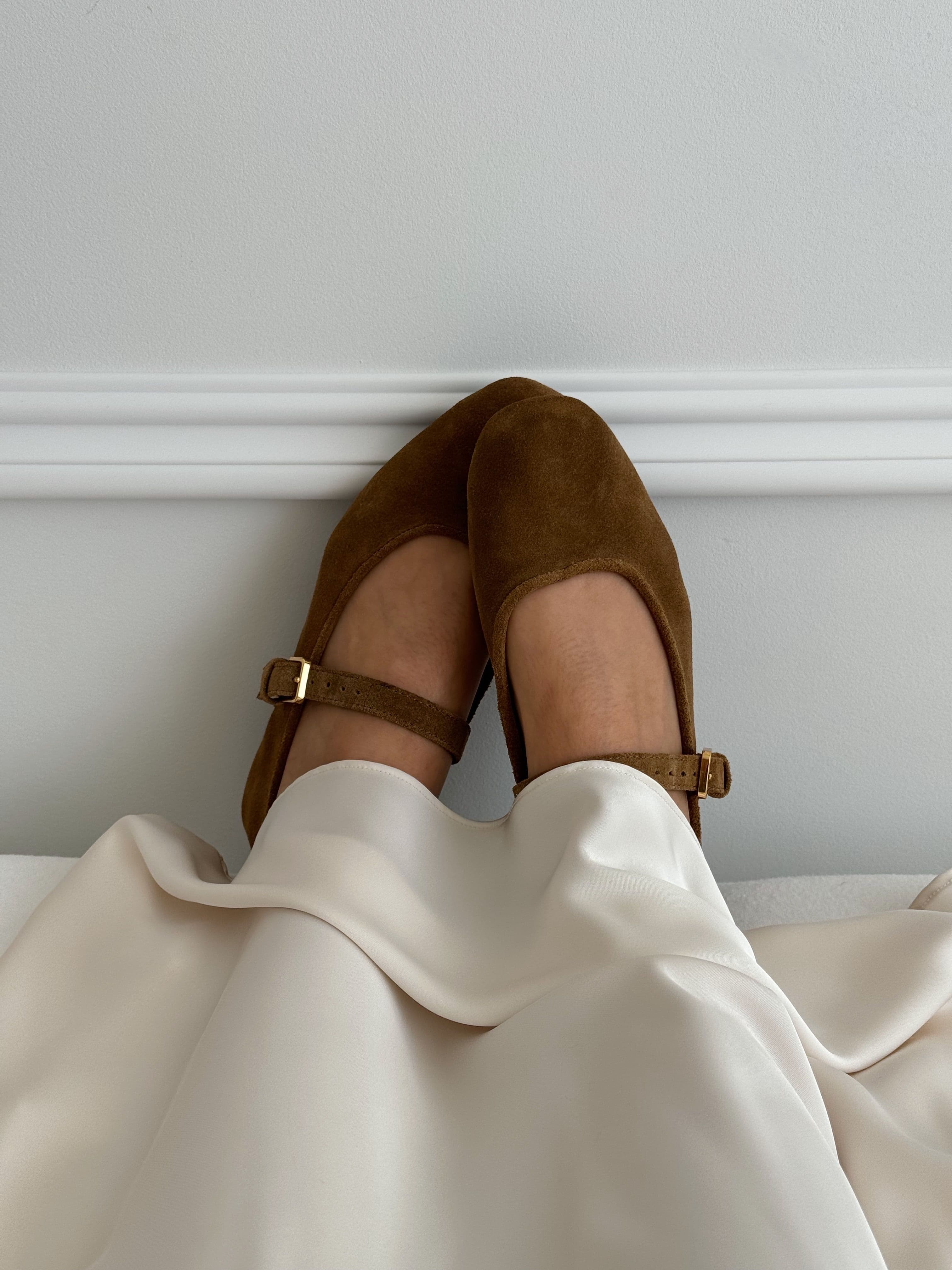
The ballet flat. The quieter counterpart to the loafer — genuinely comfortable rather than merely photographing as comfortable, in a leather that will crease naturally rather than crack.
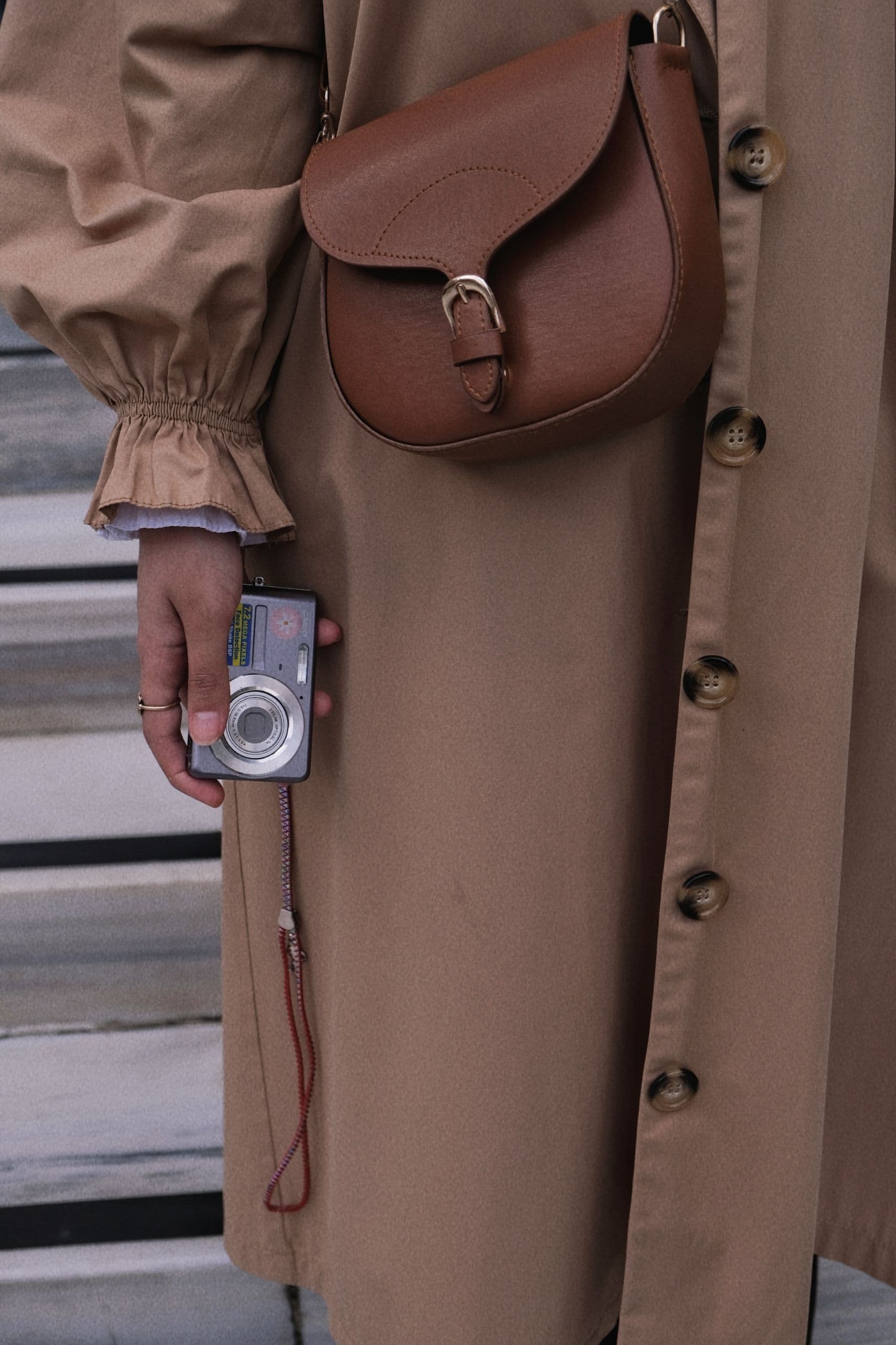
The simple leather bag. One bag, chosen for structure and proportion rather than logo visibility, does more for an outfit than several trend bags cycling in and out of relevance. The same full-grain leather principles apply — look at the edges of the leather where it's cut; a dense, fibrous cross-section indicates real hide, while a flat, paste-like edge suggests a bonded or synthetic material underneath a leather-look surface.
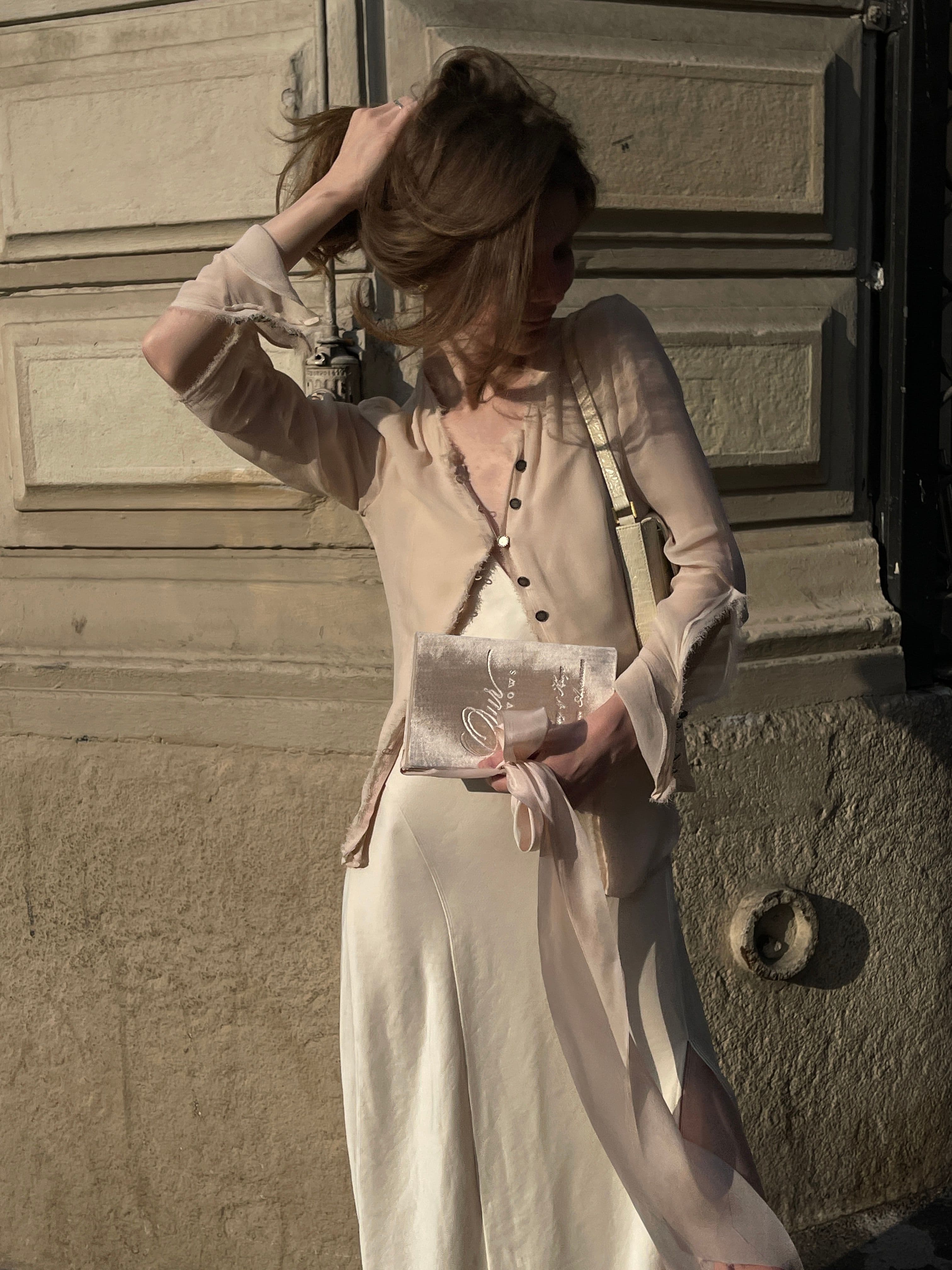
The silk scarf. Weight is measured in momme, and it genuinely correlates with how a silk scarf drapes and holds up — a very light momme scarf will feel delicate and less durable, while something in the middle range holds shape and colour better over years of wear. There's no single correct momme for every use, but an unusually light, slippery scarf that clings to itself when you try to fold it is usually a lower-momme, shorter-lived piece.
The beautiful belt. A single well-made leather belt, in a width and colour that works across trousers, skirts and dresses, does more for an outfit's proportion than most people expect from one small accessory.
The Three-Colour Test
A simple framework, not a rule: two foundation neutrals — something like ivory and a warm camel, or navy and stone — plus one supporting colour that shows up in a handful of pieces. This isn't about being monochrome or afraid of colour; it's about making sure most pieces can be worn with most other pieces without a colour clash forcing a decision every morning.
A wardrobe doesn't need to be built entirely from neutrals to pass this test. It needs its colours chosen deliberately enough that new pieces have an obvious place to sit, rather than existing as one-off exceptions that only work with one other item.
The Three-Outfit Rule
Before buying anything, a useful test: can you immediately imagine three outfits using things you already own? Not eventually, not with a hypothetical future purchase to bridge the gap — immediately, with what's already in the wardrobe.
If the honest answer is one outfit, or none, the piece is probably being bought for the idea of an occasion rather than an actual, existing life. This one habit, applied consistently, prevents more wasted purchases than almost any other single piece of advice.
Buy the Fabric, Not the Label
A brand name tells you very little on its own. The fabric tells you almost everything, once you know what to look for.
Cotton should feel substantial rather than papery for shirting, with a weave tight enough that you can't easily see light through it when held up. Wool, for trousers, coats and suiting, should have some spring to it when pinched and released — it shouldn't stay creased from a light squeeze. Cashmere is judged by fibre length and spinning quality more than by ply count or softness alone; unnervingly soft cashmere in a shop is sometimes a sign of chemical softening treatments rather than genuinely fine fibre, and can wear out faster than it feels like it should. Linen wrinkles — that's simply the fibre, not a flaw — but heavier-weight linen holds its shape and drapes with more substance than the very lightweight linen used for summer basics, which is worth knowing before assuming a wrinkled linen shirt is poorly made. Silk is judged by momme weight for anything structural, and by how it catches light for anything decorative — genuine silk has a particular soft, slightly uneven lustre that most synthetic imitations render as a flatter, more uniform shine. Leather is judged first by grain: full-grain leather shows the hide's natural, irregular surface and ages into a patina, while corrected-grain, "genuine," and bonded leather are increasingly processed, uniform, and prone to cracking or peeling rather than ageing gracefully.
None of this requires becoming a textile expert. It requires touching the fabric, pinching it, holding it to the light, and trusting what that tells you over what the label promises.
What to Stop Buying
A few categories of purchase quietly undermine an otherwise considered wardrobe.
Pieces that only work in one outfit — a specific colour or cut that has exactly one partner already in the wardrobe and no obvious future ones. Trend purchases bought at the peak of visibility, which tend to look dated faster than they took to become popular. Duplicates bought because the original was misplaced or forgotten about, rather than genuinely worn out. Purchases made for an imagined future life — the version of the week that involves more formal dinners, or more hiking, or more travel than actually happens. False bargains, where the appeal is the discount rather than the piece itself, and the item is worn once to justify the price before disappearing into the back of the wardrobe. And novelty mistaken for personal style — buying the unusual piece because it feels distinctive in the shop, when a considered wardrobe's actual distinctiveness comes from how consistently its pieces relate to each other, not from any single attention-grabbing item.
Stop confusing novelty with personal style. The two are not the same thing, and a wardrobe built around the first rarely settles into the second.
The Wardrobe Should Change With You
A capsule wardrobe doesn't necessarily need to keep shrinking. The goal isn't minimalism as an end in itself — it's a wardrobe that becomes more recognisably yours over time, not smaller for its own sake.
That means genuine wear is allowed, and even welcome. A coat with years of use in it, a bag with the leather softened from actual carrying, a shirt collar that's been washed enough times to have real character — these aren't signs of a wardrobe wearing out. They're signs of one being used the way it was meant to be. Repair and alteration belong in this picture too: a good coat re-lined, a hem adjusted after a change in the shoes it's usually worn with, a button replaced rather than the whole shirt retired. Sentiment has a place as well — a piece kept past the point of pure logic because it means something, worn less often but still genuinely wanted, is not a failure of the system.
The wardrobe worth having isn't the smallest possible one. It's the one that keeps earning its place, piece by piece, for exactly the reasons it was chosen in the first place.
Keep this one
Save it to Pinterest.
Share this story
Things worth noticing
A note from Twenty Acres, occasionally. New stories, beautiful things, and the details we're keeping.