
How to Choose a Cabin Bag for the Way You Travel
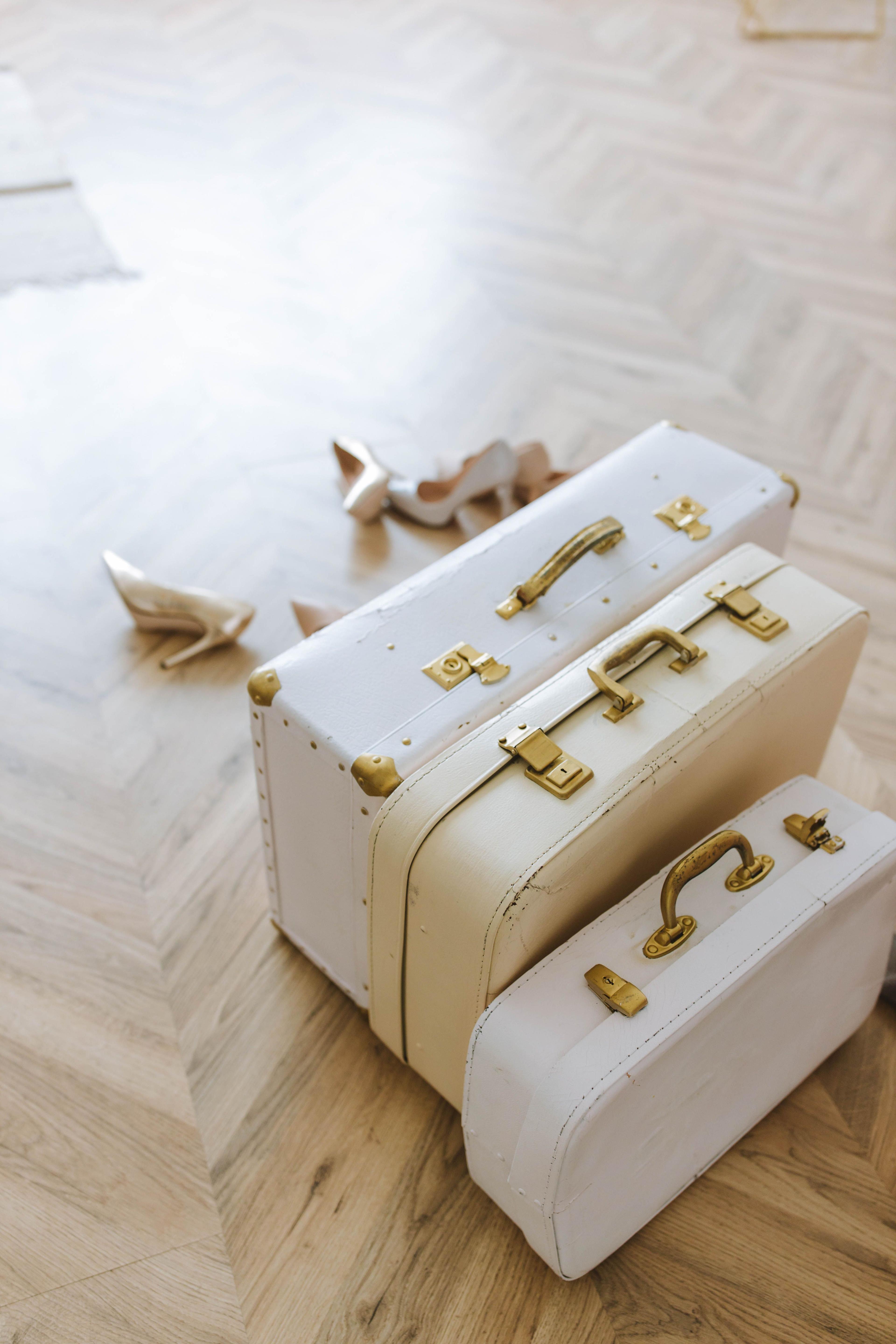
There is a particular ease to moving through an airport with everything in its proper place. The bag rolls straight behind you or sits comfortably on one shoulder. The passport is where your hand expects it to be. At the gate nobody measures anything, and in the cabin the bag slides into the locker on the first attempt, leaving you free to sit down and look out of the window.
The opposite is just as familiar: the case that is a little too deep for the sizer, the zip that strains over one last jumper, the handle that rattles on a cobbled street, the strap that cuts into a shoulder by the second terminal. None of these is a disaster. Together they take the pleasure out of the first and last day of a journey, which is a shame, because those are the days a good bag is meant to improve.
Choosing a cabin bag well is mostly a matter of knowing how you travel, and then looking at a handful of details that make a real difference.
Begin with how you travel, not with the bag
It is tempting to start with a product, but the better starting point is a plain description of your trips. How long are they: a weekend, a week, a fortnight? Do you travel by air alone, or do trains, trams and cobbled streets feature as much as runways? Do you ever check a bag, or is carry-on all you take? Do you carry a laptop, or a camera, or the odd bottle of something from the market on the way home? Do you travel alone, or with someone who will want to share the load?
A person who takes four short flights a year, mostly for weekends, needs something quite different from a person who spends a month moving between cities with one bag. Neither needs the most elaborate option available. The aim is a bag that suits your habits, not an idealised traveller's.
The allowance comes first
The most useful number in this decision is not on the bag. It is the allowance set by your airline, and it varies by airline, by fare and sometimes by route. Some airlines allow a standard cabin bag with a small personal item. Some low-cost fares allow only a small bag that fits under the seat. On connecting journeys, check the cabin baggage rules for each flight and confirm which carrier's allowance applies to your booking. The rules may differ between airlines, particularly when separate tickets are involved.
Check the airline's own page for the exact dimensions and weight before you buy, and again before you fly, because policies change. Some airlines measure the bag including wheels and handles, so a case that looks right on the label can be slightly too large in practice. Check how yours measures, and measure the bag yourself.
Weight is the quieter constraint. A bag has a weight of its own before anything goes into it, and that weight comes out of your allowance. If, for example, an airline allowed 7kg and the empty bag weighed 3kg, you would have 4kg left for everything you are taking. Those figures are only an illustration, not a standard allowance, so use the limit that applies to your own booking. A lighter bag gives you more room to be generous with what goes inside, though the lightest materials are not always the most durable, and that is worth knowing before you choose.
Hard shell, soft shell or something else
The main structural choice is between a hard case, a soft case and the alternatives, and each has its merits.
A hard shell holds its shape and protects what is inside it, which matters if you carry anything fragile. It can also keep its shape well in a train rack or on a conveyor belt, though scuffs and scratches show. Its drawback is that it does not give. If the locker is tight, a rigid case either fits or does not.
A soft case has a little give, which can help in a crowded locker, and it often has outside pockets where a passport, a book or a scarf can live. Fabric can mark and wear in ways that a hard shell does not, and a soft bag protects less well against a heavy knock.
A holdall or duffel is light, easy to squeeze into small spaces and pleasant to carry for short distances, but it is harder on the shoulder when full and offers less structure for folded clothes. A backpack frees your hands for stairs, cobbles and platforms and suits a trip that involves a lot of walking, though it can be harder to organise and less comfortable if you carry it for a long time. A structured weekend bag suits short trips by train or car well, but may be less happy being wheeled through an airport.
None of these is better in itself. Each suits a particular kind of journey.
Wheels, handles and the way a bag moves
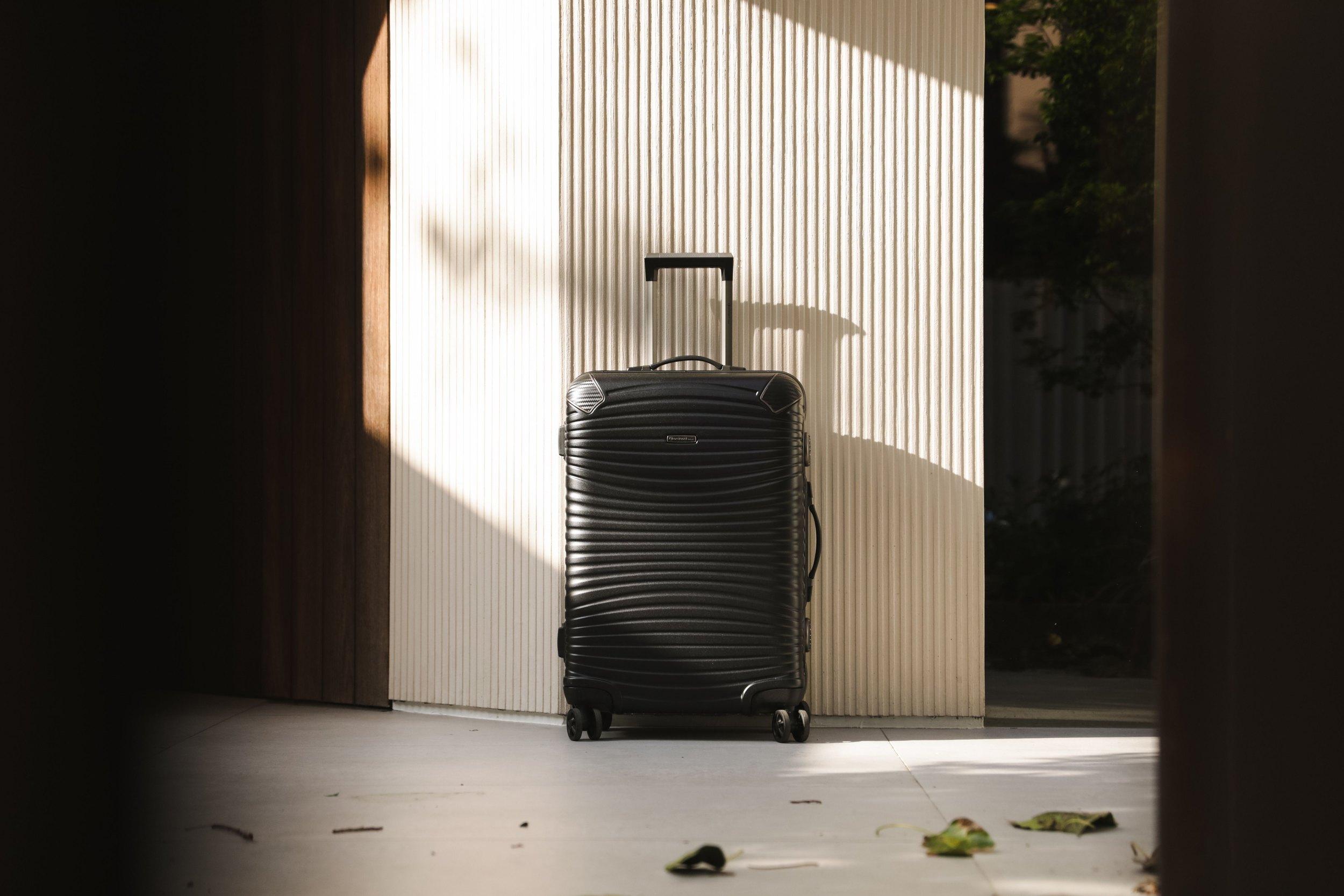
If the bag has wheels, they are the part you will use most. Four-wheeled spinners glide easily over smooth airport floors and can be pushed beside you, but they can roll away on a slope or a tram, and small wheels can struggle on rougher ground. Two wheels are generally sturdier on uneven surfaces and stay where you leave them, at the cost of tilting the bag and pulling its weight behind you.
Handles deserve more attention than they usually get. Check that the telescoping handle extends to a height that is comfortable for you, that it does not wobble when the bag is full, and that it locks firmly. Notice how much of the inside it occupies, since a handle channel can take space from the packing area. Check the carry handles on the top and side as well, since you will use them to lift the bag into a locker or up a flight of stairs.
Zips are another quiet point of failure. Look for ones that run smoothly and feel solid, and that are not forced to their limit when the bag is closed.
What goes inside
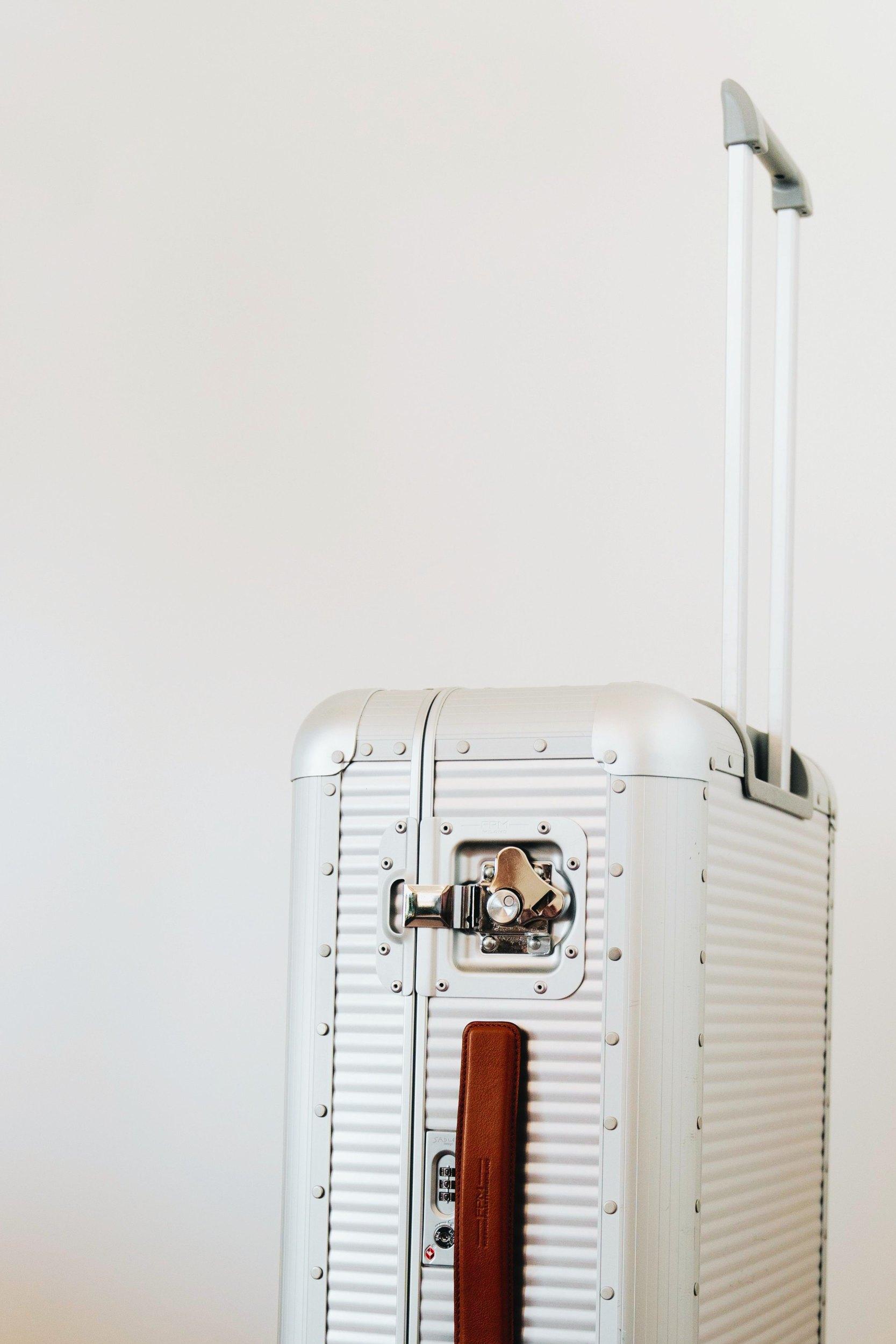
Many bags promise a great many compartments. The shape of the interior is usually more important than their number. A case that opens flat like a clamshell makes it easier to see everything at once. A top-loading bag can swallow more awkward items but makes it harder to reach what is at the bottom. A bag with a dedicated pocket for a laptop is useful only if you take one.
Think about what you want within reach during the journey: a passport, a boarding pass, a book, a phone charger. Liquid restrictions and screening procedures vary by airport, so check the current rules for your departure and connecting airports. An easily accessible pocket can still make it simpler to retrieve whatever you need to present at security. Packing cubes can help some people and irritate others, so they are worth trying with a bag you already own before deciding that you need them.
What it is worth paying for
A more expensive bag is not inherently a better one. What is worth paying for depends on how often you travel and how hard you are on luggage. The wheels, the handle and the zips are often the parts that wear first, so these are where better construction can matter. A modest bag with sound hardware can serve a person who travels a few times a year for a long time. A person who is on the road every month may reasonably want something built to withstand it.
Read the warranty properly. Find out what it covers and what it does not, since some exclude ordinary wear or damage caused by airlines. Ask whether replacement wheels or handles are available, and whether the maker repairs bags or simply replaces them. A bag that can be repaired is often a better companion than one that must be thrown away when a wheel fails.
Where you can, spend on the things you will notice every trip: weight, a handle that feels right, wheels that run smoothly and a shape that suits your packing. Skip features you will not use. A bag does not become more useful because it has more pockets.
A few checks before you buy
Measure the bag yourself, including the wheels and handle, and compare it with your airline's limit. Weigh it empty. Lift it, loaded if you can, and consider whether you could carry it up a flight of stairs without resentment. Extend the handle and stand beside it to see whether the height suits you. Open and close the zips. Look at the return policy, so that you can send it back if it turns out not to suit you in practice.
It is also worth thinking about colour and finish in a practical light. Very pale fabrics and glossy shells show marks quickly, and a bag that looks tired after two trips is less satisfying to use.
Matching the bag to the journey
A few simple pairings can help. For short trips by train or car, a soft carryall or a well-made weekend bag is often more pleasant than a wheeled case. For city breaks with a lot of walking over uneven ground, a backpack or a two-wheeled case may serve better than a spinner. For business travel, an upright case with a laptop pocket and an easily reached front compartment keeps things in order. For a longer trip with carry-on only, a lightweight clamshell with room to compress and reorganise is usually the most forgiving.
If you are unsure, begin with the journey you take most often and choose for that. A bag that suits the ordinary trip will serve you better than one bought for the exceptional one.
Where to look next
When you come to compare actual cabin bags, the useful details are the practical ones: the dimensions, including wheels and handles; the empty weight; how the handle and wheels are built; how the inside is arranged; and what the warranty and return conditions say. Set those beside your airline's limits and the way you travel, and the list tends to shorten itself. Browsing a selection of cabin bags is a sensible next step once you know what you are checking for, and the specifications deserve as much attention as the photographs.
The right bag is the one you stop noticing: it fits the locker, it moves easily, and it holds what you need. After that, the journey belongs to you.
Keep this one
Save it to Pinterest.
Share this story
The Twenty Acres Club
An archive of things worth noticing. Receive our private seasonal notes on the wardrobe, the house, travel and the small details that make a life its own.