
A Christmas Made by Hand
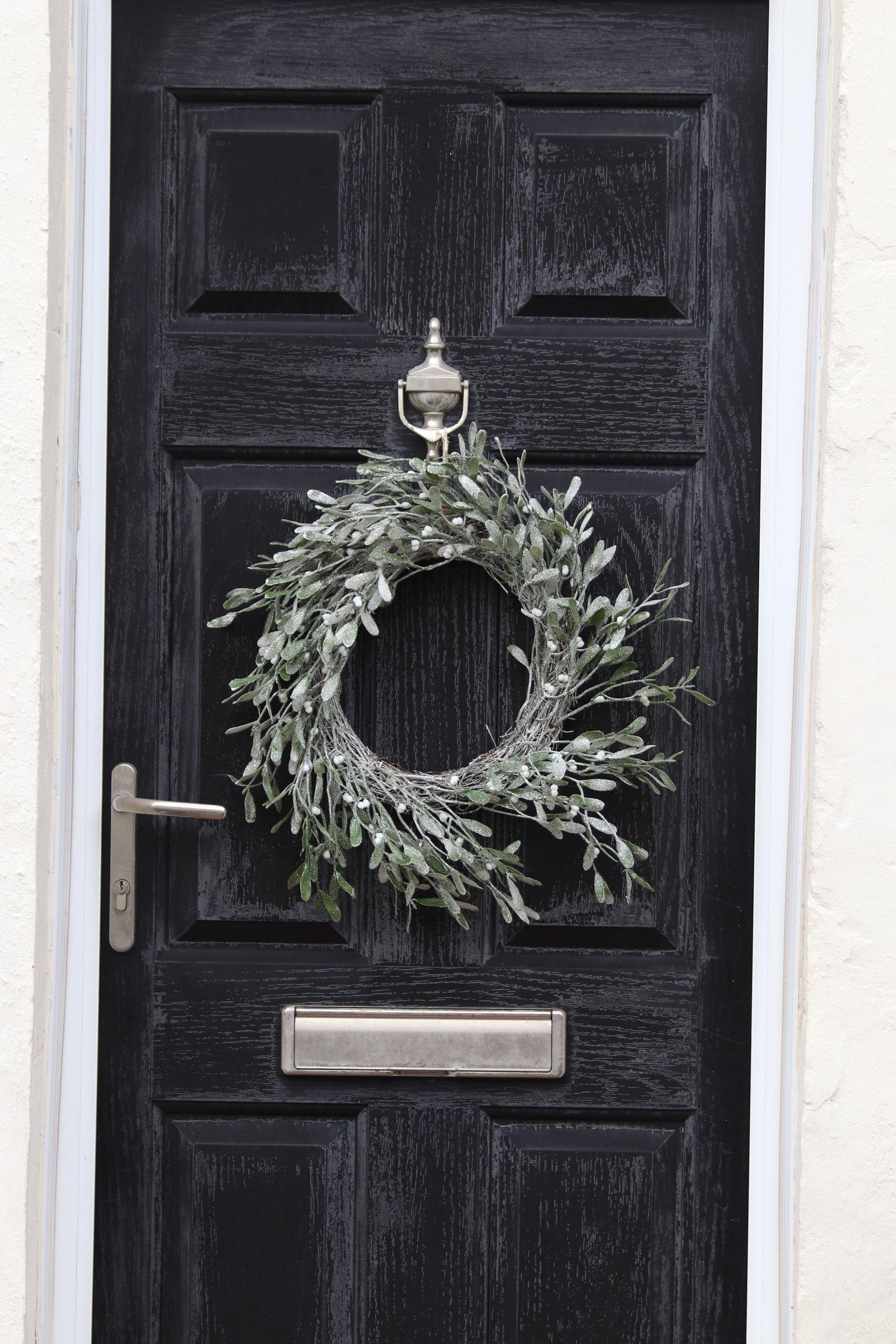
The wreath on the door, the paper around the gift, the orange on the windowsill: Christmas, a little at a time.
A house takes on Christmas gradually. Not all at once, on a single evening with a box from the cupboard, but in small arrivals: a branch brought in from the garden and left in a jug, the sharp sweetness of an orange peeled at the kitchen bench, a roll of paper and a length of ribbon waiting on the table for an afternoon that has not quite come yet. By the time the tree goes up, the season has already been in the house for a week.
There is a particular pleasure in making something rather than buying another thing to hang. A decoration that has been gathered, tied, dried or folded carries the hours it took. It is never quite symmetrical. It smells of something. Years later, it is the one you look for in the box.
This chapter is about that pleasure, and it is deliberately not a set of instructions. The people who write the best ones are better placed to teach you, and where it seemed worth doing we have pointed to them. What follows is the part that comes first: why you might want to.
The Christmas Wreath
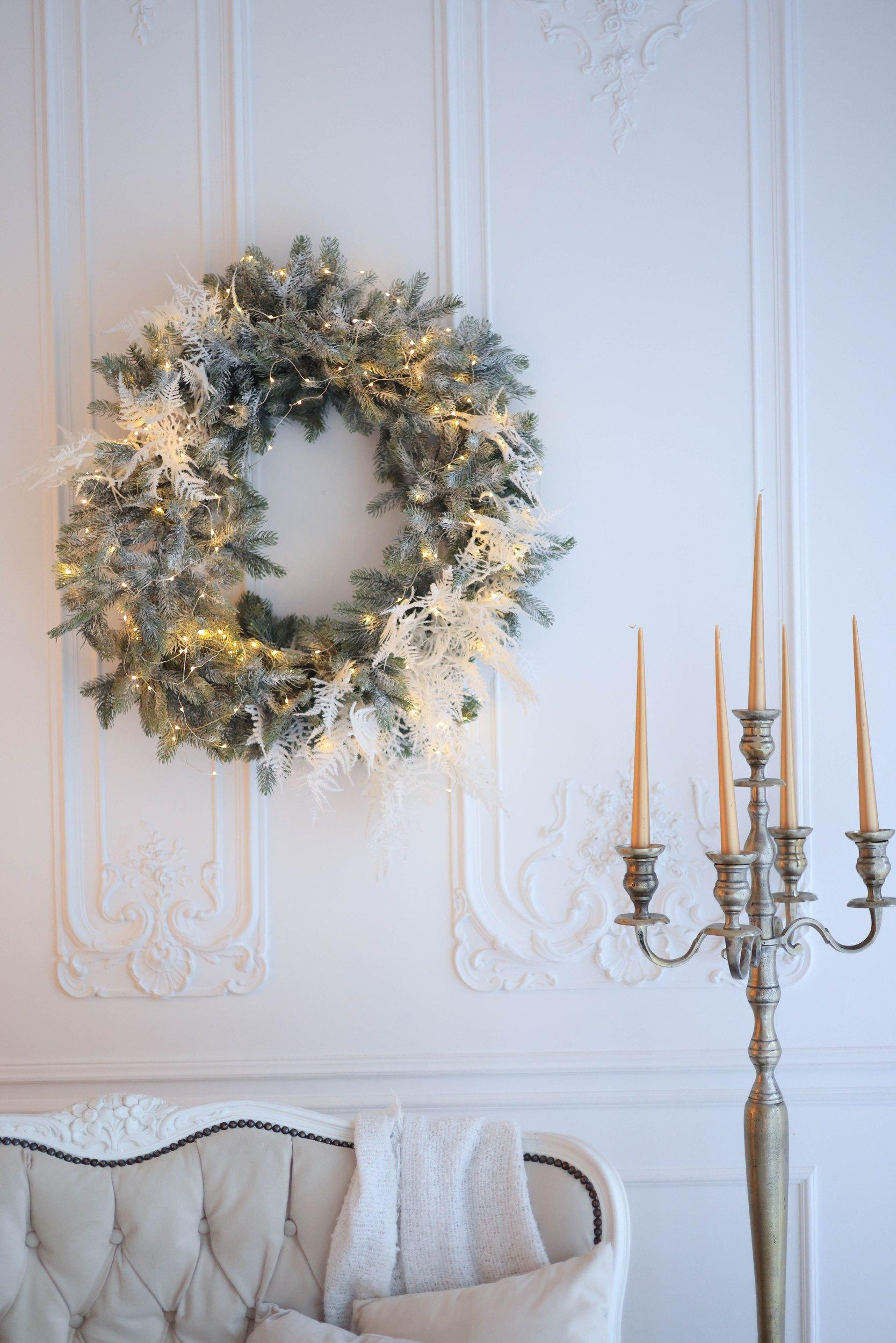
A wreath says Christmas before anyone has opened the door. Hung on wood or stone or glass, a ring of greenery tells the visitor that the house is ready for them, and that someone has taken trouble over the way in.
The best ones are not perfect. A made wreath has a slight lean, a bough that wanders out of the circle, a cluster of berries placed by eye. The greenery does the work. Fir, cypress, bay, ivy and juniper each have their own weight and colour, grey-green, blue-green, glossy and dark, and it is the mixture that makes a ring of foliage look gathered rather than manufactured. A little ribbon, tied loosely and left to hang, is all the finish it needs.
Fresh greenery has its own character. It smells of where it came from, it softens and darkens over the weeks, and in the end it has to come down. That is part of the point. Where December is warm, as it is across much of Australia, fresh boughs dry sooner and ask for more care, and foliage that dries well, such as eucalyptus, olive or rosemary, comes into its own.
For the making. Marie Viljoen's wreath of foraged greens and berries, on Gardenista (opens in a new tab), takes you from gathering to attaching in four clear steps, and is a good lesson in not minding irregularity. The plants she names grow in North America, so use what grows near you.
The Art of Wrapping
Before a gift is opened, it is looked at. The wrapping is the first thing the person across the table understands about it: that it was considered, that someone took the time.
Good wrapping is mostly restraint. A heavy, plain paper, white or kraft or the colour of oatmeal, takes a crisp fold and does not compete with what is inside. Ribbon in linen, cotton or velvet, rather than the shiny kind, can be saved and used again. A sprig of rosemary or a bay leaf tucked under the knot, a pressed flower, a seal in wax: botanical details cost almost nothing and say a great deal.
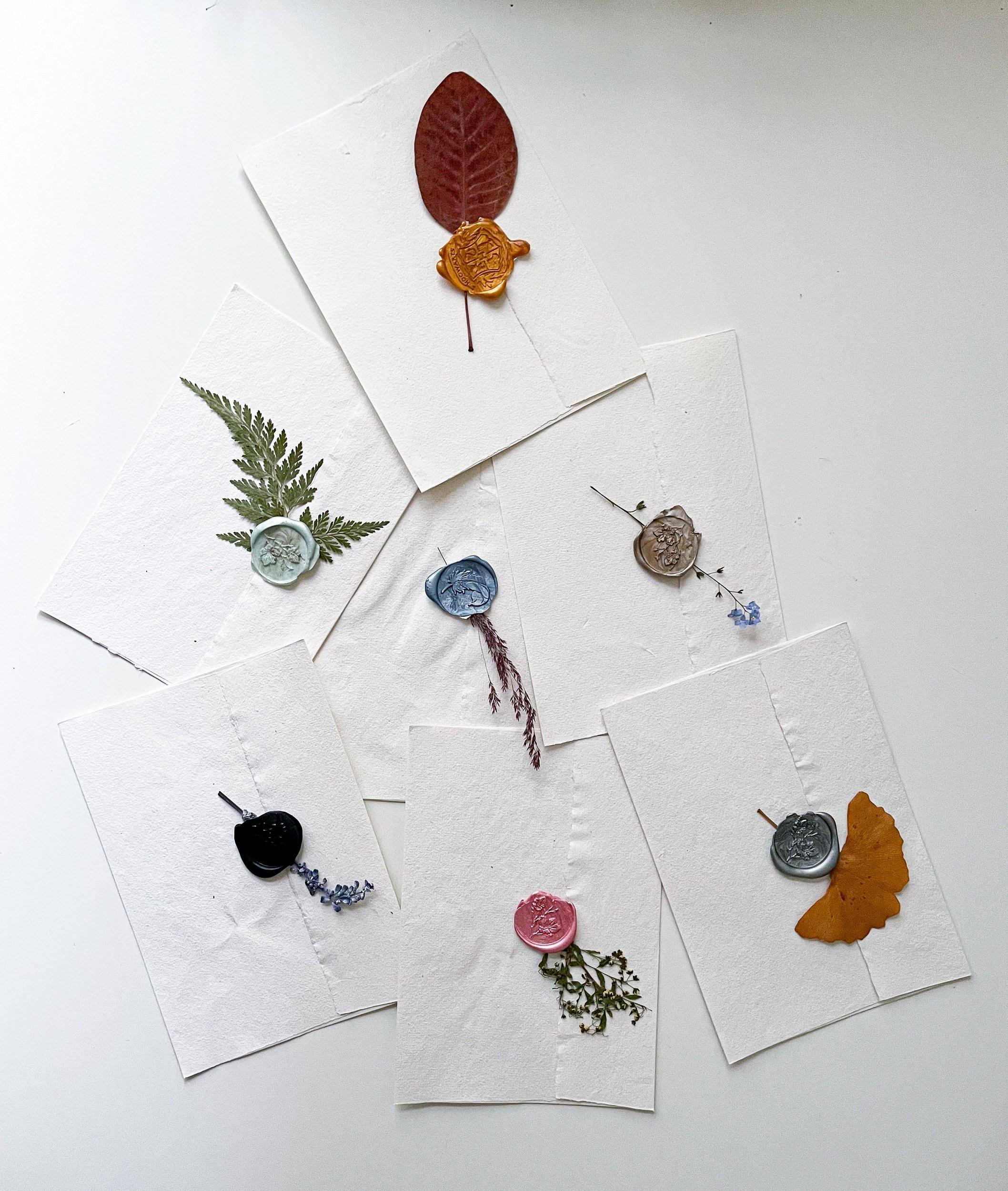
The tag matters more than it should. A name in your own handwriting, on a card cut to size, turns a parcel into a message. Fabric tied in the manner of a furoshiki sends the wrapping on to a second life, and becomes part of the present.
Explore the technique. Polly Glass of Wrap Magazine, in Mr Porter's Journal (opens in a new tab), takes the measuring, folding and corners step by step, with an eye for what makes a parcel look tailored. It is a brisk guide, written for a menswear reader, but the technique is the same for any gift.
Ornaments to Keep
Some decorations are for a season. Others are for a lifetime. The difference is rarely the object. It is the story attached to it: the year it was made, the person who made it, the branch it always goes on.
Oranges are the most familiar example, and the humblest. Sliced thin and dried slowly, they turn translucent and amber, and catch the light on a tree or a windowsill like small panes of stained glass.
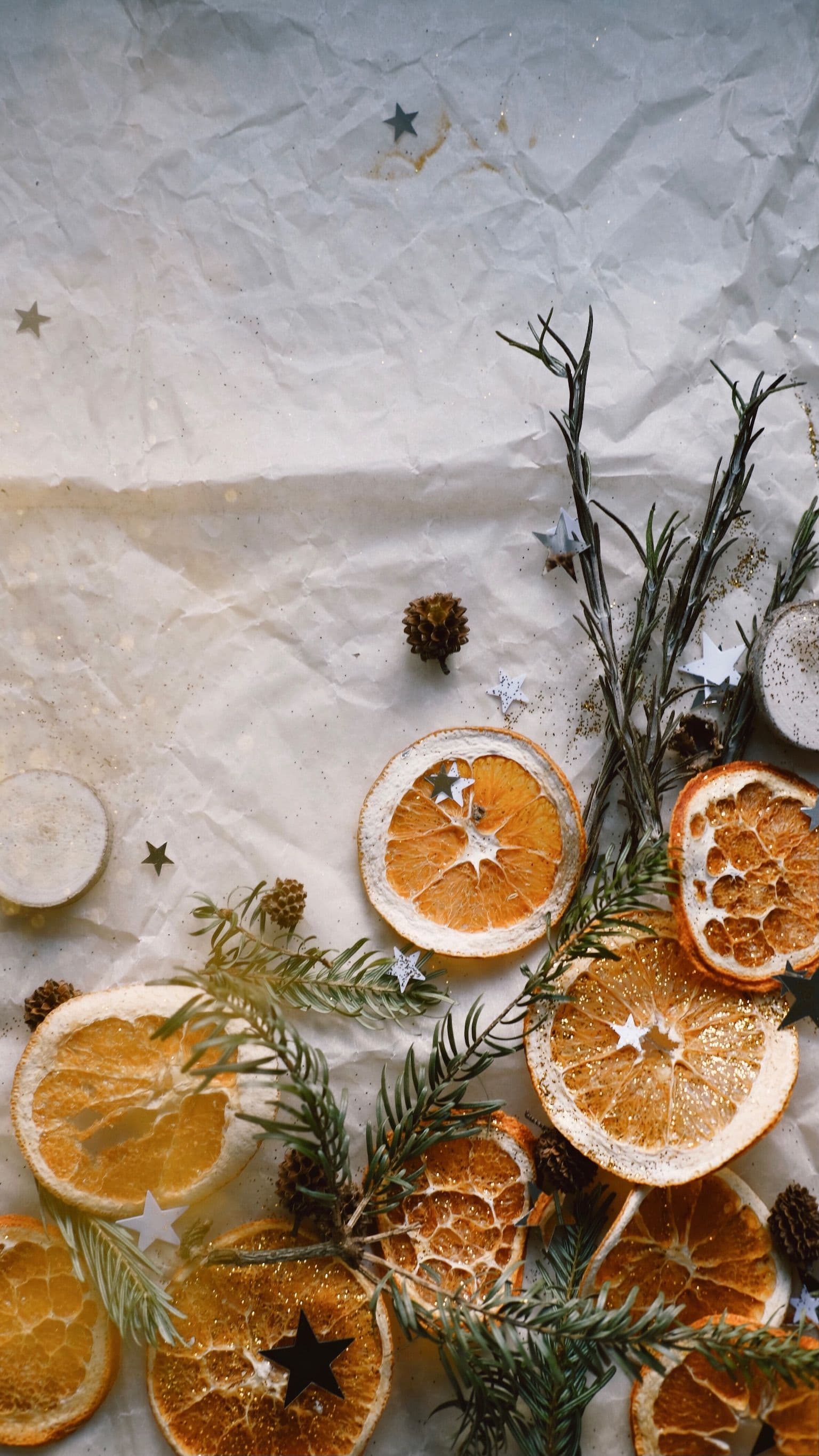
Stud a whole orange with cloves and you have a pomander, a word that comes from the French pomme d'ambre, "apple of amber". The first pomanders were not fruit at all but scented balls, carried in the medieval period to freshen the air and, people believed, to keep illness away. The clove-studded orange of Christmas is a later and simpler descendant, kept for the warmth of the scent it gives a room.
None of this is complicated, which is the charm of it. A string of dried slices, a ribbon, a bowl of pomanders on a table: they cost almost nothing, and well dried they often last long enough to be brought out again. That is how a decoration becomes a tradition. It comes back.
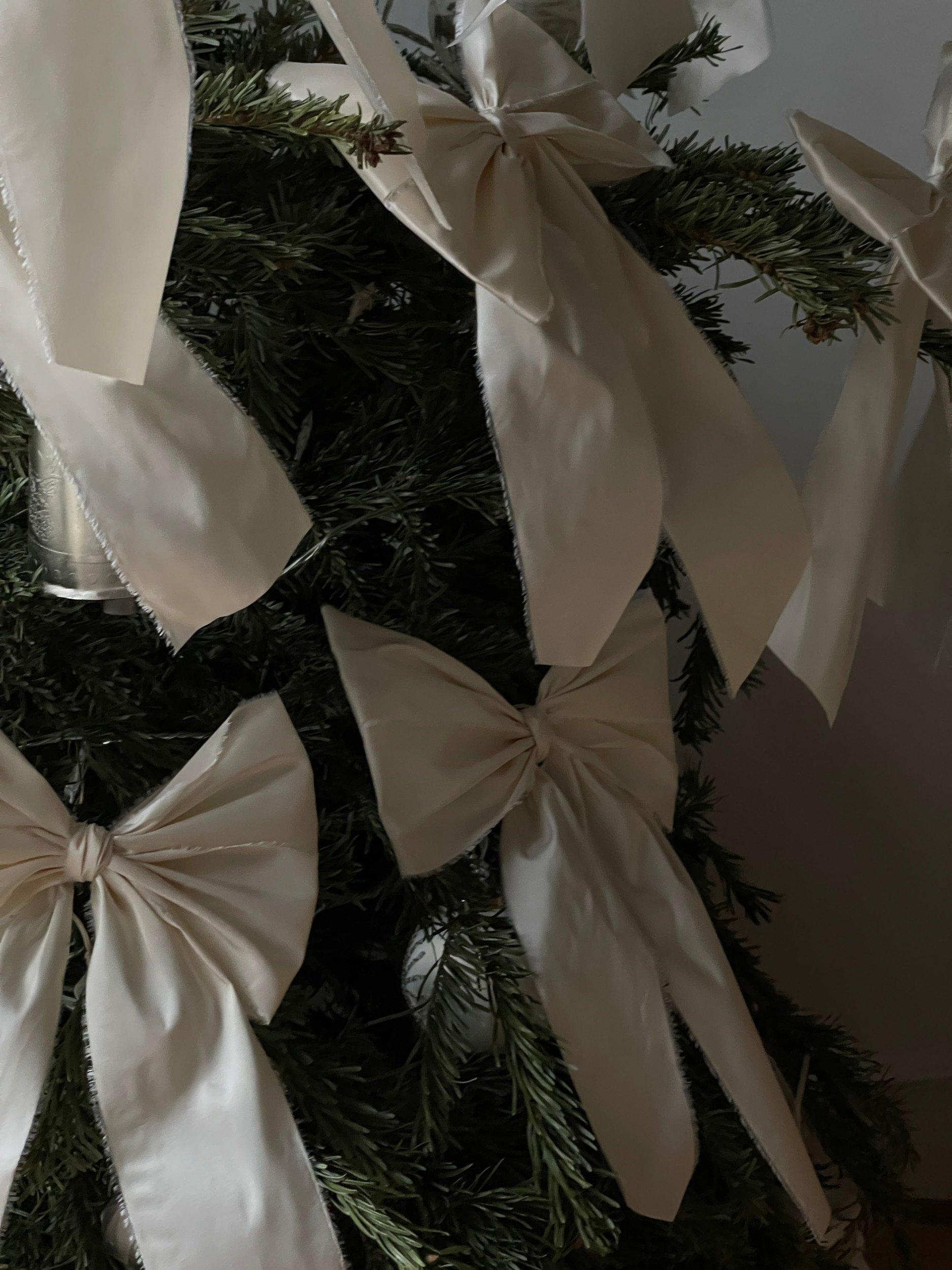
For the making. The Brooklyn Botanic Garden's guide to dried citrus and clove pomanders (opens in a new tab) covers both, with clear photographs. It is written with families in mind, and works just as well for adults.
A Christmas Table, Made Personal
The table is where Christmas is actually spent, and it asks for very little. A run of greenery laid straight down the middle of the cloth, cut from the garden or a neighbour's hedge. White candles in plain holders. A linen napkin tied with a length of ribbon, a sprig tucked into the knot.
Place cards are the smallest of these and perhaps the best. A folded card, a name in ink, a leaf tied on with thread: it tells each person that they were expected, and where they belong.
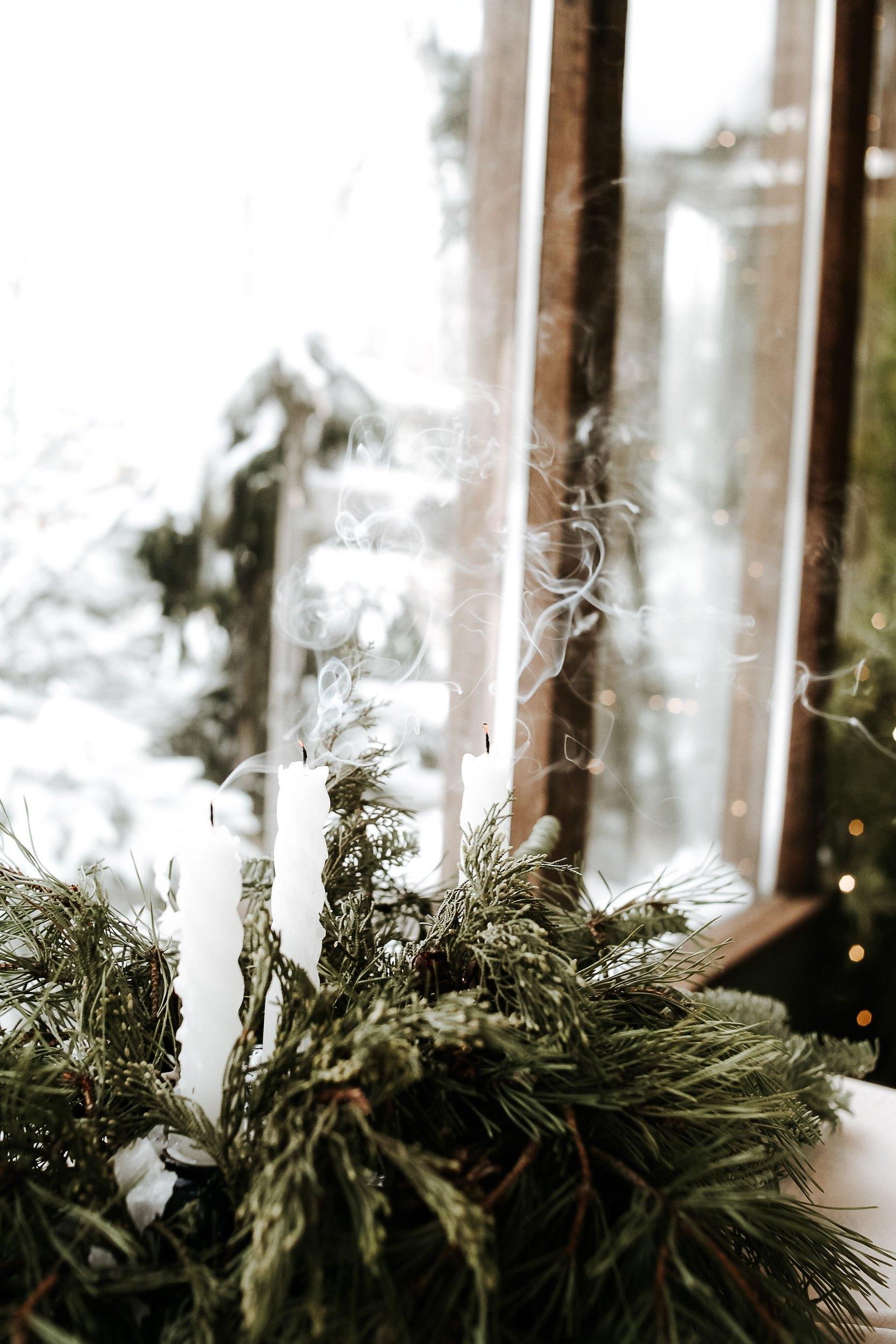
Nothing here needs a tutorial. It needs a few branches, a pair of scissors and ten unhurried minutes. The effect is out of all proportion to the effort, because what people notice about a table is not the cost of it but the care. Handmade things have a way of slowing a meal down. They give the guests something to look at, to touch, to ask about, and the conversation begins before anyone has sat down.
The Things We Keep
Most households have one: a decoration that is not beautiful by any measure, but which could not possibly be left out. A lopsided star. A ribbon gone soft with handling. An orange slice, long dried to the colour of tea, that somebody was told not to throw away.
These are the things that make a Christmas feel like yours. Not the purchase, but the making, and then the keeping: the wreath that has hung on the same door, the paper folded the way it always is, the same few things brought out of the same box at the same point in December.
In the end, what comes out of the box each year is not decoration at all. It is the Decembers that came before.
A little more inspiration
A collection of ideas for the things we make, keep and bring out each Christmas.
View the board on Pinterest: A Christmas Made by Hand, on Pinterest (opens in a new tab)
Keep this one
Save it to Pinterest.
Share this story
The Twenty Acres Club
An archive of things worth noticing. Receive our private seasonal notes on the wardrobe, the house, travel and the small details that make a life its own.